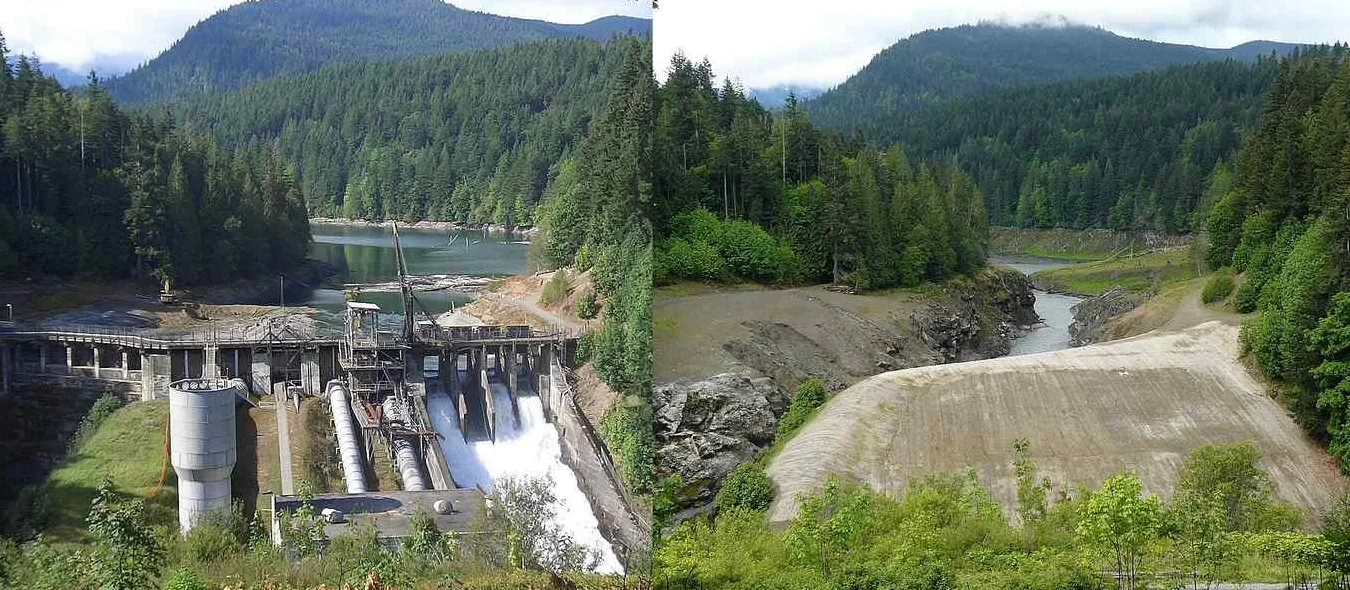
Two decades after a historic Washington state dam was slated for demolition, a vibrant 1,100-acre ecosystem along the Lower Elwha River is making a remarkable recovery. For more than a century, this fertile landscape lay dormant and muddy beneath the dam's engorged reservoir. Now, 171 years after the land originally left their care, and 114 years after it was first flooded, the Lower Elwha Klallam Tribe is on the verge of welcoming this sacred territory back home.
A Historic Return of Ancestral Lands
The large land parcel, situated along the Elwha River between the Highway 101 and Route 112 bridges, was secured within a federal bill that successfully passed through both houses of Congress and now awaits executive signature. National Parks Service personnel have already conducted collaborative fieldwork with the Klallam community, ensuring a seamless transition for the parcel, which borders the majestic Olympic National Park.
This landmark transfer effectively begins to heal the wounds of the 1855 Point No Point Treaty, which saw the tribe cede most of their historically inhabited territory in exchange for guarantees of education, healthcare, and vital hunting and fishing rights. The construction of the dam in 1910, which severely disrupted their traditional way of life and flooded their homeland, was never a part of that agreement.
Restoring Ecosystems and Cultural Heritage
The recovered acreage holds profound spiritual and cultural significance for the Klallam people. It encompasses historic villages and the hallowed spot where elders recount that their tribe was blessed into existence by the Creator. Furthermore, the thriving habitat now supports a rich diversity of wildlife, including:
- Majestic kingfishers and diving dippers
- Mountain lions and black bears
- Roaming possums and local wildlife
- Thriving populations of chinook salmon and trout
When the Elwha Dam blocked the river, it severed the Klallam people from their deep-rooted identity as stewards of the water's bounty. “Our land isn’t just land. The river isn’t just the river. The salmon aren’t just salmon,” reflected Lower Elwha Klallam Tribe Chair Melissa Gilman. “This is part of who we are as people.”
A Bright Future for the Elwha River
With the glacial meltwaters of the Olympic Cascades once again flowing freely, the river has transformed into a vital spawning habitat. Tribal members are currently celebrating their fourth consecutive year of restored fishing rights along the revitalized waterway. Just as salmon quickly returned to the Klamath River following dam removals, the Elwha ecosystem is flourishing, welcoming back both its iconic fish and its original people.
“That last missing piece was the Klallams, the people of the land,” shared tribe member Vanessa Castle. “And now that can happen in a way that feels fulfilling and respectful, and that we have a space that we can call home again.”