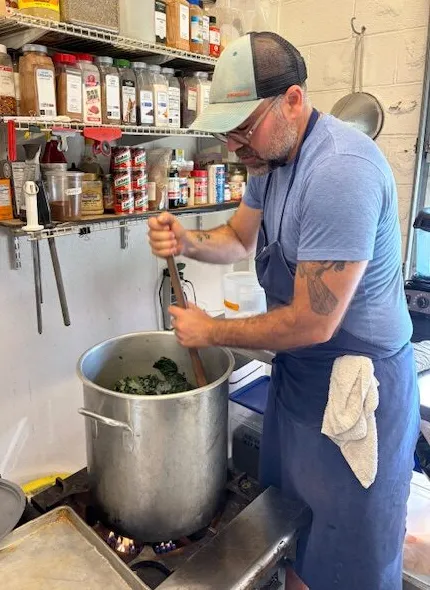
In a bustling community kitchen, a dedicated chef turns a surplus pan of pork loins and fresh crates of local kale into a flavorful, nutritious feast. By pairing salvaged organic produce with vibrant seasonings like gochujang and fresh citrus, what might have drifted toward the waste stream becomes a wholesome, restaurant-quality meal. This creative culinary resourcefulness lies at the heart of an inspiring movement dedicated to ensuring excess food reaches neighborhood tables.
Revolutionizing Food Rescue Through Culinary Innovation
Gleaning—the ancient practice of gathering leftover crops—has evolved into a sophisticated, chef-led initiative. Rather than distributing raw surplus ingredients that families may lack the time or resources to cook, skilled culinary professionals transform freshly harvested vegetables and high-quality proteins into delicious, ready-to-eat meals. These prepped dishes are promptly delivered directly to neighborhood pantries, local schools, and community centers.
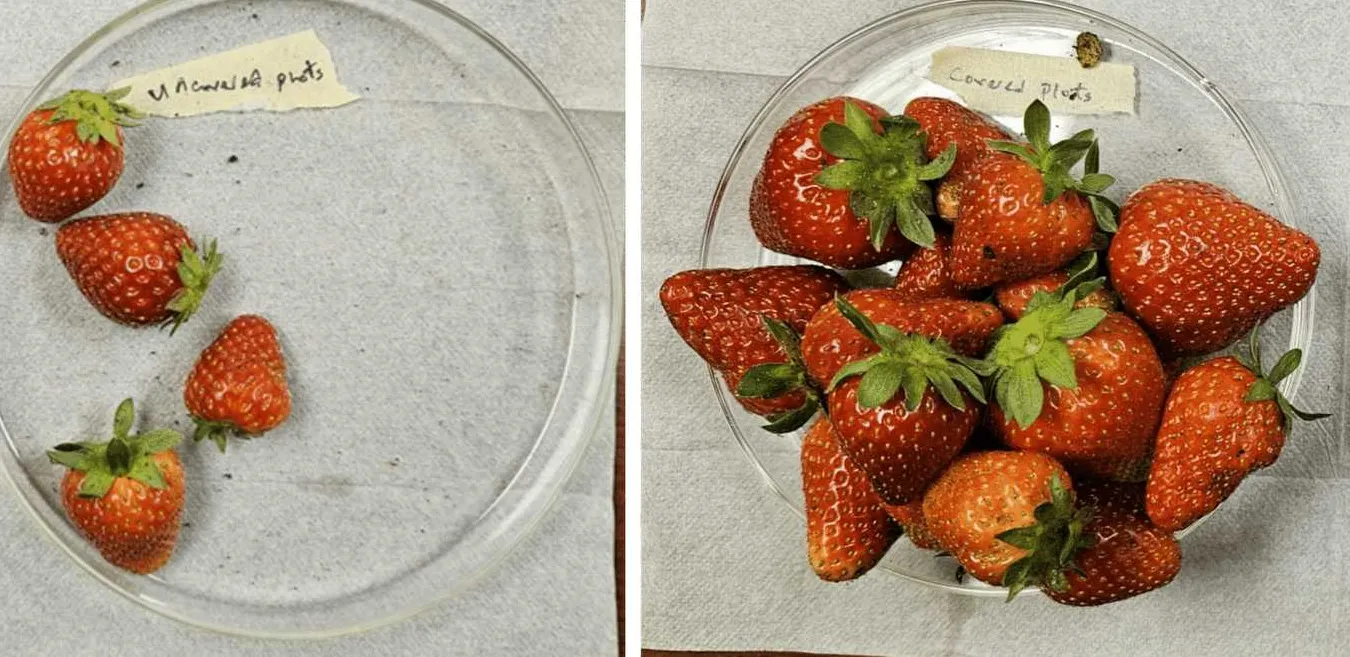
Much of the rescued food is exceptionally fresh. Regional organic farms frequently donate abundant produce directly from weekly markets to avoid surplus storage hurdles. Paired with quality pantry staples and proteins, these vibrant ingredients are turned around quickly, ensuring recipient households receive high-quality, dignified nutrition.
Building Resilience Through Collaborative Networks
To address rising food costs and growing community demand, local food equity organizations have united to streamline distribution and maximize impact. By forming cooperative networks, community leaders share infrastructure, labor, and procurement strategies to build a more resilient local food system.
- Farm-to-Food Assistance Programs: Direct partnerships with local regenerative farms support small-scale growers financially while supplying pantries with fresh, organic produce.
- Shared Infrastructure and Logistics: Regional coalitions share warehouse space, refrigeration, transport, and seasonal staff to prevent food loss and simplify distribution.
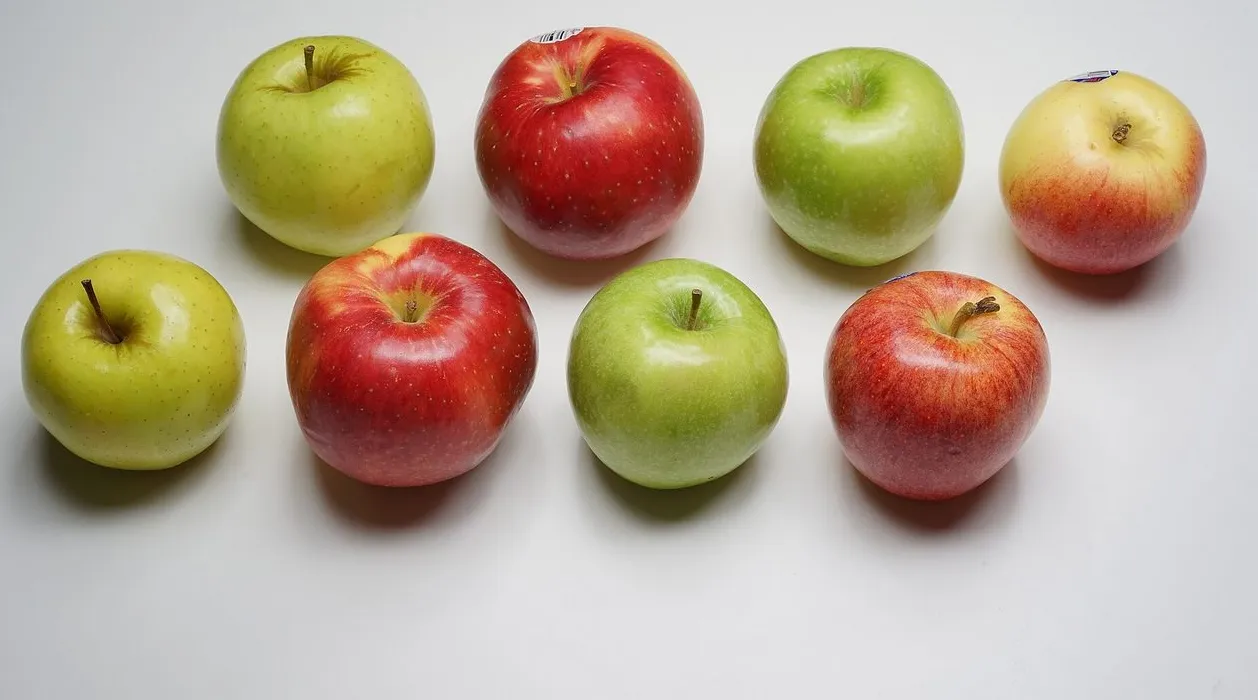
- Urban Fruit Preservation: Neighborhood harvesting initiatives gather surplus urban fruit—such as apples, figs, and grapes—turning extra yields into shelf-stable jams, juices, and purees.
Volunteer preservation efforts highlight how community engagement extends the life of seasonal harvests. By dehydrating, canning, and processing surplus produce, teams ensure that excess yields provide year-round nourishment rather than going to waste.
Celebrating Culinary Artistry and Zero-Waste Dining
The potential of rescued ingredients was recently highlighted at a collaborative community dinner, where prominent regional chefs were challenged to create showcase dishes using mostly gleaned foods. Culinary masters crafted innovative offerings—ranging from rich ratatouille tartines and spiced seafood to traditional roasted corn ribs with pumpkin seed dip.
By putting human dignity, flavor, and environmental stewardship at the forefront of food relief, these grassroots initiatives demonstrate that high-quality food belongs to everyone. Through creativity, strategic cooperation, and culinary craft, community advocates are turning potential waste into a sustainable recipe for hope and nourishment.
Source: Reasons to be Cheerful