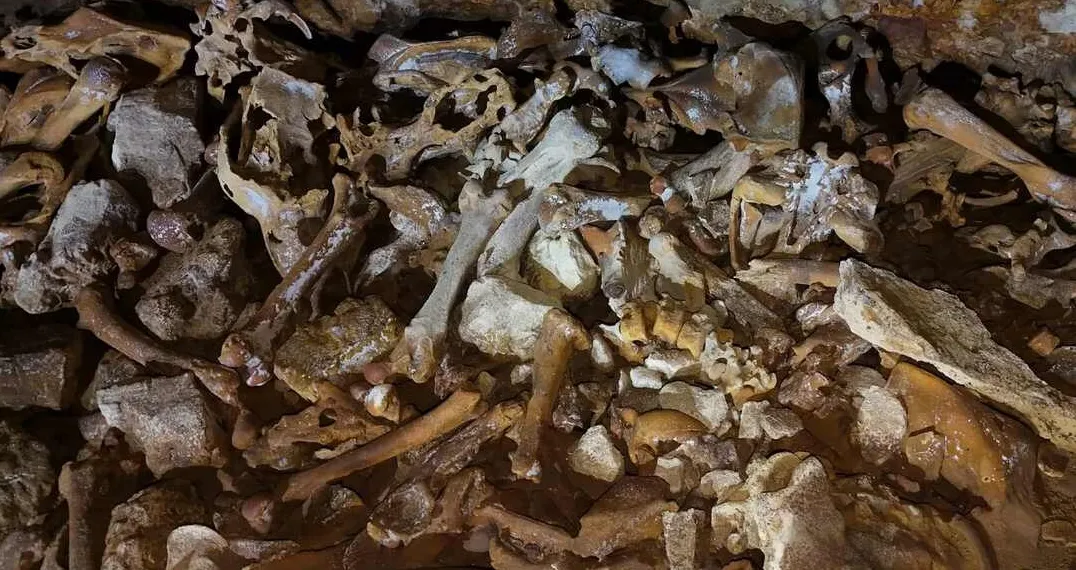
In a breathtaking find that has electrified the scientific community, local authorities have announced the discovery of a high-altitude Alpine cave containing the remarkably preserved skeletons of over 100 extinct cave bears. Kept strictly confidential following its initial discovery to protect the site from looting, this incredible assemblage of thousands of bones promises to unlock deep secrets about Earth's ancient past once detailed research begins.
A Hidden Treasure High Above the Dolomites
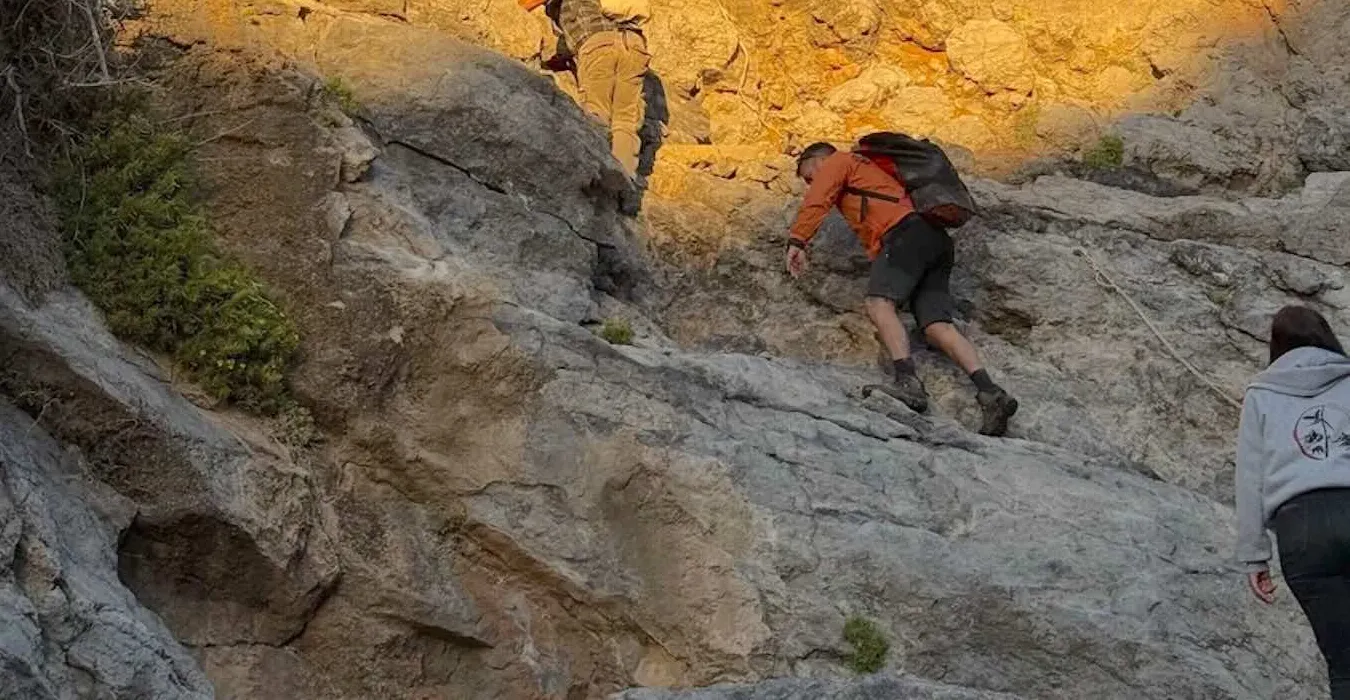
Discovered in July by mountain guide Kurt Walde, the pristine cave sits at an astonishing 9,100 feet above sea level on the side of a near-vertical cliff in the Autonomous Province of South Tyrol, northern Italy. Located in the municipality of Enneberg, the site rests just above the famous Conturines cave, which previously held the record as the highest altitude where cave bear remains had ever been recovered.
Mindful of past tragedies—where similar paleontological sites were unfortunately looted before researchers could study them—local officials moved swiftly. Christian Terzer, Director of the Archeological Heritage Office, spearheaded an ambitious logistical effort to secure the treacherous vertical rock face.
- Swift Protection: Workers successfully installed a heavy-duty metal gate and protective tarp over the entrance.
- Winter Safeguard: With harsh winter conditions closing in, the invaluable site is securely locked up until the spring thaw.
- Global Collaboration: An interdisciplinary team of international scientists is slated to begin meticulous excavations next June.
Unlocking Secrets of the Ice Age
Starting next summer, specialists spanning multiple disciplines—including paleontologists, climate researchers, paleobotanists, speleologists, and ancient DNA experts—will embark on a comprehensive research project. Their findings will paint a much clearer picture of how these magnificent creatures lived, thrived, and ultimately vanished.
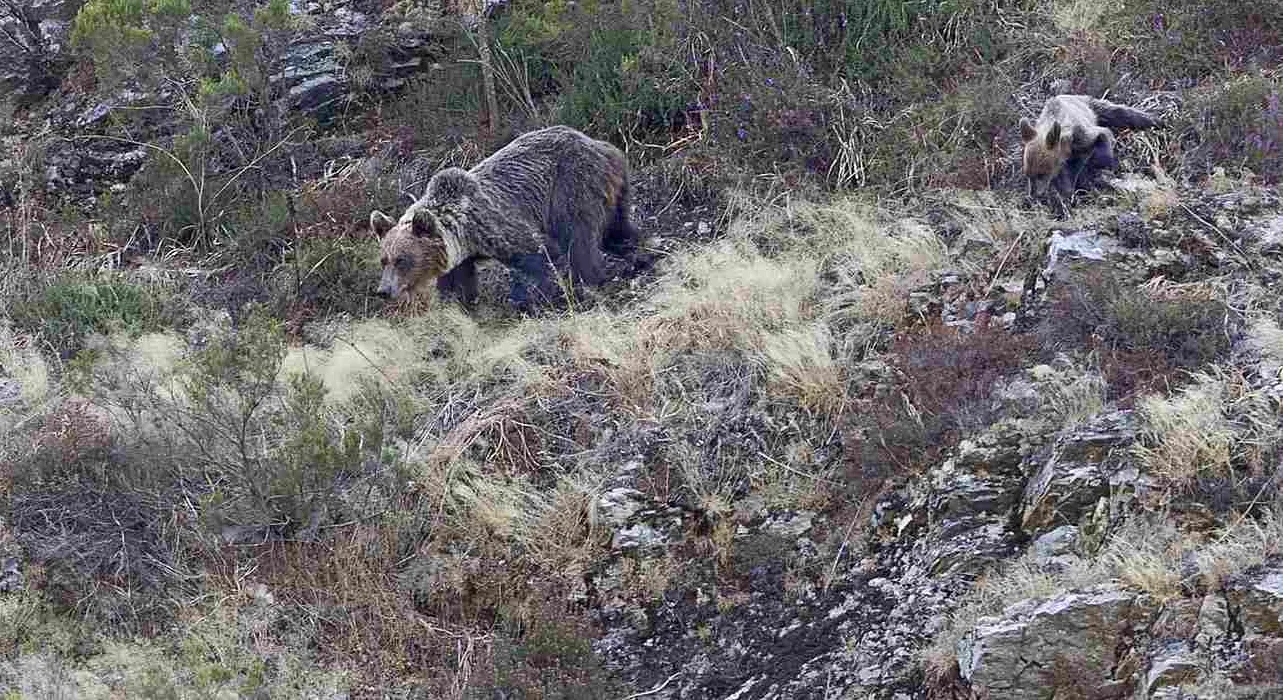
Scientists are eager to determine whether the cave played host to Ursus spelaeus or Ursus spelaeus ladinicus, two prominent species of giant bears that roamed Western Europe during the Pleistocene epoch. These colossal animals were significantly larger than modern brown bears, frequently reaching lengths of over 11 feet. Interestingly, despite their immense size, they subsisted almost entirely on plant material.
Core Takeaways From the Discovery
- Extraordinary Preservation: Over 100 individual cave bear skeletons remain resting safely inside the high-altitude cavern.
- Climate and Extinction Clues: Researchers hope to learn more about how shifting plant availability during the Last Glacial Maximum contributed to the eventual extinction of the species.
- Preserving Knowledge: Prompt government intervention ensures that this untouched time capsule will yield maximum historical value for generations to come.
As the mountain snows settle over the Dolomites for the winter, the ancient bears rest undisturbed once more, guarding secrets that will soon illuminate a fascinating chapter of natural history.


Source: Good News Network