Across the United States, roughly 3.5 million people between the ages of 18 and 25 experience homelessness each year, facing heightened risks of trauma, exploitation, and poor health. Amid soaring rents and scarce vacancies, a growing network of youth‑led housing projects is stepping in to provide affordable, supportive environments for their peers.
Student‑Run Housing Solutions
Liam, a first‑year student at a California university, once endured a three‑hour daily commute from his family home because renting locally was out of reach. When family conflict left him without a place to stay, he discovered Aggie House, a collection of low‑cost apartments created and managed by fellow students. For nine months he lived alongside roommates who were also navigating housing insecurity, finding stability in a space designed specifically for students.
“I didn’t have anywhere to go,” Liam recalls. “It wasn’t like anybody was supporting me, and the money that I did have was very little.”
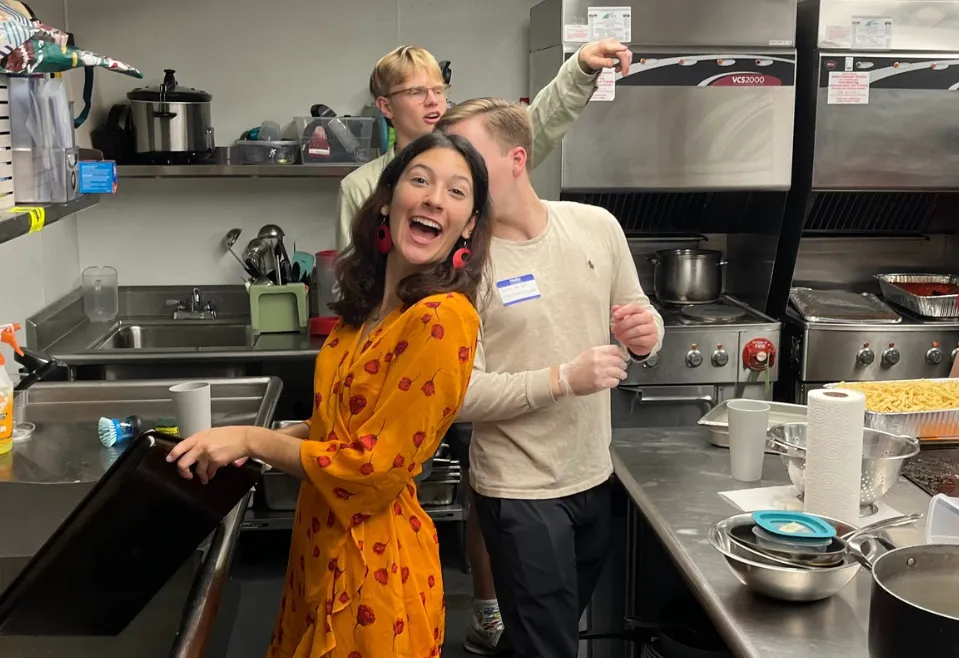
Aggie House operates on a model that blends affordability with community. Residents pay $200–$300 per month—about 90 % less than typical local rents—and rent gradually increases to encourage transition to independent housing. The house is staffed by undergraduate volunteers who rotate evening shifts, prepare communal meals, and foster connections through casual conversation about pop culture, academics, and life goals.
Hayven Angelique Pfister, a fourth‑year biology student and co‑president of Aggie House, explains why a student‑focused shelter matters: “In general shelters, it can be harder for people to understand what a student is going through. Because all the residents and volunteers share the experience of being students, it’s easier and more comfortable.”
Impact on Young Adults
National experts emphasize that early intervention can prevent compounded trauma. Darla Bardine, executive director of the National Network for Youth, notes, “The earlier you can identify a young person experiencing homelessness and get them into help, the more you can prevent further trauma.” Peer‑to‑peer outreach is essential—young people know where their friends gather and can build trust more readily than distant service providers.
Beyond California, the Y2Y shelter in Cambridge, Massachusetts, illustrates another successful youth‑led model. Founded by two Harvard students in 2015, Y2Y offers short‑term housing for up to 30 days to individuals aged 18–24, many of whom are LGBTQ+ youth or recent foster‑care alumni. Volunteers act as case managers, helping guests navigate housing programs, secure employment, and connect with health services.
Caleb Oh, Y2Y’s administrative director, describes the shelter’s ethos: “We are more facilitators than anything. We put our guests first and let them put themselves first.” Weekly advisory meetings give residents a voice, while board‑game nights and shared meals create a sense of normalcy often missing from traditional shelters.
Both Aggie House and Y2Y face common challenges: limited capacity, seasonal operation tied to student availability, and the need for volunteers to balance academic responsibilities with shelter duties. Yet their youth‑led perspective offers a distinct advantage—volunteers who have recently navigated the same systems can offer relatable guidance and rapid problem‑solving.
Liam’s experience after moving into Aggie House exemplifies this benefit. A student case manager helped him understand financial aid, enroll in health insurance, secure a part‑time job, and ultimately find a permanent apartment with roommates. Within a month, he transitioned from uncertainty to stability, crediting peer support as the catalyst for his success.
Core Takeaways
- Peer‑led shelters fill a critical gap for young adults who fall through traditional safety nets.
- Affordability combined with community—low rent, shared meals, and volunteer mentorship—creates a nurturing environment.
- Early, youth‑focused intervention can reduce long‑term trauma and improve outcomes such as employment and housing stability.
- Volunteer capacity is limited, so scaling these models requires broader institutional support and sustainable funding.