Across the vast, arid landscapes of north-west Namibia, a remarkable conservation success story is unfolding. Community rangers are combining centuries-old tracking skills with modern digital tools to protect livestock, support local farmers, and safeguard a recovering population of majestic desert lions. This harmonious blend of heritage and technology is proving that humans and wildlife can successfully share the same land.
Blending Traditional Tracking With Modern Conservation Technology
The Lion Rangers programme, operating across 11 conservancies, was created to address the growing tensions brought on by changing weather patterns. As wild prey numbers fluctuate, big cats occasionally venture toward farmland in search of food. To combat human-wildlife conflict before it starts, rangers now carry smartphones loaded with the Spatial Monitoring and Reporting Tool (SMART). This intuitive software allows patrollers to log observations, track movements, and share vital updates in real time.
- Real-Time Alerts: GPS-collared lions and geo-fencing technology send instant updates to help rapid response teams guide predators away from vulnerable livestock.
- Deep-Rooted Expertise: Digital tools are always paired with ancestral tracking knowledge, ensuring that boots-on-the-ground intuition guides every decision.
- Data-Driven Success: Every kilometre walked is time-stamped and geo-tagged, providing transparent evidence of hard work to coordinators, government ministries, and supporters alike.
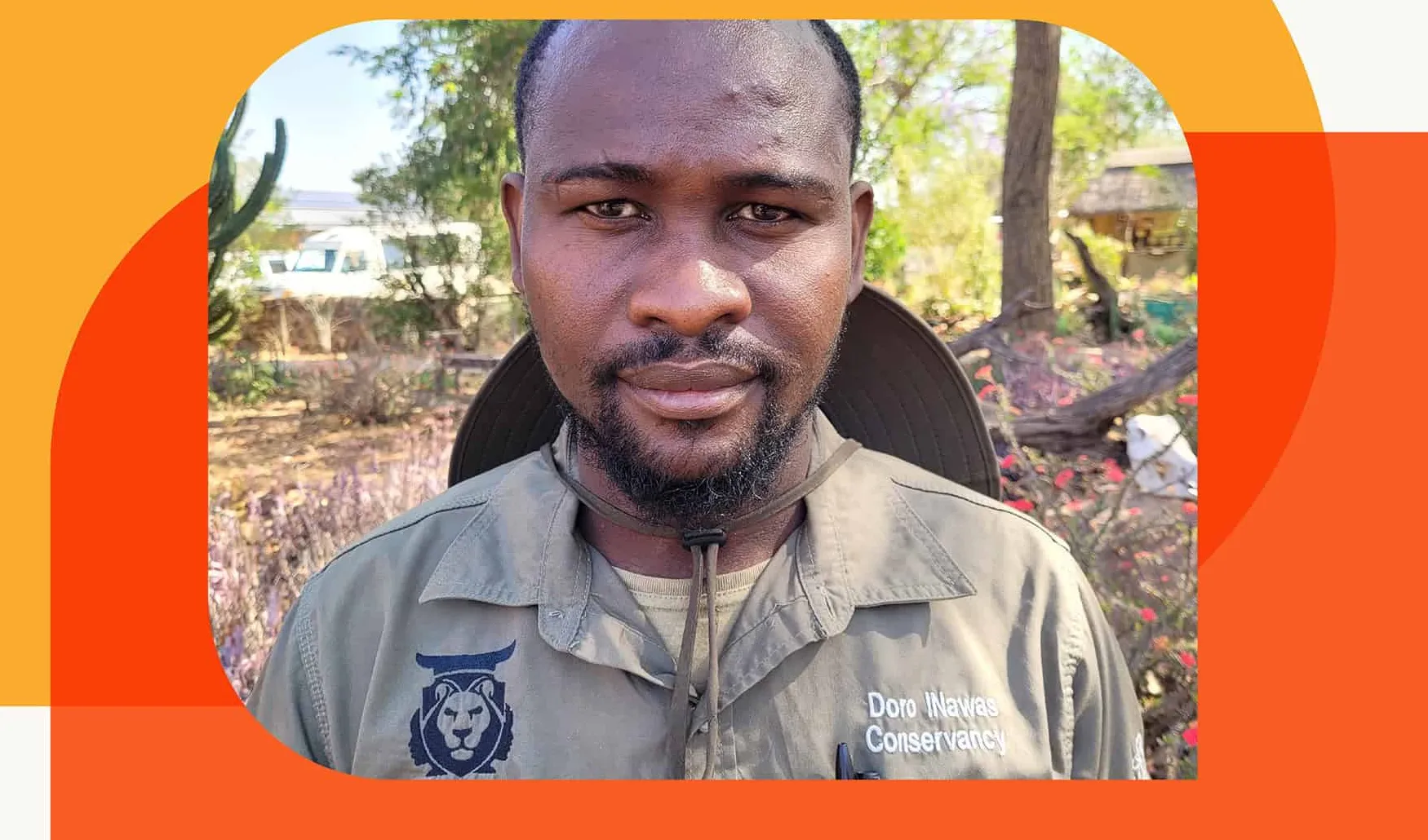
Patrolling up to 40 kilometres a day on foot, these dedicated community guardians monitor lion movements, check for signs of injury, and maintain predator-proof livestock enclosures. Their meticulous data collection has not only improved response times but also fostered a profound sense of pride and friendly rivalry among the rangers, who are honoured annually for their extraordinary efforts.
Fostering Community Coexistence Across Africa
The dedication of these local conservationists is yielding tangible results. In several conservancies, illegal lion killings have been completely eliminated, and the desert lion population has stabilized to around 60 individuals. By placing communities at the heart of conservation rather than treating them as outsiders, the initiative ensures that local people directly benefit from shared stewardship of the land.
- Empowered Pastoralists: Direct SMS alerts and early warning towers give farmers the power to protect their livelihoods proactively.
- Grassroots Leadership: Many rangers are farmers themselves, deeply invested in finding balanced solutions that honour both agricultural needs and wildlife preservation.
- Cross-Continental Inspiration: Similar technology-driven, community-focused projects are flourishing across Africa, from drone-equipped elephant monitors in Kenya to acoustic chimpanzee tracking in Cameroon.
Ultimately, the resilience of the Lion Rangers programme lies in the unwavering commitment of people like Benjamin Kordom, a field coordinator and farmer who understands both sides of the challenge. Despite the hardships of drought and occasional predator encounters, the prevailing sentiment among local communities is one of hopeful resilience. By embracing both modern innovation and ancient wisdom, these inspiring communities are ensuring that the iconic desert lions will roam the Namibian plains for generations to come.
Source: Positive News