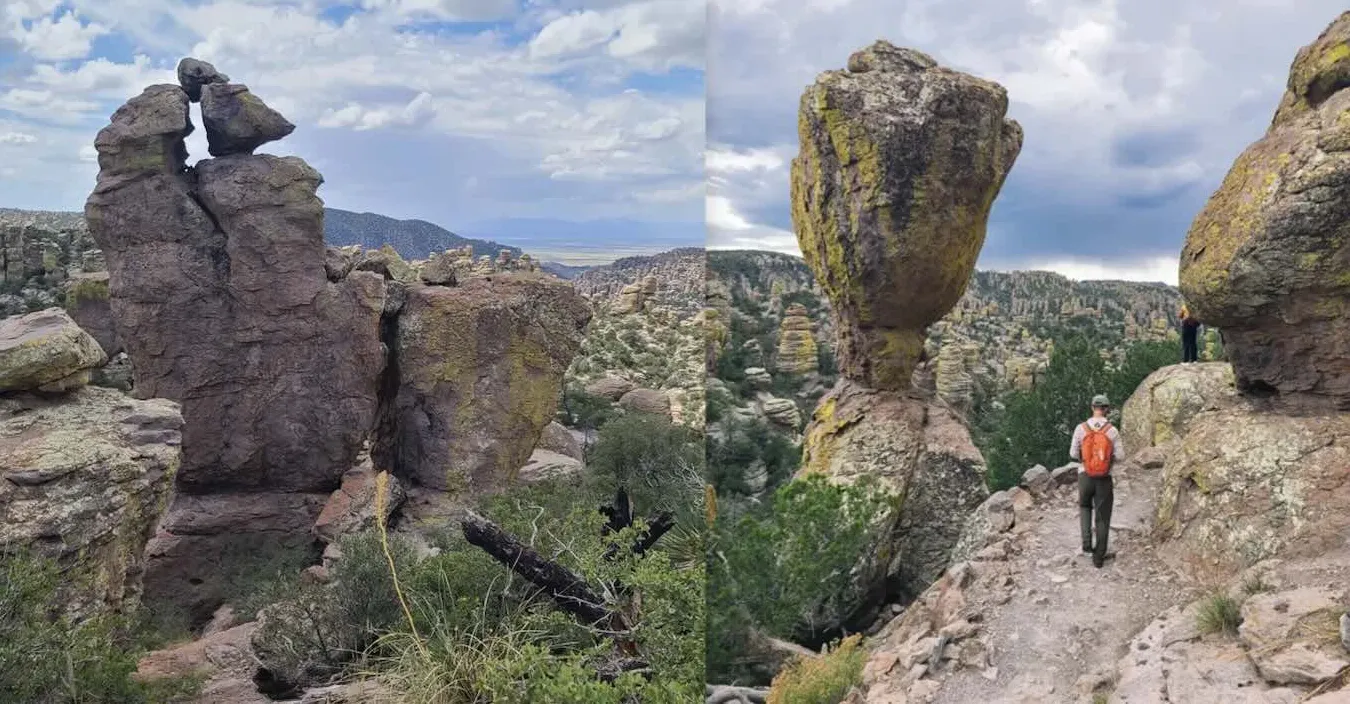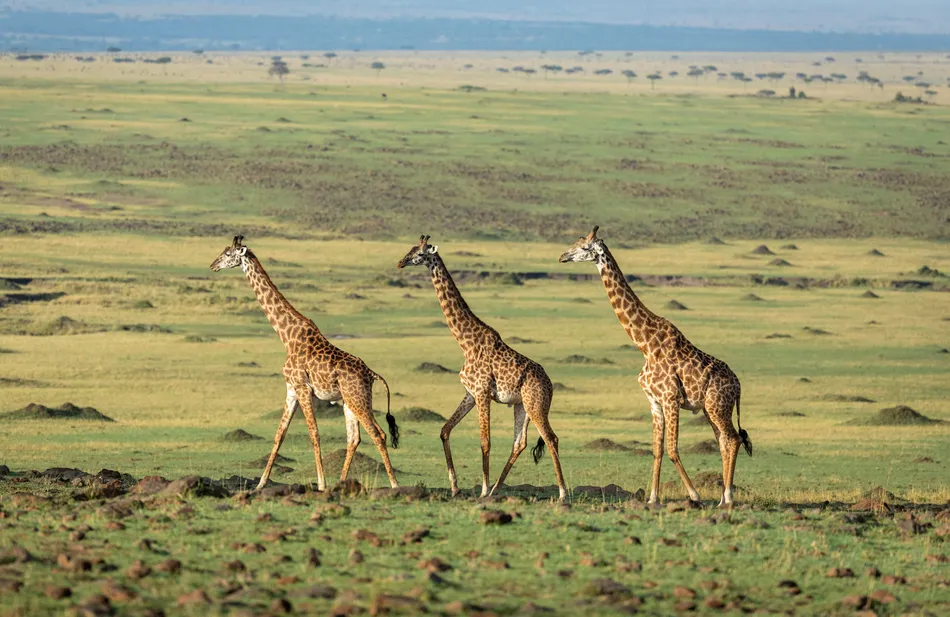
In a monumental step forward for global wildlife conservation, Kenya has officially committed $160 million over the next decade to protect an astounding 173,000 square kilometers (approximately 67,000 square miles) of its most pristine natural landscapes. Spanning across the Great Rift Valley, the iconic Maasai Mara, and critical surrounding biodiversity hotspots, this decade-long initiative marks one of the most ambitious land preservation efforts in African history.
The landmark program has been named Thamani Asili, a Kiswahili phrase translating to “value of nature.” The funding structure reflects a powerful collaborative model: $80 million contributed directly by the Kenyan government, matched evenly by $80 million from private philanthropic partners and global donors dedicated to ecological preservation.
Key Highlights of the Thamani Asili Program
- Unprecedented Scale: Encompasses 173,000 square kilometers of crucial wildlife habitat and migratory corridors.
- Balanced Funding: A 50/50 public-private partnership ensuring $160 million over ten years.
- Strategic Accountability: Utilizes the Project Finance for Permanence (PFP) framework to guarantee sustainable policy implementation.
- Species Protection: Directly safeguards habitats supporting 40 percent of Kenya’s elephants and 20 percent of its critically endangered black rhinos.
- Global Impact: Accelerates Kenya's progress toward protecting 30 percent of its land and ocean ecosystems by 2030.
Protecting Vital Sanctuaries and Migration Corridors
The Thamani Asili initiative strategically focuses on four critical priority zones designed to offer maximum protection for endangered species and ecological stability:
1. Tsavo National Park Complex: As Kenya’s largest protected area, Tsavo provides a refuge for roughly 40 percent of the nation’s elephant population and 20 percent of its critically endangered black rhinos. Sustained funding ensures enhanced ranger protection, anti-poaching measures, and habitat restoration.
2. Maasai Mara-Serengeti Corridor: Extending along the southern border with Tanzania, this landscape forms part of the ancient migration route utilized by millions of wildebeest, zebras, and predators for seasonal movements that predate modern national boundaries.
3. The Great Rift Valley: Rich in freshwater ecosystems, lakes, and unique avian habitats, this zone serves as an ecological backbone for regional biodiversity.
4. Regional Biodiversity Hotspots: Two additional targeted areas round out the initiative, creating interconnected networks that prevent habitat fragmentation and support climate resilience.
Understanding Project Finance for Permanence (PFP)
Traditional conservation efforts often struggle with temporary funding cycles that end before systemic changes can take root. To solve this recurring challenge, Thamani Asili employs the innovative Project Finance for Permanence (PFP) model.
Under a PFP structure, funds are not disbursed as simple upfront grants. Instead, financial releases are tied directly to verifiable policy benchmarks and structural regulatory changes enacted by the government. This mechanism ensures that long-term funding translates into lasting legal protection and institutional management for protected areas, aligning international financial backing with guaranteed national governance.
By joining nations such as Brazil and Gabon in adopting this high-accountability model, Kenya sets a strong precedent for sustainable, results-driven environmental policy across Africa.
Accelerating the 30x30 Target and Sustaining Communities
This initiative substantially accelerates progress toward the global “30x30” goal—an international commitment to protect at least 30 percent of Earth’s land and ocean areas by 2030. Currently, Kenya’s protected land coverage stands between 20 and 23 percent. Experts note that the multi-million dollar funding framework of Thamani Asili will effectively close much of this remaining gap over the next decade.
Beyond ecological conservation, the initiative delivers compelling socioeconomic benefits. Data indicates that approximately 42 percent of Kenya's gross domestic product (GDP) and 70 percent of overall employment rely directly on nature-based industries, including ecotourism, sustainable agriculture, and forestry management.
By securing these pristine habitats, Thamani Asili promises to strengthen local economies, safeguard agricultural livelihoods bordering protected regions, and ensure that indigenous and farming communities thrive alongside thriving wildlife populations for generations to come.
Source: The Optimist Daily