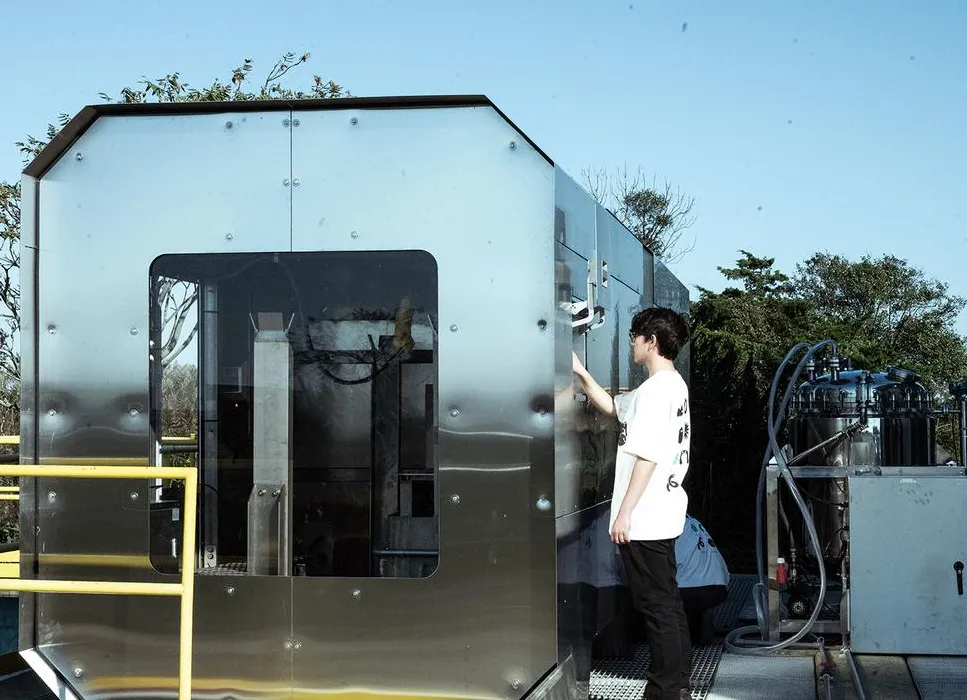
A brilliant new solution to one of our most pressing environmental challenges is making waves in New Jersey, where a first-in-the-world filtration device has been deployed to combat microplastic pollution. Developed by innovative engineering minds, this scalable technology offers a powerful new way to protect our oceans and public health by intercepting microscopic plastics before they can enter natural waterways.
How Nature-Inspired Design Tackles Wastewater Microplastics
The groundbreaking filtration system draws direct inspiration from the natural world. Specifically, the large implant mimics the unique properties of hydrophobic plants found in nature. While these plants completely shed water on contact, they simultaneously possess a natural attraction to microplastic particles.
Once the wastewater flows through the device, the water moves onward while the trapped plastic particles are securely captured. These collected materials can then be easily gathered and sent to specialized recycling facilities for proper processing. Laboratory testing of the initial prototypes revealed an astounding success rate, demonstrating the ability to remove up to 98% of microplastic particles from wastewater streams.
Proactive Leadership in Atlantic City
The Atlantic County Utilities Authority (ACUA) chose not to wait for federal mandates before taking decisive action. Recognizing the urgent threat that microplastics pose to marine life and human health, local leaders partnered with innovative entrepreneurs to launch a two-year pilot program.
- Preventing Ocean Contamination: Wastewater often accumulates microplastics from everyday sources like washing machines, heavy rain runoff, and general surface litter.
- Safeguarding Public Health: Removing these tiny synthetic particles ensures they do not re-enter the food chain through fish or affect local water supplies.
- Energy-Efficient Innovation: The newly installed system operates on remarkably low energy and requires minimal material, marking a major leap forward in environmental engineering.
As brilliant innovators continue to scale these technologies for both commercial and residential applications, communities around the globe are discovering powerful new ways to heal our environment and protect our shared future.

Source: Good News Network