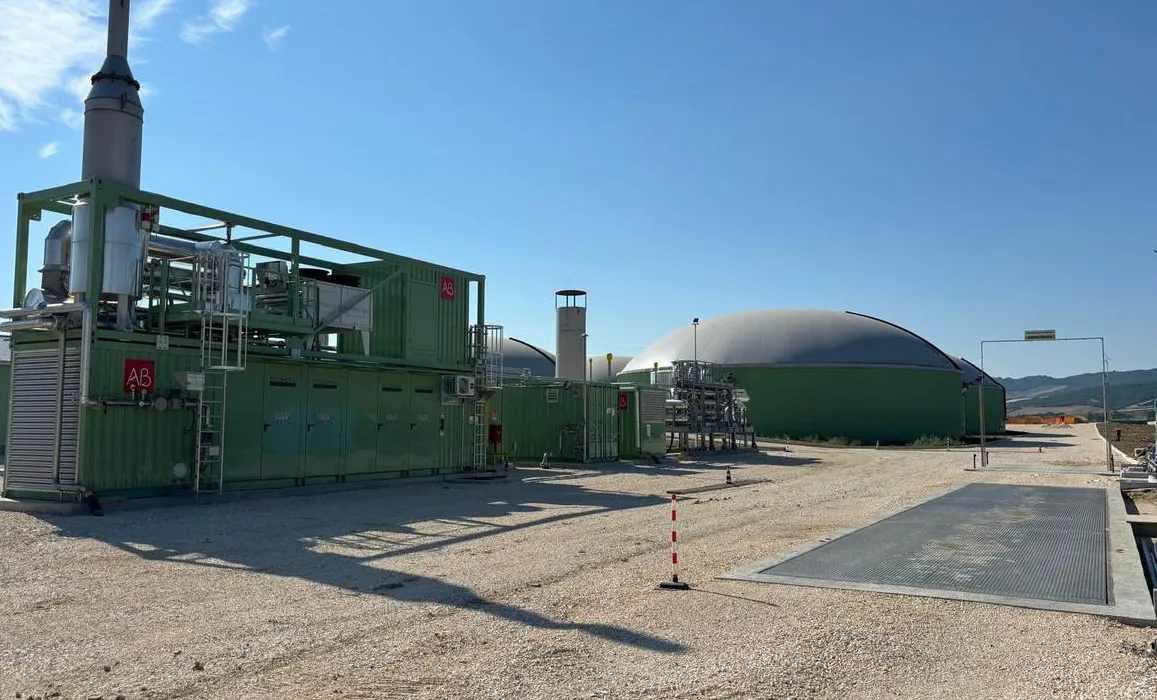
Southern Italy has welcomed a significant milestone in its renewable energy journey with the successful launch of a major biomethane facility in Grottole. This state-of-the-art plant marks a pivotal step toward a more sustainable energy future, transforming agricultural byproducts into clean, low-carbon gas. By converting waste into a valuable resource, the facility not only supports the local economy but also plays a crucial role in reducing the region’s carbon footprint, setting a powerful example for circular economy practices across Europe.
Turning Agricultural Waste into Renewable Power
Located in the Basilicata region, often described as the 'instep' of the Italian Peninsula, the new plant represents a strategic victory for sustainable energy development. The facility utilizes organic waste from regional farms, converting it into biomethane, a direct substitute for traditional natural gas. This process not only diverts waste from landfills but also produces high-quality fertilizer as a byproduct, creating a dual benefit for the agricultural community.
The operational capacity of the plant is substantial, designed to generate 45 gigawatt-hours (GWh) of renewable energy annually. This output is equivalent to the average gas consumption of approximately 3,200 Italian households. Over its operational lifespan, the plant is expected to prevent the release of around 9,000 tons of carbon dioxide (CO2) into the atmosphere each year, a significant contribution to global decarbonization efforts. By leveraging existing infrastructure, the project demonstrates how renewable technologies can be integrated seamlessly into current energy systems without requiring disruptive new construction.
Strengthening Italy’s Energy Security and Independence
Italy has long relied heavily on imported natural gas, which accounts for nearly half of its electricity generation. However, recent geopolitical tensions and supply chain disruptions have highlighted the urgent need for energy independence and diversification. The Grottole plant addresses this challenge by providing a domestic source of energy that is both reliable and sustainable. As Europe faces colder months and potential supply constraints, the ability to produce renewable gas locally becomes a critical component of national energy security.
The growth of Italy’s biomethane sector has been remarkable, with production capacity expanding from 0.25 billion cubic meters in 2022 to an estimated 1.6 billion cubic meters by 2026. Biofuels now represent 35% of the country’s domestic energy products, surpassing all other renewable sources combined. This rapid expansion underscores the viability of biomethane as a cornerstone of Italy’s energy transition strategy. By reducing reliance on volatile international gas markets, the country is building a more resilient and stable energy framework.
- Annual Energy Output: 45 GWh of renewable gas, sufficient for 3,200 homes.
- Carbon Reduction: Avoids approximately 9,000 tons of CO2 emissions per year.
- Resource Utilization: Converts agricultural waste into energy and fertilizer.
- Market Impact: Contributes to a 6x growth in Italy’s biomethane capacity since 2022.
A Model for the European Energy Transition
The success of the Grottole facility is part of a broader European initiative to integrate renewable energy into the grid. European energy developers have recognized biomethane as a key player in the transition away from fossil fuels, particularly in regions with strong agricultural sectors. The plant’s operation exemplifies how strategic planning, local collaboration, and technological innovation can come together to deliver tangible environmental and economic benefits.
Industry leaders emphasize that this project is not just about generating power; it is about fostering a community-driven approach to sustainability. By engaging with local authorities and farmers, the project ensures that the benefits of renewable energy are shared widely. The facility’s ramp-up phase is currently underway, with full operational capacity expected within the next six months. As it reaches full production, the plant will serve as a benchmark for other renewable energy projects across the continent, demonstrating that clean energy solutions can be both efficient and scalable.
This development highlights the potential of biomethane to bridge the gap between current energy needs and future sustainability goals. As the world moves toward a greener economy, projects like the Grottole plant offer a clear pathway forward, proving that innovation and environmental stewardship can go hand in hand. The success in southern Italy serves as an inspiration for other regions looking to harness their local resources for a cleaner, more secure energy future.