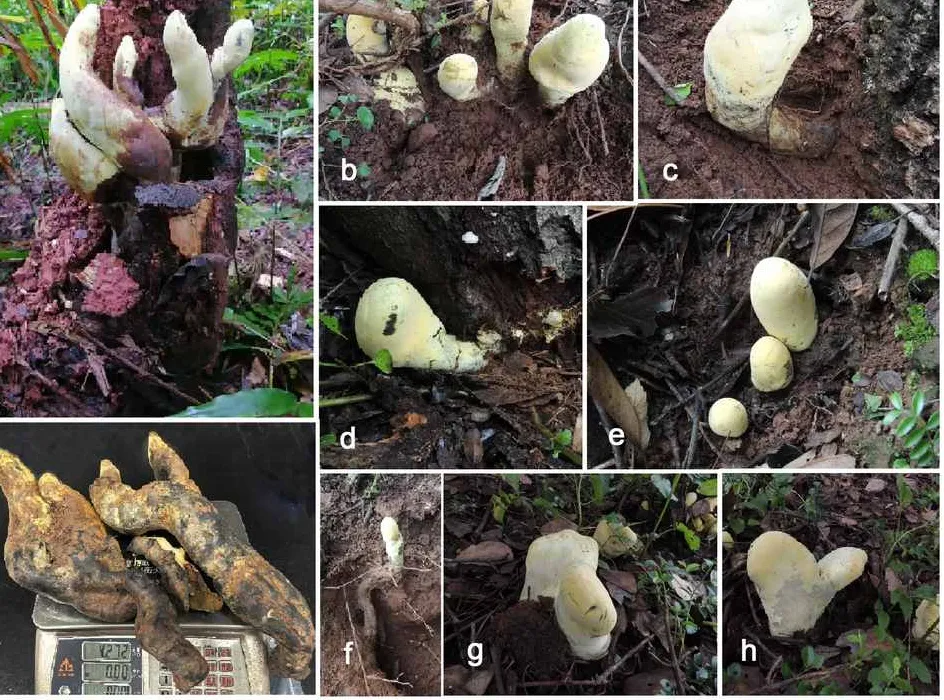
Deep in the lush forests of southwest China, an extraordinary botanical discovery has stunned the scientific community. Researchers have uncovered a monumental "fungal giant" that shatters previous expectations about just how large fungi can grow. Formally named Dianjunus rex—or the "King of Dian" in honor of an ancient Chinese kingdom—this newly described species produces towering vertical fruiting bodies reaching up to 20 inches high and weighing a remarkable five pounds.
This groundbreaking finding was a collaborative effort involving scientists from China, Thailand, and Mexico. Upon analyzing the specimen, the team realized they had discovered not only an entirely new species and genus, but a completely new family of fungi belonging to the Phylum Ascomycota. This incredible addition highlights the vast, uncharted biodiversity still waiting to be uncovered in the rich ecosystems of East Asian forests.
Unlocking the Ancient Origins of the Fungal Kingdom
Through advanced genomic analysis and "molecular clock" techniques, researchers were able to trace the evolutionary timeline of the newly established family, Dianjunaceae. The genetic data suggests that this lineage arose approximately 65 million years ago. Strikingly, this emergence occurred just one million years after the Cretaceous-Paleogene mass extinction event that reshaped the planet.
Scientists believe that the massive ecological shifts following the extinction created unprecedented opportunities. With vast amounts of dead plant material suddenly available across ancient forests, wood-decomposing fungi found ideal conditions to thrive and evolve new survival strategies. Over millions of years, D. rex maintained its monumental stature, likely because towering fruiting bodies provided a distinct evolutionary advantage for wind-dispersing spores through dense forest canopies.
The Incredible World of Ascomycota Fungi
While the casual observer might not instantly recognize the name Ascomycota, this group represents the largest phylum of fungi, comprising over 64,000 known species. These remarkable organisms play a profoundly influential role in global ecosystems and human culture alike.
- Culinary Delights: Ascomycetes include the essential molds and yeasts responsible for baking bread, brewing beer, and producing beloved cheeses like Roquefort and Brie.
- Medical Breakthroughs: This diverse group gave humanity penicillin and life-saving organ-rejection inhibitors.
- Gourmet Treasures: Highly prized culinary delicacies such as morels and truffles also belong to this influential fungal family.
Researchers are optimistic that continued exploration into the subtropical regions of China will yield even more astonishing biological discoveries. Areas featuring high habitat diversity and climatic stability serve as natural incubators for unique species evolution, reminding us of the endless wonders still waiting to be revealed in the natural world.