In an inspiring breakthrough for marine conservation, scientists have successfully tested a simple yet ingenious method to protect vulnerable coral reefs from the devastating impacts of rising ocean temperatures. Utilizing custom-made underwater umbrellas, researchers have demonstrated that temporary shading can significantly mitigate heat and ultraviolet damage, offering a promising new tool in the global fight to preserve vibrant marine ecosystems.
How Underwater Umbrellas Protect Marine Life
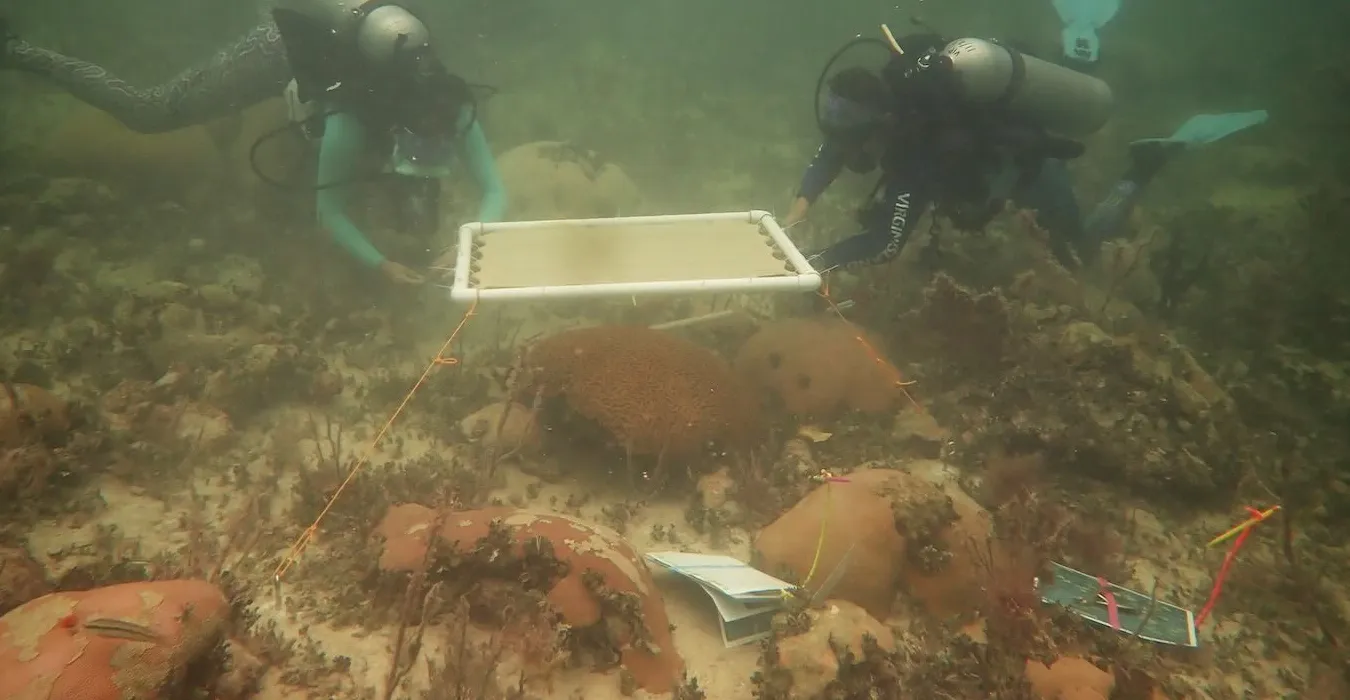
Rising sea temperatures driven by global warming pose a severe threat to coral reefs worldwide, often triggering bleaching events that turn corals a ghostly white and leave them starving and vulnerable to mortality. While restoring dead reefs is a complex and costly endeavor, proactive measures can make a profound difference. To combat this, a dedicated team of marine scientists deployed twenty custom parasol-like shades over targeted brain coral colonies in the Florida Keys during the intense summer of 2024.
Constructed from sturdy PVC pipe and durable nylon fabric, these innovative underwater structures were securely fixed to the seabed to float gracefully just a foot above the coral colonies. By reducing ambient light by 60%, the shades successfully prevented harmful ultraviolet and irradiance damage from compounding the stress of record-high water temperatures. Regular monitoring by divers revealed remarkable outcomes for the shaded marine life.
Key Takeaways and Promising Results
- Reduced Bleaching: Corals protected by the fabric shades lost significantly less color than their unshaded counterparts during peak thermal stress.
- Color Recovery: Remarkably, the shaded corals demonstrated an ability to recover some of their lost color even after the parasols were installed.
- Targeted Effectiveness: The study proved successful across highly susceptible brain coral species, indicating broad potential for safeguarding other vulnerable reef varieties.
- Future Resilience: Preventing even non-lethal bleaching helps maintain corals' future reproductive capacity and lowers their susceptibility to disease.
Although scaling this technique for massive ocean tracts presents logistical challenges, this successful proof-of-concept offers a beacon of hope for conservationists. By providing targeted relief during critical heatwave events, researchers have unlocked a valuable new strategy to protect and nurture our precious marine habitats for generations to come.