When Vincent van Gogh painted The Starry Night, he captured more than just a swirling, emotional dreamscape. A fascinating new scientific study has revealed that the iconic masterpiece accurately mirrors the actual pre-dawn sky over Saint-Rémy, France, in July of 1889. This groundbreaking interdisciplinary research bridges the worlds of fine art and astronomy, shedding fresh light on the legendary post-Impressionist painter's meticulous observational methods.
Aligning Art and Astronomy: Decoding the Cosmos in Van Gogh's Masterpiece
For decades, art historians and scientists have debated the exact date and celestial inspiration behind The Starry Night. While the painting has traditionally been linked to a letter written by the artist around June 18, 1889, astronomical experts noted that the waning gibbous moon of that period could not account for the slender crescent depicted on canvas. Now, the first comprehensive astronomical re-examination of the painting in forty years offers a compelling new timeline.
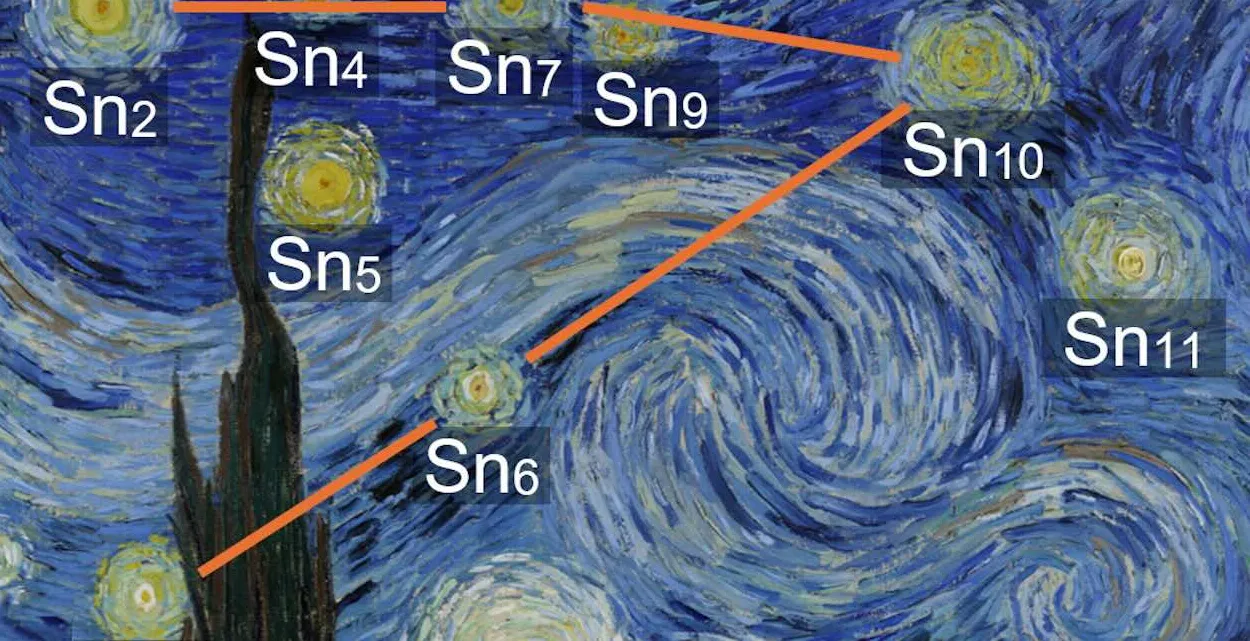
Conducted jointly by space-science researchers and academic specialists, the study published in Scientific Reports utilized advanced statistical methods, including Procrustes shape analysis, to compare the five central stars of the painting with actual constellations. The results confirmed a striking match: the sky corresponds precisely to the pre-dawn view on July 22, 1889, featuring a waning crescent moon, Venus, and the Hyades star cluster in the Taurus constellation.
- Celestial Accuracy: The prominent star cluster in the painting matches the Hyades in Taurus rather than previous assumptions of Aries.
- Methodological Precision: Researchers conducted rigorous field trips to France, utilizing contemporary weather records, historical letters, and photographic site verification to reconstruct van Gogh's exact field of view.
- Grounded in Reality: The findings demonstrate that van Gogh relied on direct observation of the natural world rather than pure imagination when painting his most famous night sky.
Continuing the Conversation Across Art History
This inspiring discovery invites art lovers and science enthusiasts alike to look at van Gogh's portfolio with fresh eyes. Using the same innovative shape-analysis techniques, the research team also proposes that the celestial bodies in the 1888 painting Café Terrace at Night align with the Summer Triangle. As researchers continue to decode the hidden astronomical truths within masterworks, we gain an even deeper appreciation for van Gogh's brilliant scientific curiosity and artistic genius.