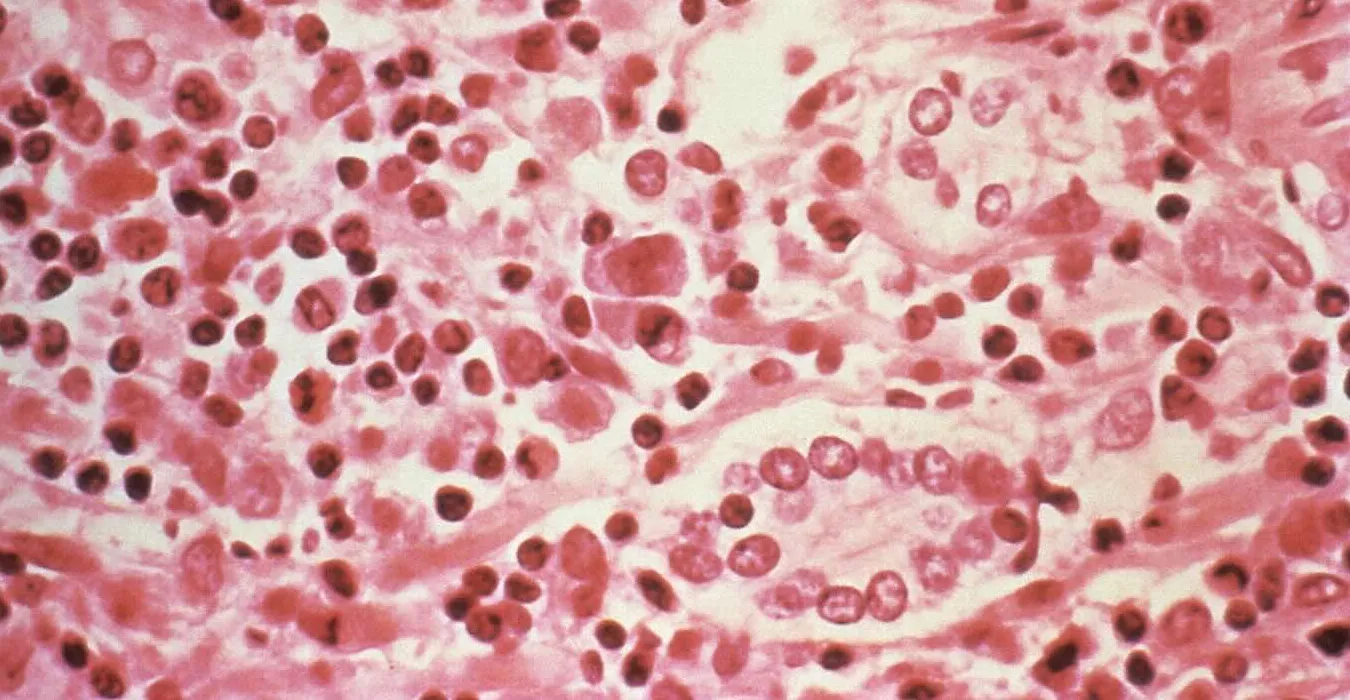
In a monumental breakthrough for pediatric oncology, scientists have successfully eliminated an aggressive childhood brain cancer while providing lasting protection in rigorous laboratory experiments involving mice. Utilizing a groundbreaking form of immune cell therapy designed to activate exclusively within the brain, researchers have sparked tremendous hope for treating one of the most challenging diagnoses in modern medicine.
Revolutionary Immune Cell Therapy Targets Deadly Brain Tumors
The primary target of these recent experiments was diffuse midline glioma (DMG), a devastating childhood cancer known for growing dangerously into the brainstem—the critical region responsible for regulating breathing, heartbeat, and swallowing. Historically, nearly all children diagnosed with DMG face an exceptionally grim prognosis, with existing treatments offering little success in halting its swift progression.
However, the experimental treatment, known as B-SYNC CAR-T, introduces an ingenious mechanism to overcome the traditional hurdles of immunotherapy. While conventional CAR-T treatments have often struggled against brain tumors due to severe side effects and difficulty navigating the blood-brain barrier, these newly engineered immune cells are programmed to remain entirely dormant until they reach the specific environment of the brain.
By utilizing a molecular sensing system called synNotch, the modified T cells trigger their cancer-fighting machinery only when they encounter brevican, a protein naturally distributed throughout the brain. Once activated by this brain-specific signal, the B-SYNC CAR-T cells actively search for and destroy tumor cells carrying two specific tumor-associated proteins, EphA2 and IL13Rα2, completely bypassing the need for a tumor-specific mutation.
Promising Results and the Path to Human Clinical Trials
When researchers administered the B-SYNC CAR-T cells directly into mouse models containing human DMG tumors, the results were nothing short of remarkable. The specialized therapy completely eliminated the cancer in every single mouse tested, outperforming conventional CAR-T cells which were unable to bring the aggressive tumors under control.
Beyond eradicating the initial tumors, the therapy demonstrated exceptional long-term resilience. When researchers introduced a fresh round of cancer cells nearly seven weeks after the initial treatment, every treated mouse successfully rejected the new cells. This proved that the engineered immune cells retained their functionality and protective capabilities for more than 70 days.
- Targeted Activation: B-SYNC cells remain inactive elsewhere in the body, significantly reducing the risk of unwanted side effects.
- Complete Elimination: Laboratory tests showed a total shutdown and eradication of DMG tumors in every tested subject.
- Lasting Immunity: Treated subjects successfully rejected newly introduced cancer cells weeks after the initial treatment.
Building on these overwhelmingly positive preclinical findings, medical researchers are rapidly preparing to transition the therapy into human clinical trials. Specialists are currently collaborating to develop patient-specific treatments utilizing each individual's own modified T cells, with human trials potentially beginning as early as April 2027. This innovative stride forward offers a brilliant beacon of hope for children and families facing the heartbreaking reality of brain cancer.

Source: Good News Network