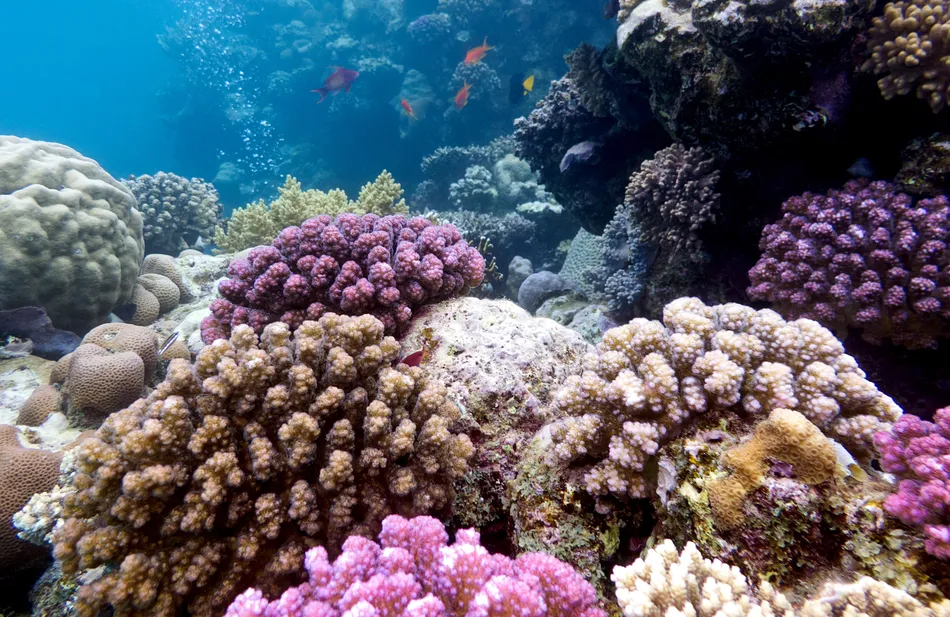
In a remarkable laboratory discovery that offers new hope for marine conservation, scientists have observed bleached coral recovering its color and vitality through direct physical contact with a healthy neighbor. When two coral fragments accidentally fell against each other inside a research tank, the healthy coral responded by actively sharing its beneficial symbiotic algae, fully restoring the damaged fragment within a matter of weeks.
Coral bleaching occurs when rising ocean temperatures cause corals to expel the microscopic algae that live within their tissues. These algae provide both vibrant pigmentation and crucial nourishment. Without them, the coral turns stark white and begins to starve. However, this unexpected breakthrough demonstrates that bleached corals are far more resilient than previously understood and possess a natural capacity for rapid recovery when provided with the right biological support.
Understanding the Breakthrough: The Magic of Coral Tissue Bridges
The restoration process relies on physical connection and precise biological compatibility. Researchers observed that when genetically identical coral fragments come into contact, their tissues fuse together seamlessly. This fusion forms a biological bridge that acts as a highway for nutrients and algae, enabling the healthy organism to nourish and revive the stressed fragment.
Because coral is a colonial organism composed of thousands of individual polyps, genetically matching fragments naturally recognize each other upon contact. In wild ocean environments, this mechanism allows broken pieces of a colony to reconnect after heavy storm waves. When applied to bleached fragments in controlled settings, the results were swift: within days, algae began migrating across the tissue bridge, completely restoring the suffering coral until it became virtually indistinguishable from its healthy counterpart.
Key Insights into Coral Recovery and Symbiosis
- Rapid Color and Health Restoration: Bleached coral fragments showed visible recovery within days and full restoration within two weeks of direct contact.
- Genetic Compatibility Requirements: Tissue fusion and algal transfer require genetic matches; non-matching corals naturally reject physical integration.
- Nutrient Superhighways: Biological tissue bridges allow healthy corals to directly transfer life-sustaining algae and vital nutrients to starved polyps.
- Proactive Conservation Potential: Researchers are exploring methods to culture healthy algae in laboratories for deployment to vulnerable reef systems ahead of expected warming events.
Scaling Marine Conservation for Global Reef Protection
With shallow-water coral systems facing significant environmental pressures worldwide, finding scalable restoration techniques is critical. Coral reefs play a vital role in global marine ecosystems, supporting between a quarter and a third of all ocean species while serving as crucial economic and protective foundations for coastal communities around the globe.
While physical coral-to-coral contact offers a powerful proof of concept, researchers are working to adapt these insights into broader field applications. One promising path involves extracting robust algae strains from resilient reef areas, culturing them in laboratory environments, and introducing them to at-risk marine habitats prior to seasonal temperature spikes. Combining these proactive biological interventions with global efforts to reduce greenhouse gas emissions provides a multi-layered roadmap toward preserving vibrant underwater ecosystems for generations to come.
Source: The Optimist Daily