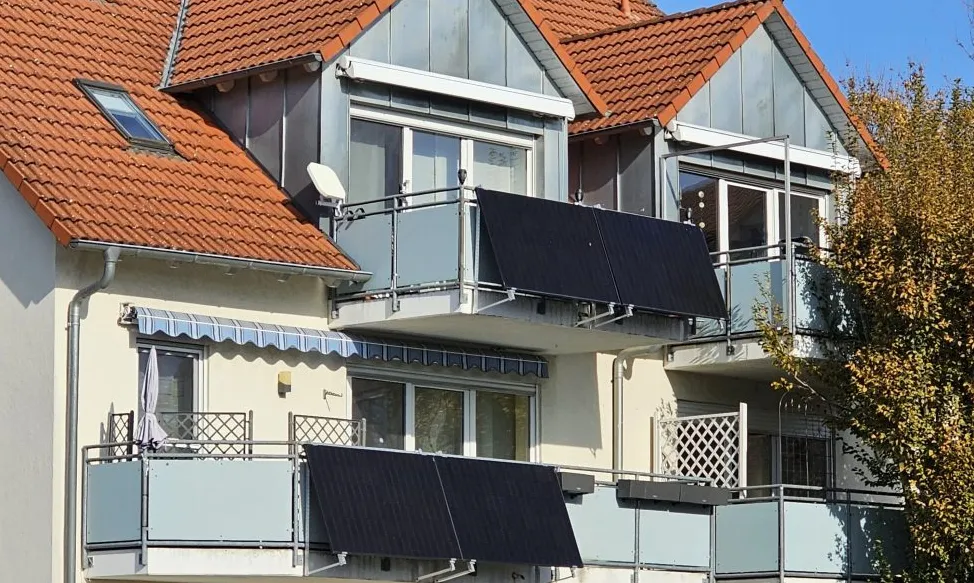
A major breakthrough in clean energy accessibility has arrived in California. With the signing of a landmark bill by Governor Gavin Newsom, apartment renters and low-income households finally have a direct path to participating in the solar revolution. The new legislation legalizes plug-in solar panels—frequently referred to as balcony solar—clearing away long-standing financial and logistical barriers that once restricted clean energy to traditional homeowners.
Unlike conventional rooftop arrays that require homeownership, professional contractors, and thousands of dollars upfront, these portable systems allow residents to generate their own power using minimal hardware that plugs directly into a standard setup. Compliant systems are expected to hit store shelves by mid-2027, paving the way for millions of everyday residents to lower their utility bills and reduce their carbon footprint.
Breaking Barriers in Renewable Energy Access
Historically, rooftop solar technology was accompanied by strict prerequisites. To harness solar energy, individuals needed to own their property, possess a suitable roof, and secure significant capital or credit. Consequently, renters, occupants of multi-family complexes, and lower-income households were left out of the clean energy transition. Balcony solar flips this dynamic by offering a compact hardware package: a few small panels, a portable inverter, and standard connecting cables.
Panels can easily hang from a balcony railing, mount outside a window frame, or sit neatly in a small backyard. With prices for existing systems ranging from $300 to $2,200, plug-in solar offers an affordable DIY alternative to traditional systems. State Senator Scott Wiener, author of the bill, emphasized that these accessible panels will deliver much-needed financial relief on rising energy bills, noting that the measure secured strong bipartisan backing.
Key Benefits of Plug-In Solar Technology
The transition to plug-in solar offers significant practical advantages for urban residents looking for economic relief and environmental independence:
- Significant Cost Savings: A standard plug-in setup can generate up to 20 percent of a small apartment's electricity needs, saving households up to $500 annually.
- Streamlined Registration: The new bill eliminates complex utility paperwork that previously cost up to $800 and took days to process, replacing it with a free, immediate registration process.
- Enhanced Safety Standards: To protect power grid workers and ensure reliability, systems must stay under 1,200 watts per household, undergo third-party safety certification, and feature built-in protection against backfeeding electricity during outages.
- Affordable DIY Installation: Residents can set up their own panels without hiring expensive contractors or making permanent structural alterations to rental units.
Catalyzing National Adoption and Innovation
The legislative overhaul sends a powerful message to clean technology manufacturers across the globe. While Germany has already embraced plug-in solar widely, California's newly established regulatory framework sets explicit safety standards that manufacturers are now eager to meet. Advocates note that establishing these standards provides a clear signal for companies to design next-generation systems specifically optimized for American households.
California becomes the tenth U.S. state to approve plug-in solar legislation, following pioneering efforts in Utah, Colorado, Virginia, and Maine. Because California represents the nation's largest electricity market, its adoption is expected to accelerate production on a massive scale. Soon, picking up an affordable, plug-and-play solar kit at a local hardware store will be a convenient reality for everyday consumers across the country.
Source: The Optimist Daily