A quiet village in Yorkshire’s North Yorkshire moors has become a living laboratory for a new vision of social care. Here, people with learning disabilities and their supporters share homes, meals, and daily work, blurring the lines between “caregivers” and “care recipients” to create a community where everyone contributes and thrives.
A Community That Reimagines Care
When I first arrived in Botton, I expected a typical care facility. Instead, I found a bustling farm field where residents, volunteers, and staff worked side by side, shovelling hay and sharing stories over tea. The Esk Valley Camphill Community, founded in 1955, operates on the principle that people with and without learning disabilities can live and work together as equal members of a community, rather than as service users and providers.
Daily Life in Harmony
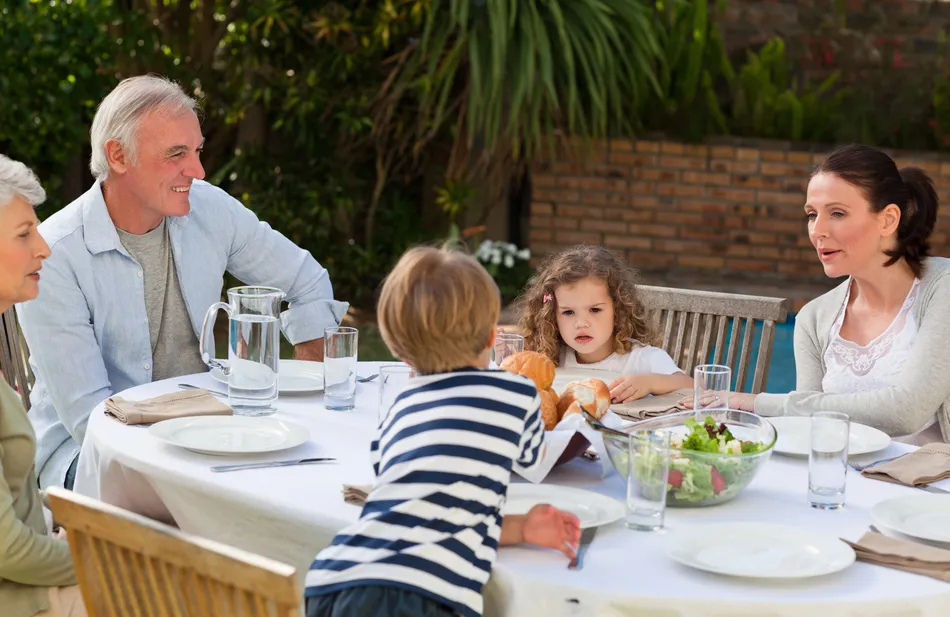
Each of the village’s 19 houses hosts two or three co‑workers, a similar number of residents, and usually one volunteer. The rhythm of life is simple yet powerful: communal breakfast at 7:30 am, a morning workshop until noon, lunch at the house until 1:30 pm, a second workshop, and dinner around 6:30 pm. Meals rotate between houses, ensuring that residents and staff sit together at many tables each week. This shared eating schedule stitches the village into a web of relationships that extends beyond individual households.
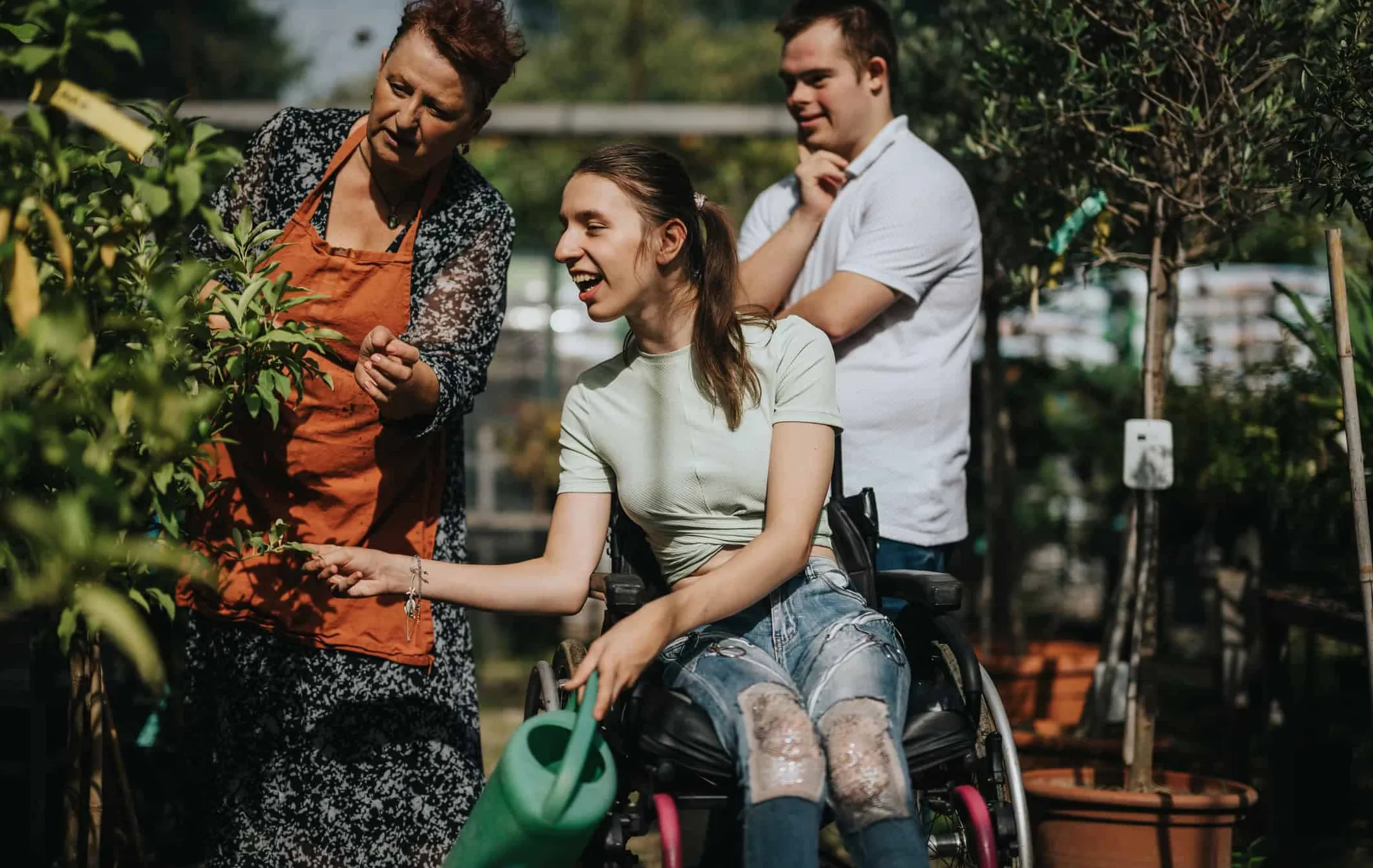
The workshops cover gardening, woodworking, crafts, cooking, and forestry. Residents often take the lead in organising transport to nearby fields, managing the village’s small “transport depot” where cars ferry people between the village and Homefield Garden. These tasks, traditionally seen as the domain of staff, are performed by residents with enthusiasm and skill, illustrating how responsibilities naturally flow between everyone.
Lessons for a Brighter Future
My time in Botton challenged long‑standing assumptions about social care. The village’s model demonstrates that when people are given agency and meaningful roles, they can contribute to their own support and to the support of others. This has several implications for the wider system:
- Shared Responsibility – Care is a collective endeavour, not a one‑way service.
- Relationship‑Based Support – Long‑term bonds foster trust and continuity, reducing turnover.
- Skill Development – Residents learn practical skills that enhance independence and confidence.
- Community Integration – Rotating meals and shared work create a sense of belonging that extends beyond the individual.
Addressing Systemic Challenges
England’s social care sector faces high vacancy rates, low pay, and staff burnout. The Esk Valley model offers a counter‑example: a community where staff and residents collaborate, reducing the need for a large, formally employed workforce. By valuing the contributions of all members, the village demonstrates a sustainable, human‑centred approach that could inform policy and practice.
Building a Supportive System Together
Reimagining social care as a shared, community‑driven practice requires a cultural shift. It means recognising the strengths and potential of every individual, fostering relationships that last, and creating environments where people can grow and contribute. The Esk Valley Camphill Community shows that such a vision is not only possible but profoundly uplifting.
Core Takeaways
- Community living blurs the line between caregivers and care recipients, fostering mutual support.
- Shared daily routines and rotating meals build strong, continuous relationships.
- Residents can lead and manage practical tasks, enhancing independence and confidence.
- Such models can alleviate workforce shortages and improve care quality.
Source: Positive News