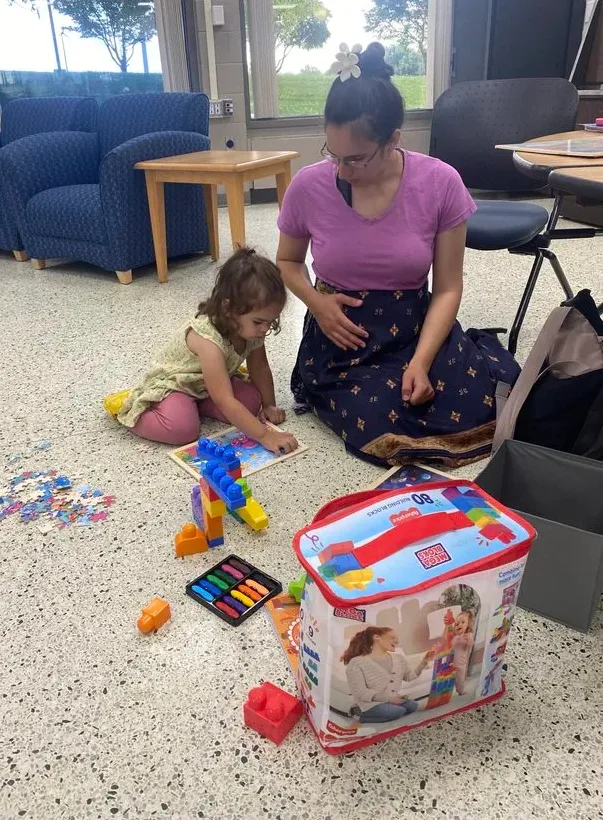
In a bustling campus hallway, a simple box filled with coloring books and building blocks became a symbol of support for student parents. The idea was simple: when a parent walks into the advising office, their child can stay entertained nearby, allowing the parent to focus on their academic needs. This small act of kindness has sparked a broader movement across community colleges to create welcoming spaces for families.
Creative Solutions for Student Parents
Many community colleges recognize that students who are parents face unique challenges. While some institutions have long offered childcare centers, others are finding innovative ways to bridge the gap. One approach is the “busy box” concept, which provides free toys and activities for children during appointments or study sessions. In addition, some campuses have set up child‑sized furniture in libraries and dedicated family study rooms where parents can work while their kids play safely.
These initiatives are part of a growing trend to make campuses more inclusive for parents. By offering resources that are both practical and welcoming, colleges help students balance family responsibilities with their educational goals.
Data and Partnerships: Turning Insight into Action
Accurate data on how many students have children is essential for tailoring support services. Unfortunately, many institutions lack reliable information, making it difficult to allocate resources effectively. To address this, some colleges have partnered with local nonprofits, churches, and community groups to gather information and share resources. These collaborations often lead to shared childcare programs, peer‑parenting groups, and family‑friendly events that strengthen the campus community.
In addition to on‑campus solutions, some schools have begun to modify course syllabi to include family‑friendly policies. For example, instructors may allow flexible deadlines for assignments when a student has a child’s school event or provide alternative assessment options that accommodate parenting responsibilities.
Key Takeaways
- Busy boxes with toys and coloring books keep children engaged during academic appointments.
- Family study rooms and child‑sized furniture create safe, productive workspaces for parents.
- Partnerships with local nonprofits and community groups expand childcare options and support networks.
- Flexible course policies help students manage academic and parenting duties simultaneously.
- Collecting accurate data on student parents informs targeted resource allocation and policy development.
While funding for parent support programs can fluctuate, many colleges are finding creative ways to maintain services. For instance, some institutions have introduced modest stipends to help parents cover transportation or childcare costs. These financial supports, though smaller than previous grants, still play a vital role in easing the burden on student parents.
Beyond financial aid, the emotional support offered by campus staff and peers is equally important. Dedicated counselors and advisors often lead orientation sessions that highlight family resources, ensuring that new parents feel seen and valued from day one.
Student‑run clubs and peer‑parenting groups are another powerful tool. By fostering a sense of community, these groups provide mentorship, shared childcare, and a platform for parents to voice their needs. When students see their peers successfully balancing family and studies, it reinforces the belief that they can do the same.
Research indicates that student parents are more likely to be students of color, low‑income, and first‑generation college attendees. These demographics face additional hurdles, making the availability of family‑friendly resources all the more critical. By addressing these challenges, colleges not only improve graduation rates but also contribute to broader social equity.
Policy makers and grant programs continue to play a role in supporting student parents. Federal initiatives that focus on childcare access and basic needs for postsecondary students provide funding opportunities that can be leveraged by community colleges. By aligning institutional efforts with these programs, schools can secure additional resources to expand and sustain support services.
Ultimately, the movement toward family‑friendly campuses reflects a cultural shift. Student parents are no longer an afterthought; they are integral members of the academic community. Through thoughtful design, collaborative partnerships, and a commitment to inclusivity, colleges are creating environments where parents can thrive academically and personally.
As more institutions adopt these practices, the hope is that every student parent will feel welcomed, supported, and empowered to achieve their educational goals.
Source: Reasons to be Cheerful