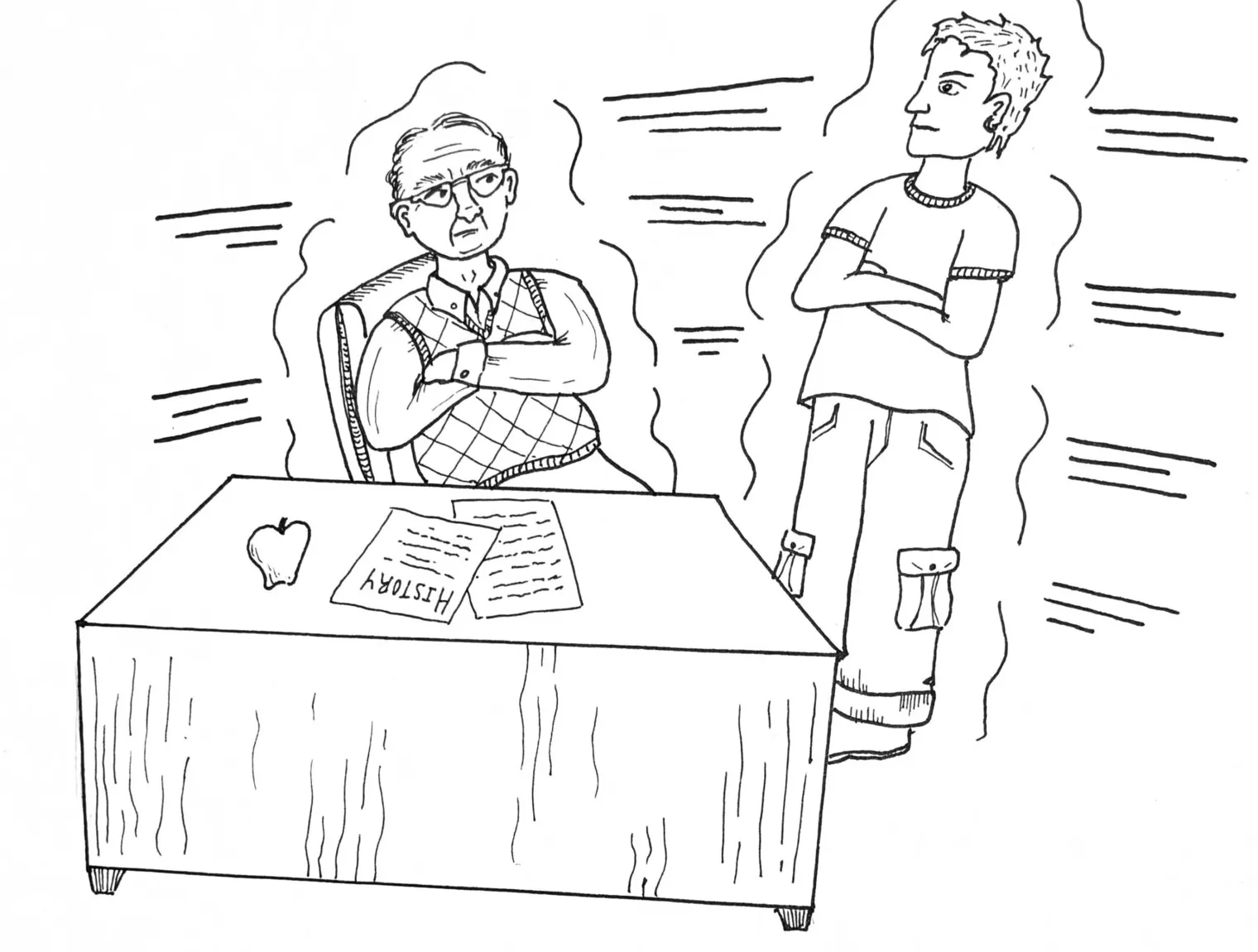
Navigating school assignments in the modern era comes with new kinds of anxieties, such as second-guessing natural writing quirks out of fear that they might be mistaken for artificial intelligence. This dynamic highlights a growing tension in classrooms, where both educators and students are trying to figure out how to adapt to rapid technological changes, sometimes inadvertently finding themselves at odds.
Reimagining Classroom Dynamics and Homework
As academic institutions grapple with the rise of AI writing tools, some educators have chosen to shift essay-writing exclusively into the classroom. While well-intentioned, this approach risks creating an environment of preemptive distrust, undermining the joy of collaborative learning. Instead of falling into cycles of suspicion, innovative educational groups are proving that classrooms can become spaces of mutual understanding and cooperation.
Empowering Youth Through Collaborative Research
Organizations like the Center for Digital Thriving at the Harvard Graduate School of Education are pioneering a better way forward. Guided by the principle of "nothing about us, without us," this initiative ensures that young people have a direct voice in shaping how technology is understood and managed in schools. By involving teenagers in advisory boards and feedback sessions, researchers can design resources that reflect the real-life experiences of students.
- Direct Inclusion: Teens share their personal stories regarding how AI impacts their daily lives and academic routines.
- Collaborative Boundary-Setting: Interactive classroom exercises, such as the "Align on the Line" activity, allow students and teachers to collectively define acceptable and unacceptable uses of technology.
- Fostering Empathy: Recognizing that many students turn to chatbots because they feel unheard, educators are learning to build stronger human connections and open dialogue.
Restoring Faith and Fostering Independence
Ultimately, addressing the challenges of artificial intelligence in education is not about halting technological progress, but about nurturing informed and supportive communities. When students see that their opinions are valued and that they are genuinely trusted by the adults guiding them, they can cultivate greater self-reliance and confidence in their own authentic voices. Through open conversations and collaborative problem-solving, educators and students can transform potential friction into an opportunity for growth and mutual respect.