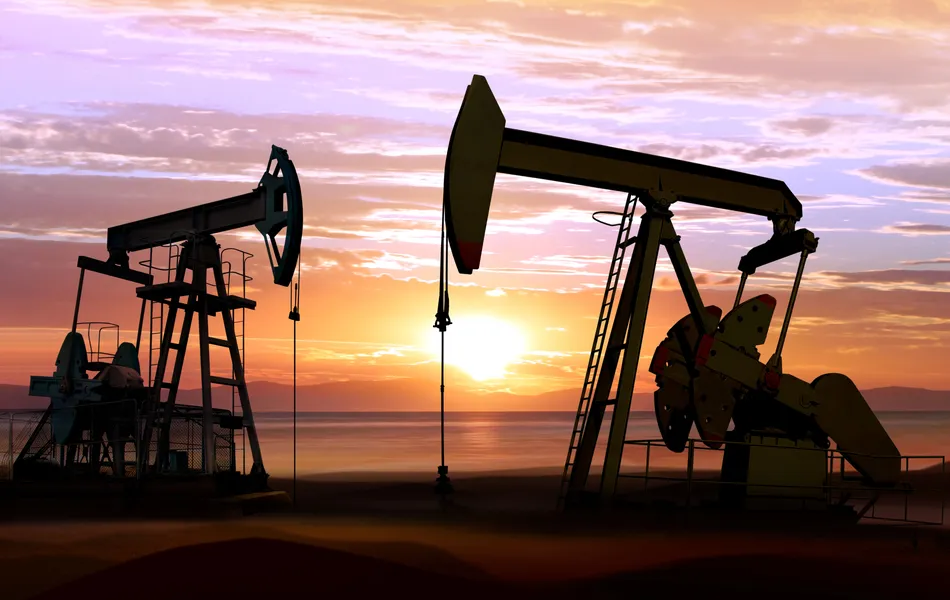
For years, the central question hanging over international climate talks was not whether the world would eventually shift away from fossil fuels, but whether major economies would actually put that transition into writing with a concrete plan attached. That changed when Brazil released what is being celebrated as the world's first comprehensive global roadmap for phasing out coal, oil, and gas.
Designed to be voluntary and flexible, the framework acknowledges that nations operate at different speeds and require unique types of support. Rather than imposing rigid mandates, the document describes the energy transition as 'urgent, inevitable and yet entirely possible,' laying out a structured three-phase agenda running from 2028 to 2033 to help countries redesign their energy systems proactively.
Overcoming Gridlock With a Practical Global Framework
Although previous climate summits faced resistance from major petroleum-producing nations regarding explicit phaseout language, leadership chose to turn this challenge into an opportunity. Instead of viewing diplomatic stalemates as a dead end, a voluntary framework was crafted that any country can utilize to map out its own energy transition independently of formal summit negotiations.
Key stakeholders emphasize that moving away from carbon-intensive energy sources is fundamentally an economic and societal benefit. By framing the transition as a logistics challenge rather than an endless diplomatic debate, governments are encouraged to leverage existing tools and technologies to start planning immediately.
Core Takeaways of the Global Energy Roadmap
- Flexible Phasing: Structured across three distinct phases from 2028 to 2033 to accommodate varying national capabilities.
- Proactive Planning: Encourages nations to design tailored domestic roadmaps without waiting for binding international treaties.
- Economic Opportunity: Highlights how moving early toward clean energy fortifies national economies and secures long-term societal well-being.
- Action-Oriented Focus: Shifts the global climate dialogue from debating whether to transition to figuring out how to execute it efficiently.
Shaping Future Climate Dialogues
As international climate conferences continue to evolve, this landmark roadmap serves as a standing offer for governments seeking practical guidance. While climate advocates emphasize the ongoing need for strict accountability, clear timelines, and dedicated resources, the existence of a tangible blueprint fundamentally transforms the global conversation.
By taking the inevitability of a post-fossil-fuel future as a given, this initiative empowers governments, communities, and industries to embrace clean energy planning with unprecedented confidence and clarity.
Source: The Optimist Daily