Brazilian environmental authorities have announced a major expansion of the Pantanal Matogrossense National Park, enlarging the critical conservation zone by more than 25 percent. Originally covering 523 square miles, the park has been expanded by an additional 185 square miles—an addition roughly equivalent in size to Redwood National Park in the United States. This significant step forward secures vital habitat within one of the richest and most sensitive ecosystems on the planet.
A Haven for Earth's Largest Jaguar Population
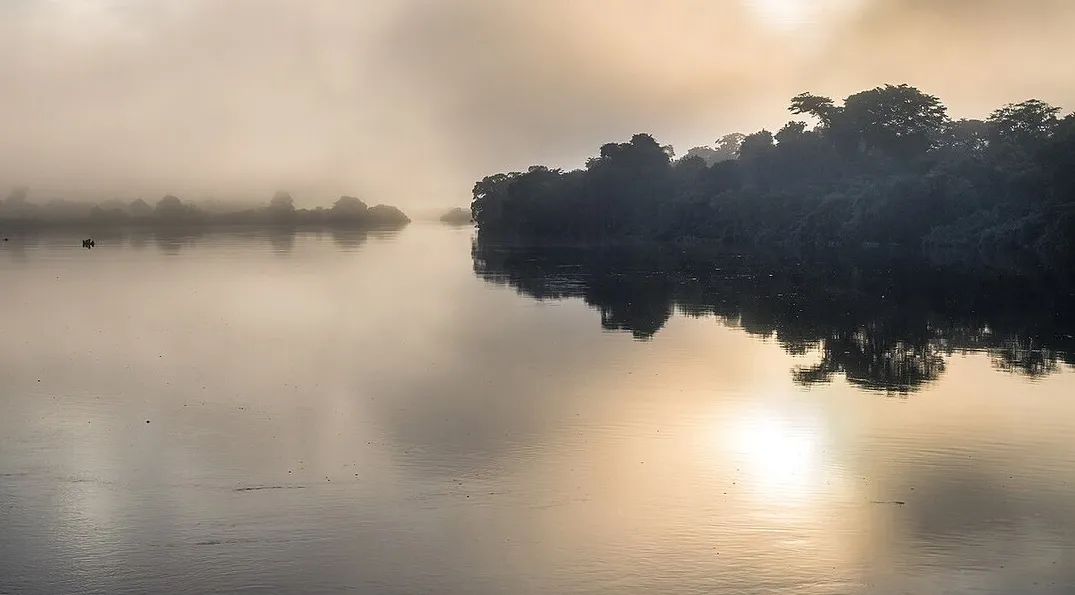
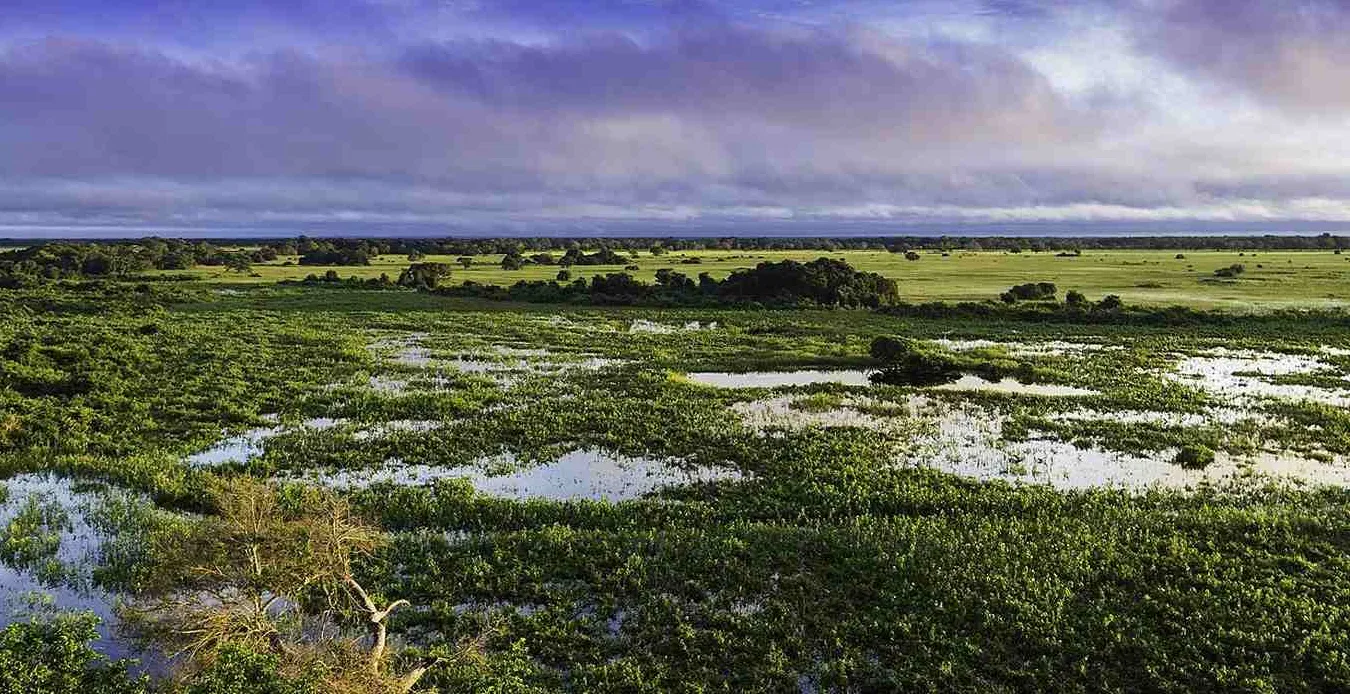
The Pantanal is globally recognized as the world's largest flooded grassland, serving as a sanctuary for thousands of extraordinary species. The newly protected territory provides crucial habitat and safeguard mechanisms for wildlife that depend on delicate wetland dynamics to thrive.
- Mammals: Home to over 236 mammal species, including the tapir, giant otter, giant armadillo, giant anteater, and the largest concentration of jaguars on Earth.
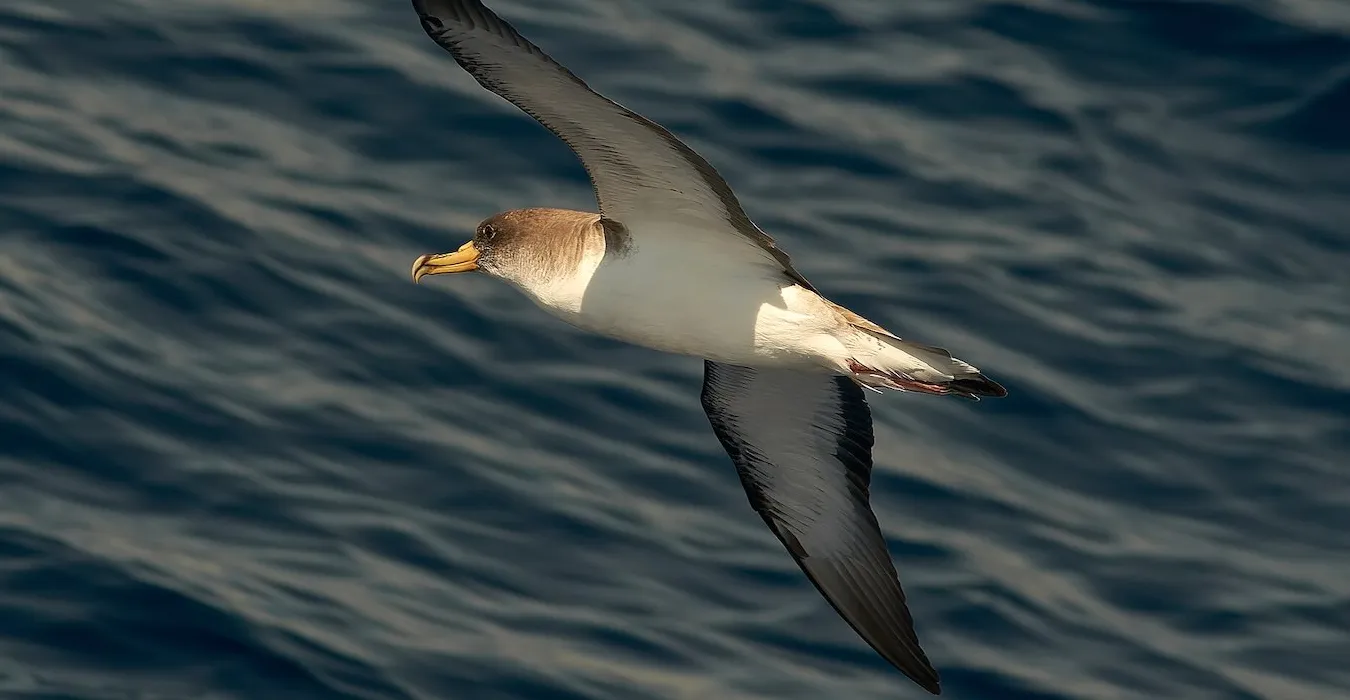
- Avian Diversity: Supports at least 463 species of birds flourishing across the vast waterways.
- Aquatic & Amphibian Life: Encompasses 269 species of fish and more than 100 species of reptiles and amphibians.
Strengthening Biological Corridors and Ecosystem Resilience
The management of this expanded territory is spearheaded by the Chico Mendes Institute for Biodiversity Conservation, which identified key biological corridors necessary for wildlife movement. These corridors allow animals to move safely beyond historic park boundaries, preserving critical genetic diversity among endangered species.
Achieving this expansion involved close consultation and cooperation with local landowners, highlighting how collaborative efforts can achieve meaningful environmental stewardship. Beyond wildlife protection, keeping these lands and feeding rivers intact helps the Pantanal retain its characteristic natural dampness—a vital function that builds resilience against fires and droughts.
Key Takeaways from the Expansion
- Significant Increase: Adds 185 square miles to the national park, boosting the total protected area significantly.
- Corridor Protection: Ensures safe passage and genetic exchange for iconic South American fauna.
- International Legacy: Builds on 33 years of recognition as a wetland of international importance under the Ramsar Convention.

Source: Good News Network