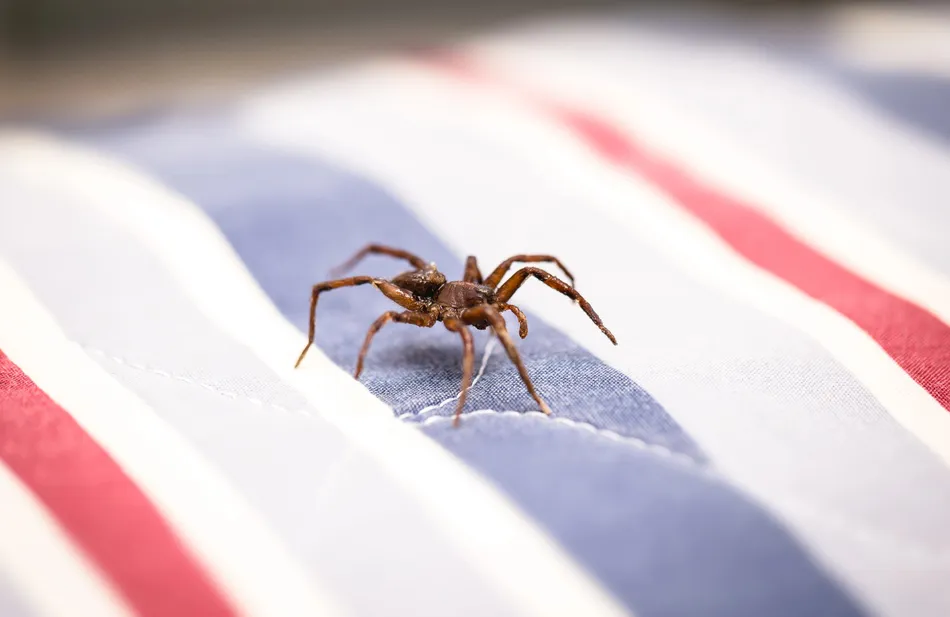
As the leaves turn and evenings grow cooler, many households notice a subtle increase in eight‑legged guests. This seasonal surge is perfectly natural: autumn is the prime mating period for most spider species, and the dropping temperatures prompt them to seek warm, sheltered spots. In the United States, roughly 3,700 spider species exist, but fewer than one percent pose any danger to people. The overwhelming majority are simply minding their own business, quietly contributing to a healthier indoor ecosystem.
Seasonal Behaviors That Bring Spiders Indoors
Two instinctual drives converge as fall arrives. First, the chill encourages spiders to move from exposed outdoor habitats into the comforting warmth of homes. Species such as cellar spiders, wolf spiders, and hobo spiders often slip through tiny cracks or ride in on clothing and boxes. Second, the reproductive cycle is in full swing. Female spiders carry egg sacs and look for safe, undisturbed corners—behind furniture, under closets, or within storage bins—where they can attach silk and protect their future offspring. Together, these motives can make autumn feel like a sudden “invasion,” even though the spiders are simply following nature’s script.
Home Features That Attract Spiders
Beyond the spiders’ own biology, the built environment can either invite or deter them. Common entry points include worn weather‑stripping on garage doors, gaps around foundations, and unsealed window frames. Any opening, however small, serves as an invitation. Inside, cluttered basements, garages, and closets provide the dark, undisturbed niches spiders love. Moreover, a house that hosts other small insects—gnats, flies, aphids, or termites—offers an abundant food source, making it an even more attractive destination.
Exterior conditions matter, too. Piles of rocks, firewood, old boards, or compost left near the house create perfect hideaways. Tree branches that brush windows or overhang the roof act as natural bridges, while crawl spaces packed with boxes become miniature spider highways. Reducing these external shelters helps limit the number of guests that find their way inside.
Friendly Strategies to Manage Autumn Visitors
Simple, proactive steps can make your home less appealing without harming the helpful arachnids. Start by sealing cracks in foundations and ensuring that screens, door sweeps, and garage seals are intact. A quick caulk job around windows and a fresh weather‑strip on the garage door can close many hidden passages.
Next, conduct a mindful sweep of storage areas. Declutter basements, garages, and closets, and store items in sealed plastic containers rather than cardboard boxes. When handling old boxes or boots that have been untouched since winter, wear gloves—spiders may have taken up residence, but they’re harmless and will relocate when conditions change.
If you prefer to coexist with the spiders already present, know that they are natural pest controllers. By preying on flies, mosquitoes, and other insects, they reduce the need for chemical sprays and keep your indoor environment more balanced. Most will naturally disperse as spring returns and outdoor conditions improve.
- Seal entry points: Repair weather‑stripping, caulk foundation cracks, and check window frames.
- Reduce outdoor shelters: Clear rock piles, firewood, and overgrown vegetation near the house.
- Declutter interior spaces: Store items in sealed containers and keep basements and closets tidy.
- Embrace their role: Recognize spiders as allies that control other insects.
Source: The Optimist Daily