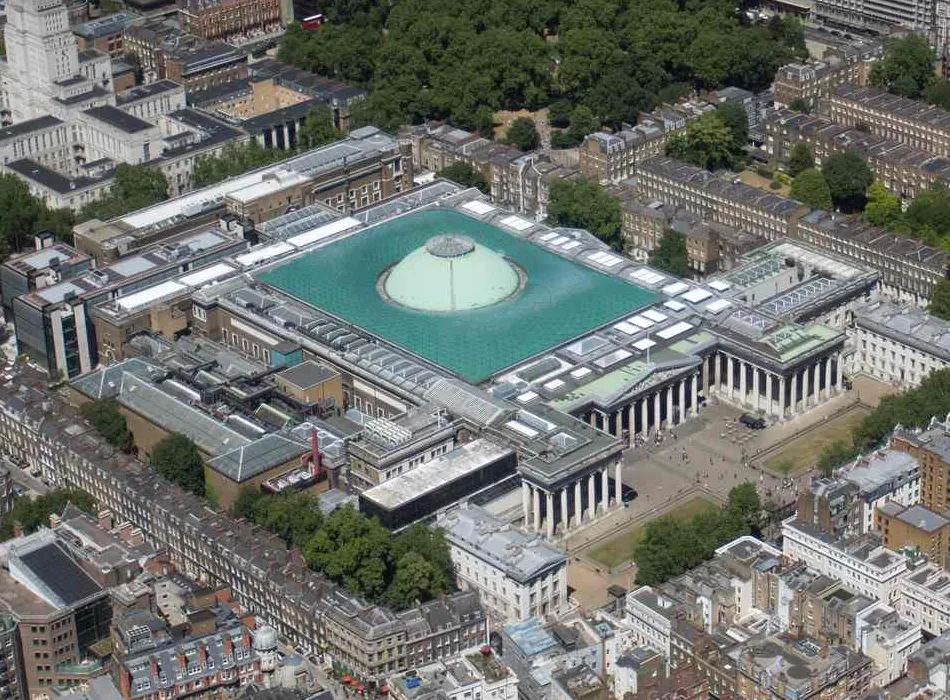
Following months of thoughtful discussions involving government ministries, the vibrant tourism sector, and cultural leaders, a wonderful decision has been reached: the United Kingdom's treasured national museums will continue their 25-year tradition of offering free entry to all international visitors. This inspiring commitment ensures that world-class art, history, and science remain accessible to everyone, near and far.
Preserving Global Access to World-Class Culture
This heartwarming ruling protects 14 of the nation's most renowned cultural institutions, including the iconic British Museum, the magnificent National Gallery, and the awe-inspiring Natural History Museum. Together, these legendary cultural hubs welcome tens of millions of curious minds through their doors every single year, fostering global education and cultural exchange.
The conversation around museum accessibility began following an independent review that explored various funding models used internationally. However, after extensive consultations with community leaders and cultural advocates, the government firmly chose inclusivity over admission fees.
Why Free Museum Entry Matters
The Department for Culture, Media and Sport highlighted several key reasons for maintaining the beloved free-admission policy, which was originally established in 2001:
- Encouraging Domestic Tourism: Keeping doors open for everyone helps prevent any barriers that might deter local and domestic visitors.
- Equitable Benefits: Free admission ensures that the cultural and educational advantages are distributed equally across the entire community and tourism sector.
- Global Inclusivity: Welcoming international guests without financial hurdles reinforces the capital's status as an open and welcoming global cultural capital.
City leaders have warmly welcomed the announcement. The preservation of free access guarantees that these magnificent venues will continue to inspire, educate, and delight future generations, cementing a bright and inclusive future for the nation's cultural landscape.