Urban environments are traditionally dominated by concrete, asphalt, and steel, leaving little room for native flora and fauna. However, a brilliant wave of ecological innovation is sweeping through city centers, proving that concrete jungles can be successfully transformed into vibrant, climate-resilient ecosystems. By reimagining urban waterways, environmental advocates and conservationists are demonstrating how simple, nature-based solutions can heal our cities.
Building Resilience Through Floating Wetlands
Urban centers face mounting challenges from climate change, including severe flooding, rising temperatures, and the loss of local biodiversity. Environmental organizations are tackling these issues head-on by introducing innovative floating wetlands into urban waterways. These engineered floating ecosystems act as natural infrastructure, helping to stabilize water temperatures, absorb excess floodwaters, and drastically improve overall water quality.
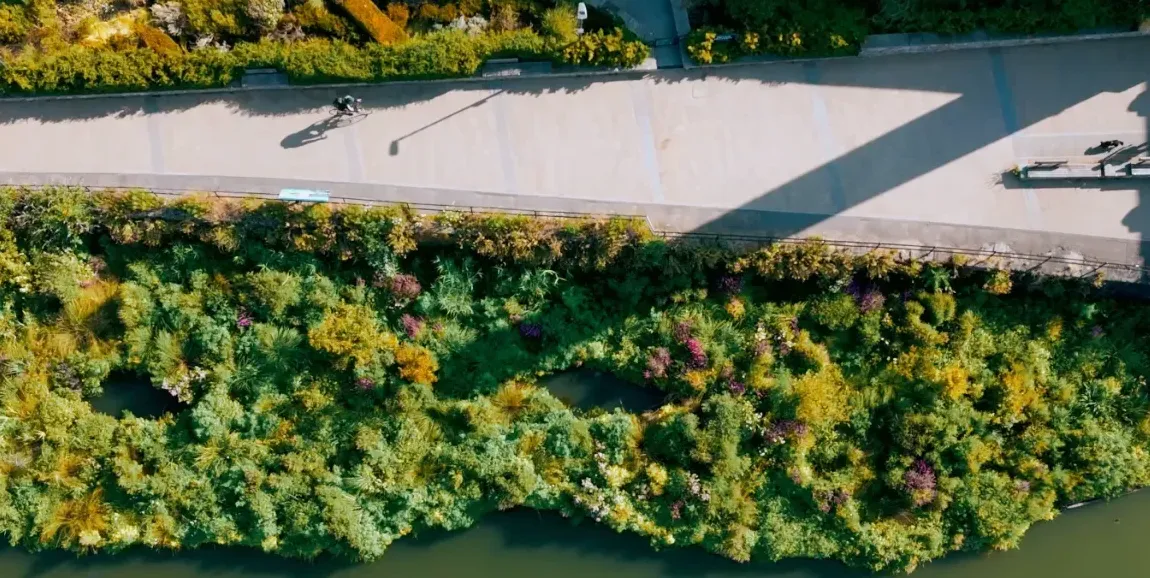
A recent collaborative initiative in a historic harbor brought together conservation volunteers and creative directors to construct two modular floating platforms measuring 100 square meters and 16 square meters. Designed with sustainability at their core, every component of the structure utilized recycled, recyclable, and biodegradable materials—ranging from reclaimed drinking water pipes to natural coconut husks. Buoyant clay pellets were then layered onto the frame to establish a sturdy, secure planting bed filled with more than 20 native plant species.
The Dual Magic of Above and Below Water Conservation
The true genius of these floating gardens lies in their dual-zone impact, benefiting both terrestrial and aquatic life:
- Above the Surface: The lush land-planting system creates a flourishing oasis that attracts vital pollinators like bees and butterflies, while offering a safe, protected haven for nesting birds.
- Below the Surface: As the plants mature, their extensive root systems plunge deep into the water, providing a crucial underwater refuge for marine life, filtering out pollutants, and naturally regulating water temperatures.
The positive impacts of these installations are immediate and heartwarming. Shortly after installation, volunteers witnessed a struggling baby seagull use the custom ramp to climb safely onto the platform, instantly saving its life. Established floating wetlands in the area have already blossomed into thriving ecosystems teeming with families of birds, active insect populations, and thriving fish swimming beneath the structures.
A Scalable Blueprint for Future Cities
Projects like these serve as a powerful reminder that nature is merely waiting beneath the concrete, ready to flourish if given the chance. Because these floating wetland systems are simple, cost-effective, and highly adaptable, they offer an inspiring blueprint that can be easily replicated in harbors, canals, and rivers across the globe. By investing in these creative green solutions, communities are not only beautifying their local landscapes but also building a safer, more biodiverse, and harmonious future for generations to come.