In the high-stakes science of disaster preparedness, the most formidable obstacle is rarely the technology itself. Instead, the ultimate challenge lies in establishing communication infrastructure that reliably reaches every citizen, withstands the chaos of a catastrophic event, and remains continuously maintained over decades. In Indonesia, an innovative collaboration between disaster researchers is proving that the ideal solution may already exist in plain sight—broadcast five times a day through the nation's community loudspeakers.
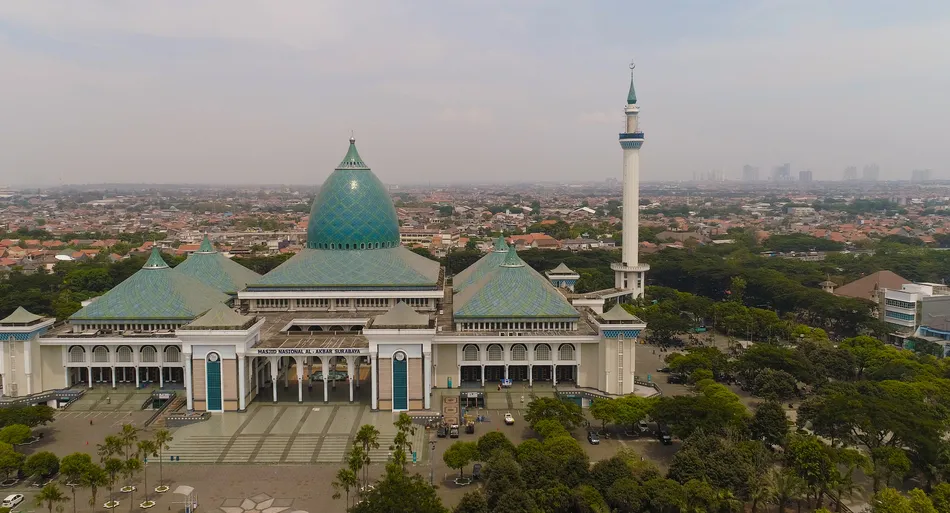
Indonesia is home to hundreds of thousands of neighborhood mosques, virtually all equipped with powerful audio systems designed to project across entire towns and rural hamlets. Now, an ambitious five-year pilot initiative running through 2030 is transforming these familiar civic fixtures into rapid-response earthquake alarm systems. By linking existing audio equipment directly to advanced seismic sensor networks, researchers are creating an alert network capable of sounding warning sirens moments before destructive tremors strike.
The Strength of Community-Powered Infrastructure
The concept emerged from decades of field research observing the tragic aftermath of major seismic events. While modern emergency planning heavily favors digital solutions such as cellular push notifications, conventional mobile phone networks remain deeply vulnerable to sudden infrastructure damage, power outages, and immediate cellular traffic congestion during an earthquake. In contrast, neighborhood loudspeakers provide unique, community-tested resilience.
Experts point to several decisive advantages that make community audio systems ideal for disaster risk reduction:
- Continuous Operation: Because the equipment is used multiple times each day for daily community broadcasts, hardware failures and electrical faults are identified and resolved immediately rather than going unnoticed.
- Deep Community Trust: Alerts broadcast from familiar civic and cultural institutions carry immediate authority, prompting faster public reactions than alerts from unfamiliar automated channels.
- Universal Reach: Loud acoustic signals instantly reach everyone within earshot, including children playing outdoors, the elderly, and individuals without immediate access to smartphones.
- Decentralized Resilience: Grounded within local neighborhoods, these stations function reliably even when municipal communication backbones experience disruption.
Customizing Survival Guidance for Local Architecture
Early earthquake warning systems operate on an entirely different timeline than tsunami alerts. While coastal tsunamis build over minutes or hours, allowing time for orderly evacuations to higher ground, subterranean seismic shockwaves travel at immense speeds. A settlement situated just 30 miles from an earthquake's epicenter may receive merely five to ten seconds of advance notice. In that sliver of time, knowing precisely what action to take makes the difference between life and death.
Standard international safety protocols typically advise people to "drop, cover, and hold on" beneath sturdy furniture. However, disaster specialists emphasize that generic safety advice often fails when applied globally without regard to local building standards. While staying indoors works well inside steel-reinforced structures, many residential homes in developing regions feature unreinforced masonry that can collapse under sudden lateral stress.
To ensure warnings save rather than endanger lives, researchers are pairing the audio alert system with rigorous structural simulations. By studying how regional buildings actually perform under stress, engineers are crafting hyper-localized safety recommendations. In many village settings, the safest reflex during a five-second warning is to step directly into open courtyards rather than sheltering beneath collapsing masonry.
Inspiring a Global Shift in Civic Preparedness
The success of repurposing community speakers is already inspiring similar humanitarian safety initiatives across the globe. Emergency authorities in Uzbekistan have launched a parallel initiative across hundreds of local community centers to safeguard remote valleys from flash floods, mudslides, and avalanches. International development agencies highlight that integrating early warnings into trusted civic institutions bridges the gap between scientific alerts and actual human behavior.
While teams in Indonesia continue integrating secondary alert layers across schools, radio stations, and regional broadcasts, the daily voice of the neighborhood remains the backbone of the initiative. By uniting modern seismology with existing civic life, this practical innovation proves that the most resilient safety networks are often built from the community bonds already in place.