Imagine the day when astronauts on the Moon can effortlessly video call their children back on Earth, chatting just as clearly as if they were walking down the street. This inspiring vision is moving closer to reality as a groundbreaking partnership works to bring standard 4G connectivity to the lunar surface. Designed to prepare for a sustainable, semi-permanent human presence on the Moon, this outer-space network promises to dramatically streamline communications while lowering the costs of off-world missions.
Building a Lunar 4G Network
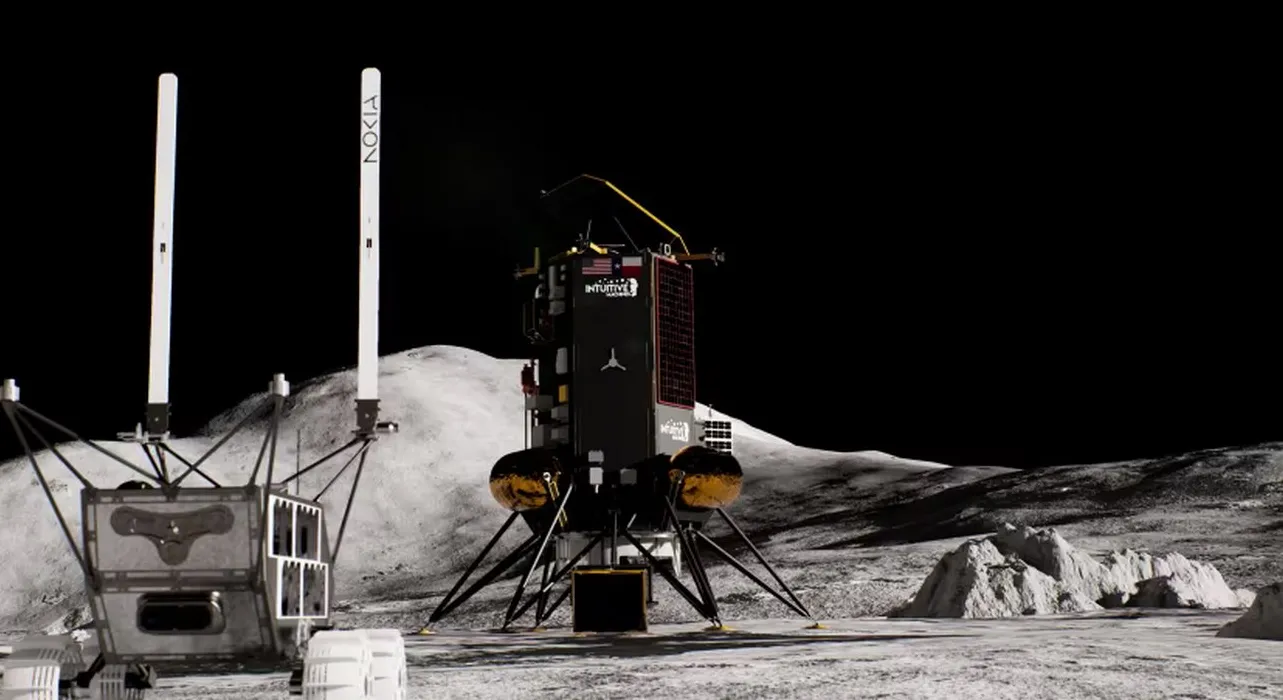
To make this ambitious project a reality, a specialized cellular device has been constructed using a clever combination of durable, off-the-shelf components. The technology is set to journey into space aboard a rocket, heading toward the lunar surface via an advanced landing craft. Once deployed, the system will connect the lander using specialized radio equipment to two exploratory rovers tasked with searching the lunar terrain for water ice.
This initiative represents a brilliant fusion of commercial innovation and space exploration. Supported by funding originally awarded in 2020, engineers tackled unique challenges to create space-qualified equipment that strictly adheres to size, weight, and power limits while remaining capable of deploying completely autonomously without the need for an on-site technician.
- High-Resolution Streaming: Moving beyond traditional radio telecom systems to support video feeds and heavy scientific data.
- Family Connections: Enabling astronauts to maintain regular, personal contact with loved ones on Earth.
- Resource Discovery: Supporting robotic rovers in scouting vital resources like water ice for future base camps.
Paving the Way for a Sustainable Space Economy
The broader mission to return humanity to the Moon is focused on establishing a permanent foothold, and reliable communication is the backbone of any thriving economy. The rovers accompanying the cellular device are not only conducting scientific research but also assessing water ice as a practical resource for a future lunar base. Through electrolysis, this water could eventually provide breathable oxygen, drinking water, and even spacecraft fuel, drastically reducing the need for costly resupply missions from Earth.
Furthermore, the innovations developed for the harsh conditions of space are expected to yield incredible benefits back home. Telecommunication experts believe that networks tough enough to endure the extreme environment of the Moon will easily transfer to Earth's most challenging regions, such as remote deserts and polar ice caps.
A Giant Leap for Telecommunications
As humanity looks toward a collaborative, multi-planetary future, extending familiar digital infrastructure into space marks a monumental milestone. If the upcoming mission succeeds, the rovers will transmit high-resolution video and stunning imagery of their discoveries straight to Earth via the new lunar network—delivering a world-first achievement that bridges the cosmic distance between our home planet and the stars.