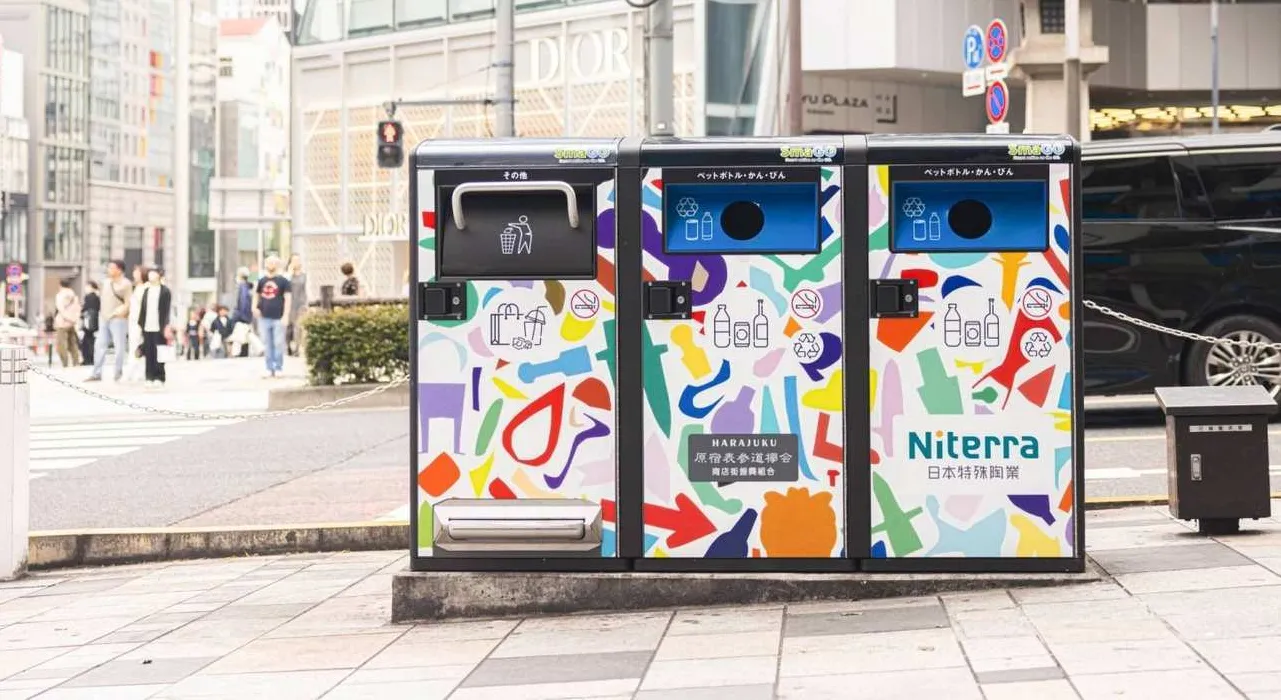
Tokyo, a global hub of innovation and precision, is redefining urban sanitation with a bold new approach to waste management. For decades, visitors to Japan have been puzzled by the near-total absence of public trash bins, a policy rooted in security concerns and a cultural philosophy that encourages individuals to carry their waste until they can dispose of it properly. While this method has kept streets remarkably clean, it has become a significant inconvenience for the millions of tourists who visit the country annually. Now, a new generation of smart, robotic waste solutions is emerging to bridge the gap between civic pride and practical hospitality.
The Evolution of Urban Waste Management in Japan
The decision to remove public waste bins from major cities like Tokyo and Kyoto was not made lightly. Municipal officials cited security risks, such as the potential for bins to be used to conceal hazardous materials, as well as the high cost of frequent collection and the tendency for bins to overflow in high-traffic areas. This strategy, known as 'zero-waste' public spaces, relied on the assumption that if disposal was difficult, people would generate less waste. However, as tourism surged in recent years, the limitations of this approach became apparent. The lack of convenient disposal options led to littering in some areas and frustration among visitors who were unaware of the local customs.
In response, city officials have begun partnering with technology firms to introduce smarter alternatives. These new systems are designed to address the specific pain points of traditional bins: overflow, labor-intensive collection, and security concerns. By leveraging technology, Tokyo is not only solving a logistical headache but also enhancing the visitor experience while maintaining the high standards of cleanliness that Japan is renowned for.
Smart Technology Meets Civic Responsibility
At the forefront of this innovation are two distinct technological approaches: solar-powered compactors and autonomous robotic bins. Each offers unique advantages tailored to different urban environments, demonstrating how technology can be used to support, rather than replace, civic culture.
Solar-Powered Compactors: Efficiency and Transparency
One prominent solution is the SmaGO bin, a solar-powered waste compactor developed in the United States and installed in various locations across Japan by Forcetec. These bins are engineered to compact waste every five minutes, allowing them to hold up to five times more trash than a standard non-compacting bin. This significant increase in capacity means that collection trucks need to visit less frequently, reducing both the environmental footprint of waste collection and the associated labor costs.
Furthermore, the SmaGO bins are equipped with advanced communication features. Operators can monitor the fill level of each bin in real-time via an online dashboard. This data-driven approach allows for optimized collection routes, ensuring that bins are emptied just before they reach capacity. Rina Ogata, a spokesperson for Forcetec, explains, “There are many places that recognize the need for trash bins but hesitate to install them because they’re worried the bins will overflow or because of the labor required to collect the rubbish. You can install SmaGO and reduce the frequency of rubbish collection. The communications function also allows operators to check online how full each bin is, so they can make collections more efficiently before the bins reach capacity.”
The deployment of these bins has been supported through corporate hometown tax programs and sponsorships, highlighting a collaborative effort between the private sector and local governments to improve public infrastructure.
Robotic Bins: Autonomy and Security
Another innovative solution comes from Cartken, a California-based firm that has introduced 40-liter robotic trash bins to key tourist areas in Tokyo. These autonomous units are equipped with sensors that monitor their internal volume. When a bin reaches a predetermined fill level, it autonomously drives itself out of public view to a designated collection point for emptying. This self-collection feature eliminates the need for manual intervention in high-traffic areas, reducing the risk of overflow and enhancing security by preventing unauthorized access to the waste compartment.
The adoption of these robotic bins has been particularly notable at Shinjuku Station, one of the busiest train stations in the world. Early surveys on consumer acceptance have been overwhelmingly positive, with visitors appreciating the convenience and the sleek, modern design of the units. Contrary to concerns that automation might eliminate jobs, these robotic solutions are actually creating new opportunities in the sanitation sector. As traditional manual collection jobs have been phased out, the maintenance, monitoring, and management of these smart systems are generating new roles, ensuring that the workforce remains engaged in the city’s cleanliness efforts.
A Model for Global Urban Innovation
Tokyo’s approach to waste management offers a compelling blueprint for other cities grappling with similar challenges. By integrating technology with civic responsibility, the city is demonstrating that modernization does not have to come at the expense of cultural values. Instead, it can enhance them, making public spaces more accessible and user-friendly for both residents and visitors.
- Increased Capacity: Smart bins like the SmaGO can hold up to five times more waste than traditional bins, reducing the frequency of collection.
- Real-Time Monitoring: Digital connectivity allows for data-driven decision-making, optimizing collection routes and preventing overflows.
- Autonomous Operation: Robotic bins can collect themselves, reducing labor costs and enhancing security in high-traffic areas.
- Positive Public Reception: Early feedback from consumers and tourists has been favorable, indicating a successful blend of innovation and user experience.
As Tokyo continues to refine these systems, the city is poised to set a new standard for urban sanitation. The success of these initiatives suggests that with the right combination of technology, policy, and community engagement, cities can maintain their cleanliness standards while becoming more welcoming to the global community. This proactive stance not only addresses immediate logistical issues but also reinforces Japan’s reputation as a leader in sustainable and innovative urban living.
The journey from a 'no-bin' policy to a 'smart-bin' strategy reflects a broader shift in how cities approach public infrastructure. It is a testament to the power of adaptive governance and the willingness to embrace new technologies that serve the public good. As other cities around the world look to Tokyo for inspiration, the potential for widespread adoption of these solutions is immense. The result is a cleaner, more efficient, and more enjoyable urban environment for all.

Source: Good News Network