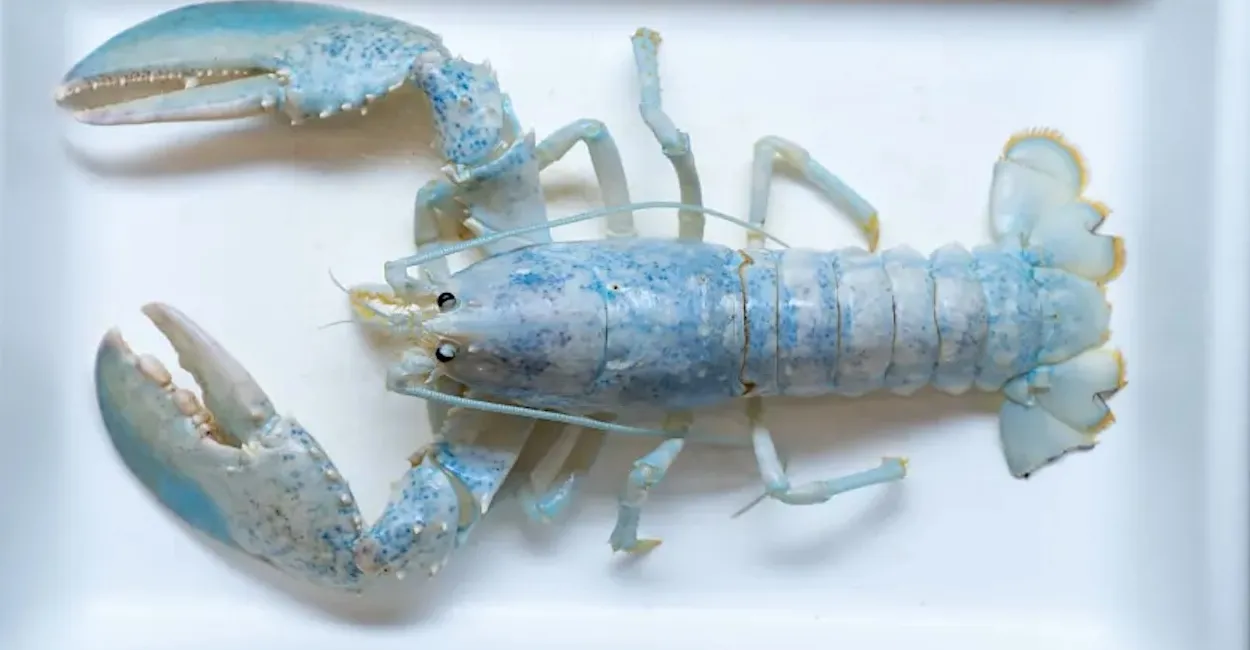
An extraordinarily rare 'ghost' lobster, with odds of discovery standing at a staggering 1 in 100 million, has found a new home at a university marine science center just in time for the spooky season. Affectionately named 'Casper,' this striking white crustacean was generously donated by the Maine State Aquarium to the University of New England, where it will embark on an important educational and scientific journey.
Unlocking the Secrets of Marine Genetics
Casper is not just settling into a comfortable new habitat; the unique crustacean is contributing valuable DNA to a pioneering study focused on understanding the genetic causes behind rare lobster colorations. The university's marine science center has previously welcomed an array of uniquely colored sea-dwellers, including orange, blue, yellow, purple, calico, and split-colored specimens.
Led by Markus Frederich, Ph.D., professor of marine sciences, the research program employs entirely noninvasive methods. This ensures that the genetic material is collected and analyzed safely without causing any harm or injury to the animals.
- Noninvasive Research: Genetic material is safely gathered without stressing or injuring Casper and other rare lobsters.
- Comprehensive Analysis: Researchers are examining over 15,000 genes to pinpoint the biological mechanisms behind shell coloration.
- Hereditary Insights: Previous specimens, such as an orange lobster named Peaches, have even produced offspring, offering clues into how these vibrant traits are passed down through generations.
The Wonder of Marine Biodiversity
While animals like Casper instantly captivate the public imagination with their ethereal beauty and striking appearance, they also serve as a gateway to deeper scientific discovery. Researchers emphasize that these extraordinary specimens provide a wonderful platform to ask fundamental biological questions and expand our understanding of marine life.
The collaborative effort—featuring contributions from dedicated alumni and passionate researchers—continues to shed light on the mysteries of the ocean, turning moments of rare discovery into invaluable educational milestones.