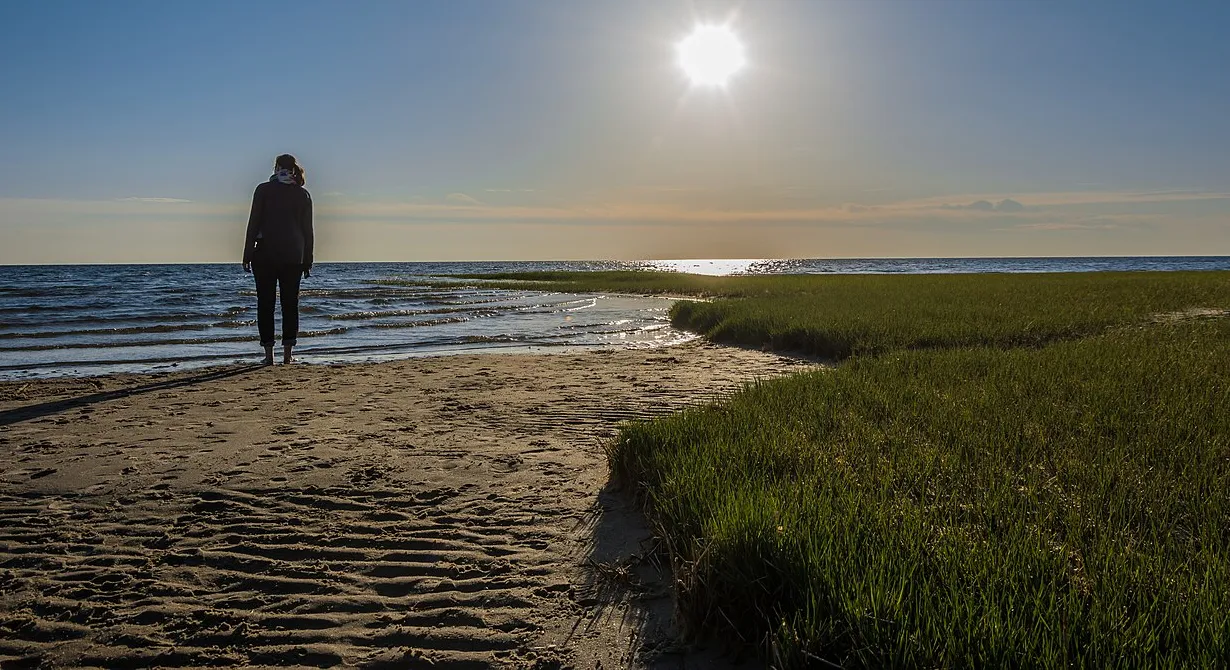
In a historic step toward healing and cultural preservation, more than 126 acres of coastal salt marsh and natural habitat in Eastham, Massachusetts, have been officially returned to Indigenous ownership. Situated along the scenic shores of Cape Cod, this land transfer marks a powerful milestone over four centuries after European settlers first arrived in the region.
The newly returned property connects directly with an adjacent 20.4-acre parcel acquired earlier in the year, forming a unified, protected wildlife expanse overlooking historic First Encounter Beach. For local tribal communities, the movement represents far more than land acquisition—it is a vital restoration of deep ancestral bonds that span more than 12,000 years.
Honoring History and the Land-Back Movement
The area surrounding First Encounter Beach carries profound historical significance. In December 1620, Cape Cod was the site of the initial meeting between Mayflower colonists and the local Nauset warriors. For generations, the full context of these early encounters was overshadowed, but today's land return offers an inspiring opportunity to honor the true history of Indigenous stewardship and resilience.
Key highlights of this monumental land restoration include:
- Ancestral Reconnection: Indigenous communities are regaining stewardship over sacred coastal grounds where their ancestors lived, protected families, and cared for the ecosystem.
- Expanding Protected Sanctuaries: With this addition, Indigenous-led conservation efforts now oversee more than 20 properties totaling several hundred acres across Massachusetts, including protected sites on Martha's Vineyard and in Plymouth.
- A Model for Conservation: The transfer highlights a growing national movement where environmental organizations and landowners collaborate to restore ancestral lands to Native governance.
Ecological Restoration and Traditional Stewardship
Beyond its rich cultural heritage, the property serves as a vital sanctuary for coastal wildlife. The salt marsh and surrounding uplands provide essential habitat for vulnerable species, including diamondback terrapins that nest along the coastal bluffs. In honor of this wildlife, the neighboring property was named T8nupâhs Uwatuhshât, which translates to "at the turtle's nest" in the Wôpanâak language.
Under Indigenous leadership, the land will be managed through a balance of permanent conservation and traditional ecological practices. Community plans focus on removing invasive plant species, restoring native flora for traditional and ceremonial uses, and maintaining sustainable activities such as local aquaculture.
Looking Ahead to a Sustainable Future
Founded in 2012, the Native Land Conservancy operates as the first Indigenous-led land trust east of the Mississippi River. Guided by an inclusive board representing diverse tribal backgrounds, the organization works tirelessly to preserve natural ecosystems for all living things while creating welcoming spaces for Native families to gather, forage, fish, and celebrate their heritage.
This historic return ensures that the vibrant coastal landscapes of Cape Cod will remain protected, cherished, and guided by the wisdom of the land's original caretakers for generations to come.

Source: Good News Network