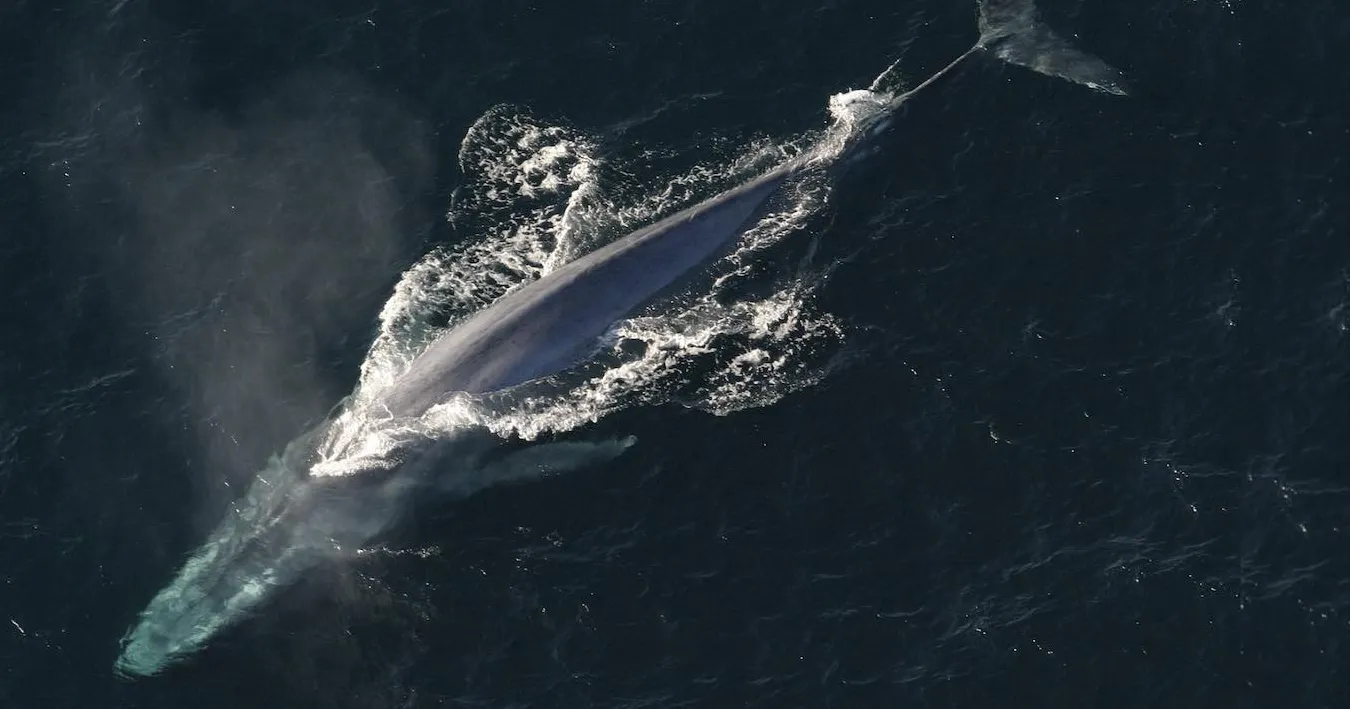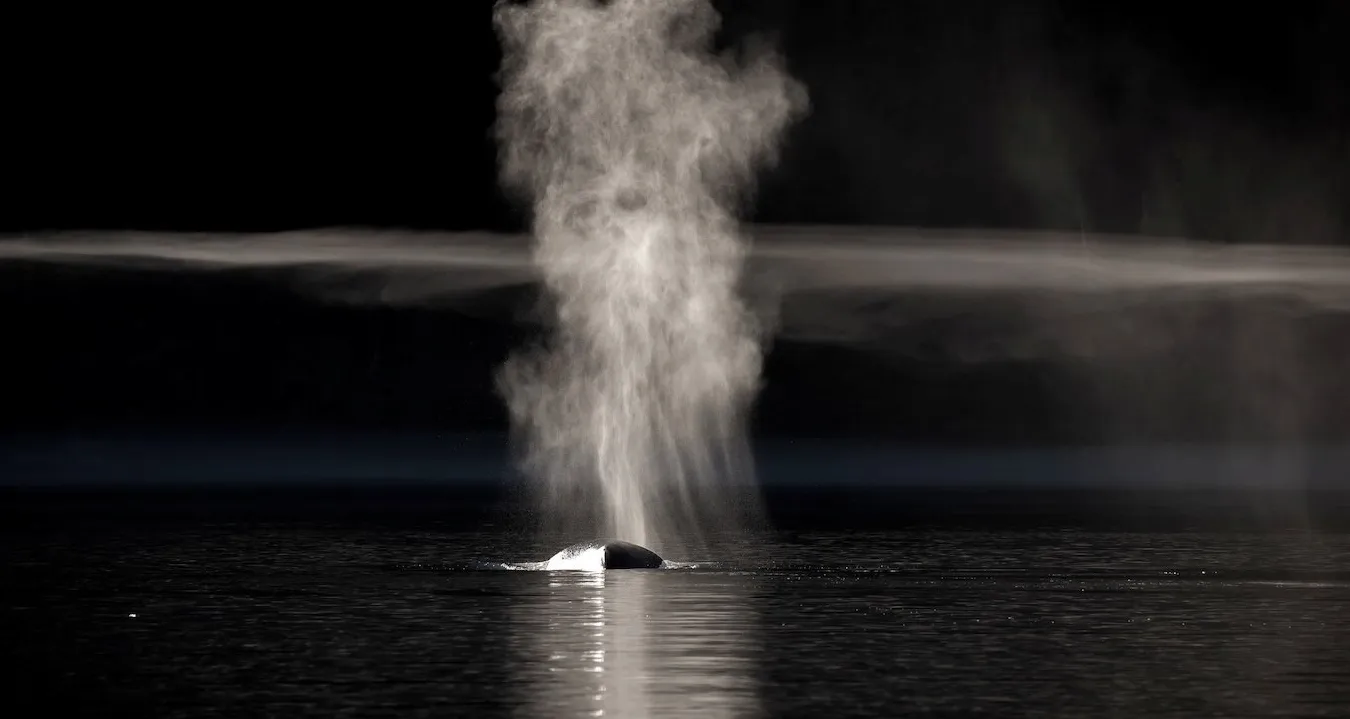
The exhale from a whale’s blowhole has been captured by drones, and applied to dispatch the genome sequencing of one of the sea giants for the outset clock.
Researchers from the University of St. Andrews in Scotland were part of an international squad to sequence a whole genome using samples from whale hint collected by a small aerial drone.
It marks the first time sequencing has been completed without the use of physical interventions—commonly using darts and biopsies collected by boat, which disturbs the animals, or from stranded mammals or historical specimens.
In some places and for some species this isn’t possible.
Yet, genomic data is “critical” for conservation, enabling researchers to measure population health, genetic diversity and inbreeding, as well as to identify individuals for “mark-recapture” studies, determine sex, and estimate population size.
To overcome the collection challenge, the team attached sterile petri dishes to a small drone. (See below…)
They flew it through the exhaled breaths of one humpback whale at a time, which typically has one to six breaths per surfacing.
They collected 58 blow samples from 26 individual humpback whales in the Kitimat Fjord System in northern British Columbia, Canada.
Around 84% of the DNA in the blow came from the whale itself.
Repeat samples from the same whales, collected in different encounters and across two years, gave matching genomes—with the most upwind whale in a group targeted, to avoid mixing DNA from different animals.
More than a third of samples required no boat at all—only flying the drone directly from land.
Before the new study, only one North Pacific humpback’s whole genome had ever been publicly available.
After collection, DNA was sequenced to produce low-coverage nuclear genomes—inherited from both parents—and high-coverage mitochondrial genomes, inherited just from the mother.
The research team also discovered genetic diversity estimated from blow was very similar to estimates from traditional biopsies—with this particular population showing no evidence of inbreeding beyond a shared ancestry or past population bottlenecks.
MORE WHALE NEWS: • This Blue Whale Population Grew 1,000% Since End of Antarctic Whaling • 4 Beluga Whales from Shuttered Canadian Park Arrive at Chicago’s Shedd Aquarium After Rescue (LOOK)
“We will use these blow-derived genomes to assess kinship and family ties among humpback whales foraging in northern British Columbia,” said lead researcher Dr. Éadin O’Mahony.
“The aim is to understand how their mixer bonds form: are the whales that forage together family, or long-term friends?
“The drone-captured genetic analyses correctly determined every whale’s sex and also found three previously undescribed mitochondrial DNA variants.
“Blow from whales swimming in groups showed no sign of contamination from neighboring whales. This confirms the blow-derived data behave just like conventional genomic data.”
The findings, published in the journal Molecular Ecology Resources, also showed that around 16% of the DNA in each blow sample comes largely from the microbes living in the whale’s airways.
“This means a single breath could tell us about both the whale and its respiratory microbiome, a potential window into health.”
SHARE THE WHALE-OF-A-GOOD STORY With Ocean Lovers on Social Media…


Source: Good News Network

Comments (0)
No comments yet. Be the first to share something nice!
Related Articles