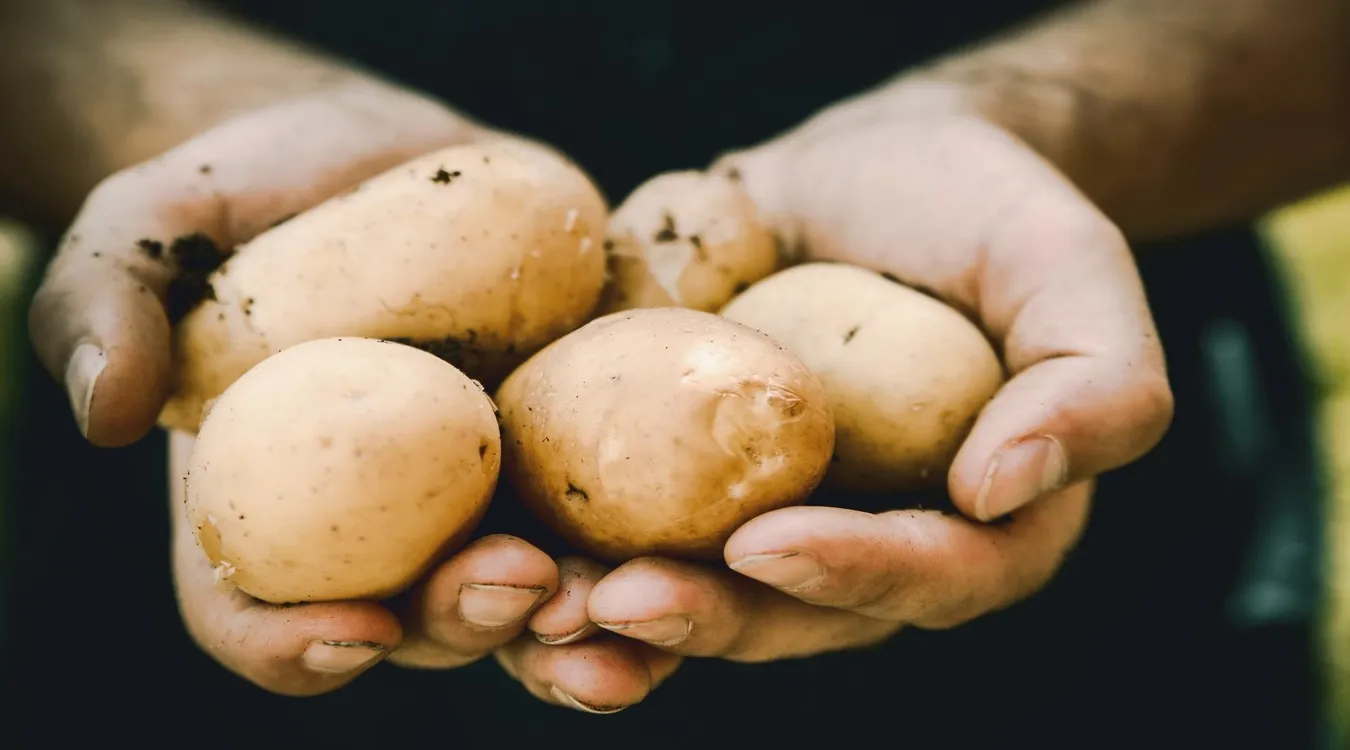
Amid a challenging year for global agriculture marked by extreme summer heat, Japan's northern island of Hokkaido has achieved its best potato harvest in over a decade. The remarkable yield serves as a bright spot for sustainable agriculture, demonstrating how favorable microclimates and ideal growing conditions can produce exceptional harvests even during periods of broader climate uncertainty.
Ideal Climate Conditions Drive Record-Breaking Spud Yields
Hokkaido, which accounts for roughly 80 percent of all potatoes grown in Japan, experienced an optimal blend of moderate temperatures and well-timed rainfall throughout the growing season. In sharp contrast to the previous year, the island's capital of Sapporo logged only four days exceeding 86°F (30°C), compared to sixteen extreme heat days the summer prior.
This swift transition to cooler autumn weather provided ideal development conditions for the tubers. The gentle weather pattern allowed the potatoes to form denser, more uniform shapes while ensuring the ground remained firm enough for harvesting machinery to operate efficiently without compacting or damaging the soil.
Core takeaways from this season's successful harvest include:
- Optimal Growing Temperatures: A significant decrease in extreme heat days allowed crops to mature steadily and naturally.
- Enhanced Storage and Quality: Timely autumn cooling resulted in denser tubers with improved shelf life and durability.
- Low Disease and Pest Pressure: The absence of heavy rainfall deluges protected fields from flooding, waterborne pathogens, and agricultural pests.
- Superior Soil Conditions: Firm, dry soil conditions facilitated smooth machinery movement across fields during harvesting operations.
Sustaining Local Food Production and Future Resilience
While rising temperatures and extended dry spells posed significant challenges to traditional agricultural powerhouses across the Northern Hemisphere, Hokkaido emerged as a standout success story. Major potato processors in the region report reaching full supply quotas of 250,000 tons of locally grown potatoes, ensuring a steady supply for consumers and food manufacturers alike.
The successful harvest marks a dramatic turnaround from the previous year's unpredictable weather patterns. This historic spud season underscores the remarkable adaptability of regional ecosystems and offers an inspiring example of agricultural bounties flourishing when climate conditions align.

Source: Good News Network