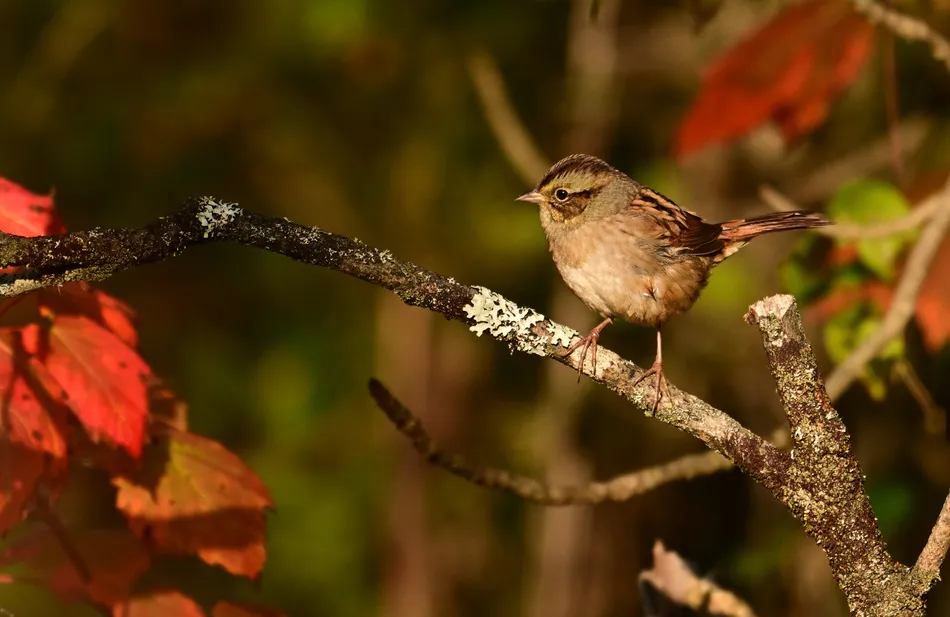
If you have ever caught a flash of movement in the branches in early October—something small, unfamiliar, and entirely different from your usual backyard regulars—there is a strong chance it was a migrating bird passing through in search of a safe resting place. Tens of millions of birds travel across the country every autumn, flying by night and landing wherever they can find sustenance when their fat reserves run low at dawn. While most yards have very little to offer these weary travelers, a few simple, thoughtful changes can turn your outdoor space into a vital sanctuary.
Experts in ornithology note that supporting migrating wildlife does not have to be complicated. Some adjustments take only a few minutes, while others simply require holding off on seasonal chores you may have already planned. By creating an inviting, nourishing environment, you can offer these incredible animals the helping hand they need on their remarkable journeys.
Plant Native Trees and Shrubs for Fall Food Sources
If you are planning to add new greenery to your yard this season, let local wildlife guide your choices. Native fruiting trees and shrubs provide migrating and resident birds with the exact nutrition they need as wild food sources begin to dwindle. Highly beneficial options include flowering dogwoods, elderberry, viburnum, flowering crabapples, holly, spicebush, wild grapes, and wild cherry trees.
Many of these plants are readily available at local nurseries, making it easy to establish them in the ground or in containers. Not only do they offer immediate help, but a healthy native shrub will continue producing vital food year after year, transforming corners of your yard into bustling hubs of natural activity.
Embrace Natural Gardening by Leaving Spent Flowers Standing
It is often tempting to tidy up flower beds completely during the autumn months, but holding off on this cleanup can make a tremendous difference. The seed heads on spent flowers serve as crucial food sources, becoming a central part of the autumn diet for goldfinches, juncos, and various species of sparrows as other resources dry up.
- Joe-pye weed: Produces abundant seeds favored by local songbirds.
- Goldenrods and asters: Act as late-season magnets for pollinators and seed-eating birds alike.
- Wild sunflowers: Provide energy-rich nourishment just as temperatures begin to drop.
Leaving a patch of native wildflowers standing through the colder months creates a thriving natural feeding station right in your own backyard.
Add Moving Water to Attract Diverse Species
While a standard birdbath is wonderful in the summer, it may not catch the attention of all the diverse species moving through in the autumn. Many migrating birds, such as warblers and vireos, do not eat seeds or fruit at all, making fresh water their primary draw. Furthermore, migrants are specifically attracted to water that moves rather than sits completely still.
You do not need to install an elaborate permanent fountain to make an impact. Simple DIY additions, such as a dripper or a small solar-powered pump placed in an existing birdbath, create the gentle ripples and sounds that immediately catch the eye of passing travelers.
Build a Cozy Brush Pile for Protection
Before sending your yard waste off to the curb, consider repurposing fallen branches, sticks, and garden debris in a quiet corner of your property. A loose brush pile offers immediate protective cover from predators for sparrows, towhees, blackbirds, and buntings, while also attracting spiders and other invertebrates that birds love to forage for.
Even a modest, carefully placed pile can provide incredible benefits. Year-round residents like Carolina wrens will utilize the dense cover constantly, rewarding your conservation efforts with lively, cheerful songs throughout the season.
Protect Migratory Birds by Keeping Cats Indoors
Domestic cats allowed to roam freely outdoors unfortunately pose a significant threat to songbird populations, particularly during peak migration periods when birds are exhausted and unfamiliar with their surroundings. Keeping pet cats indoors during spring and autumn migration windows safeguards local wildlife while also protecting your feline companions from outdoor hazards such as traffic and disease.
Create Safer Windows and Lighting Conditions
Beyond providing food and shelter, you can make your home environment much safer by addressing reflections and nighttime lighting. Windows can present hidden hazards when birds mistake reflected trees and sky for open air. Applying UV-reflective dots, stripes, or exterior strings spaced a few inches apart helps break up these reflections.
Additionally, turning off unnecessary outdoor lights at night prevents migrating birds from becoming disoriented during their nocturnal journeys. By taking these small steps, you help ensure that the wildlife passing through your neighborhood can continue their epic journeys safely and successfully.