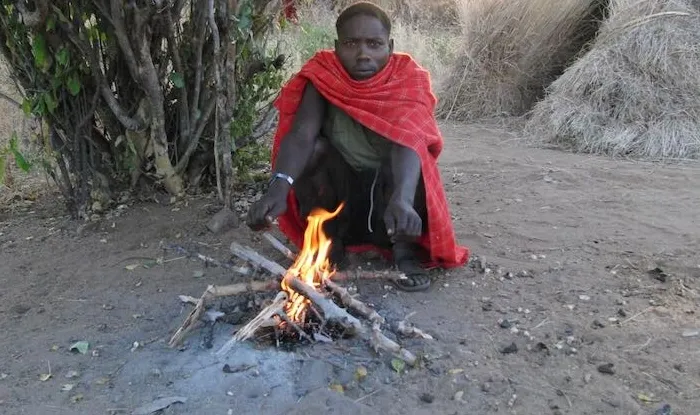
In an era dominated by screens, artificial lighting, and high-stress daily schedules, restful sleep can often feel like an elusive luxury. Many modern individuals struggle with insomnia, restless nights, and the pressure of achieving an uninterrupted eight-hour block of slumber. However, looking back at our evolutionary roots reveals a completely different perspective on rest. By studying the sleep habits of the world's last remaining hunter-gatherer societies, researchers are uncovering ancient wisdom that can help transform our modern bedtimes into peaceful, natural experiences.
The Evolutionary Secret to Restful Nights
When sleep scientists interviewed members of traditional hunter-gatherer communities—such as the Tsimane in Bolivia, the San in the Kalahari, and the Hadza in Tanzania—they discovered something fascinating. When asked in their native languages if they ever experience "trouble sleeping," these indigenous populations had difficulty even understanding the concept.
Sleep has been evolutionarily conserved across nearly every lifeform on Earth, from the most ancient organisms to complex mammals. Nature has preserved this vital state because it is essential for survival and restoration. Humans are biologically equipped with the neurological tools to sleep soundly, even in challenging and rugged environments. Understanding the natural triggers that guide ancient sleep cycles can empower sleep-challenged readers to step outside conventional modern habits and embrace a more harmonious approach to rest.
Core Takeaways for Better Sleep from Our Ancestors
By examining how traditional societies interact with their natural environment, researchers have identified several key practices that anyone can adopt to improve their nightly rest:
- Embrace Natural Light: Hunter-gatherer sleep cycles are heavily influenced by natural light. To align your circadian rhythms, step outside for natural sunlight immediately upon waking, and dim your household lights as evening approaches to signal your brain that it is time to wind down.
- Optimize Your Bedroom Temperature: Temperature plays a massive role in regulating sleep. Non-industrialized societies often experience their deepest sleep as temperatures drop through the night, waking naturally in the pre-dawn chill. You can replicate this by lowering your thermostat at night or opening a window for fresh air.
- Prioritize Meaningful Connection: After dark, hunter-gatherers naturally transition into social activities, spending time with family and community rather than working. Disconnecting from work emails and digital tasks in the evening helps quiet an active mind.
- Let Go of Sleep Anxiety: Interestingly, traditional societies actually sleep slightly less and wake up more often during the night than modern city-dwellers. The crucial difference is that they do not stress about it. Release the anxiety of needing uniform, uninterrupted hours, and let your body find its natural rhythm.
Redefining a Good Night's Rest
Ultimately, one of the greatest lessons from our ancestors is the power of acceptance. When we stop viewing occasional night waking as a catastrophic failure and instead accept it as a normal part of the human sleep cycle, the anxiety surrounding bedtime fades. By blending ancient environmental cues with a more relaxed mindset, achieving deep, restorative sleep becomes an attainable and natural part of daily life.