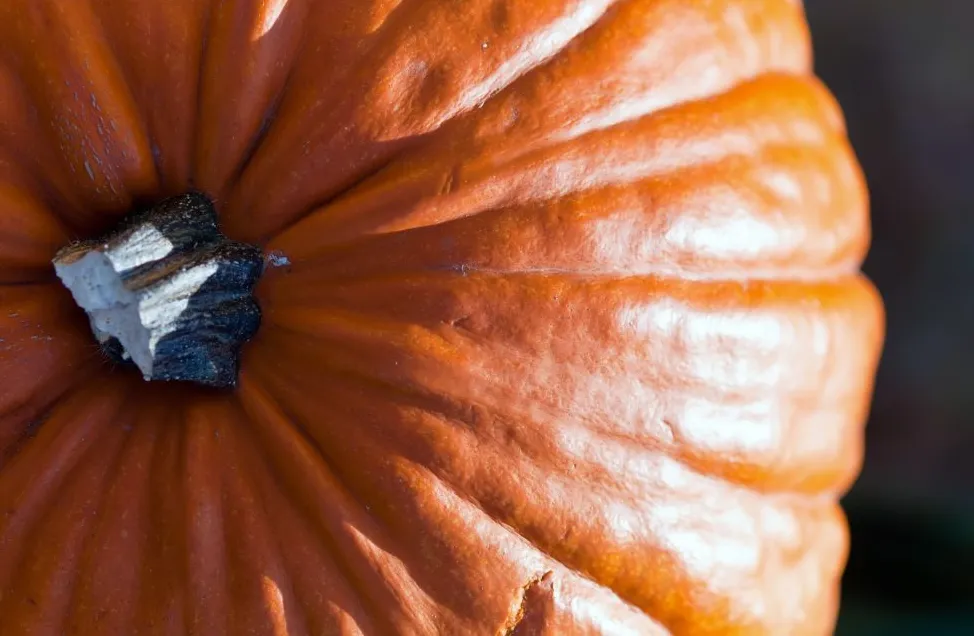
Pumpkin spice lattes, glowing jack-o’-lanterns, and Thanksgiving pies make pumpkins the undisputed unofficial mascots of autumn. Yet, behind their seasonal charm lies a fascinating and surprisingly complex story that winds through ancient agriculture, linguistics, cultural shifts, and even a bit of historical insult comedy. Far from being just a festive decoration, the pumpkin connects us to deep historical roots.
Experts note that our modern obsession with this humble gourd is tied less to its culinary flavor and more to a profound, nostalgic longing for simpler, rural times. Whether enjoying a seasonal beverage or decorating a front porch, people embrace these traditions to reconnect with timeless ideals of reverence for nature and community.
The Botanical and Linguistic Roots of the Pumpkin
The word "pumpkin" has always been more conceptual than strictly botanical. According to archaeobotanists, the term typically refers to squash varieties specifically bred to resemble the round, orange gourds we celebrate today. Linguists trace the evolution of the word from the ancient Greek pepon to the French pompon, eventually morphing into the English “pompion” in the 1500s before settling into the modern term we know and love.
While the terminology took a distinctly European path, the plant itself is deeply rooted in the Americas. Indigenous peoples across North, Central, and South America cultivated early pumpkin ancestors—domesticating different types of Cucurbita as far back as 10,000 years ago in Mexico. Long before European colonists arrived, these resilient plants were already a vital agricultural staple across the region.
From Ancient Staple to Cultural Symbol
As the centuries progressed, the cultural standing of the pumpkin experienced remarkable transformations:
- Agricultural Origins: Cultivated for millennia by Indigenous communities as a reliable food source.
- Historical Insults: By the late 1600s, the word briefly shifted into a verbal jab, used playfully or critically to describe someone conceited or empty-headed.
- Agrarian Revival: During the late 19th century, rapid industrialization led city-dwelling Americans to embrace the pumpkin as a romanticized symbol of pastoral life and simpler times.
How Pumpkins Are Supporting Modern Family Farms
Today, this rich cultural symbolism is actively working to support modern agriculture. Rather than serving purely as a dietary staple, pumpkins have become the centerpiece of vibrant seasonal attractions. Rural communities now welcome visitors to experience autumnal wonderlands, corn mazes, and pumpkin patches.
Ultimately, the enduring popularity of the pumpkin bridges the past and the present. The romantic myths and cherished traditions that communities celebrate each autumn are helping to rejuvenate the very thing they represent: the resilience and charm of the small family farm.