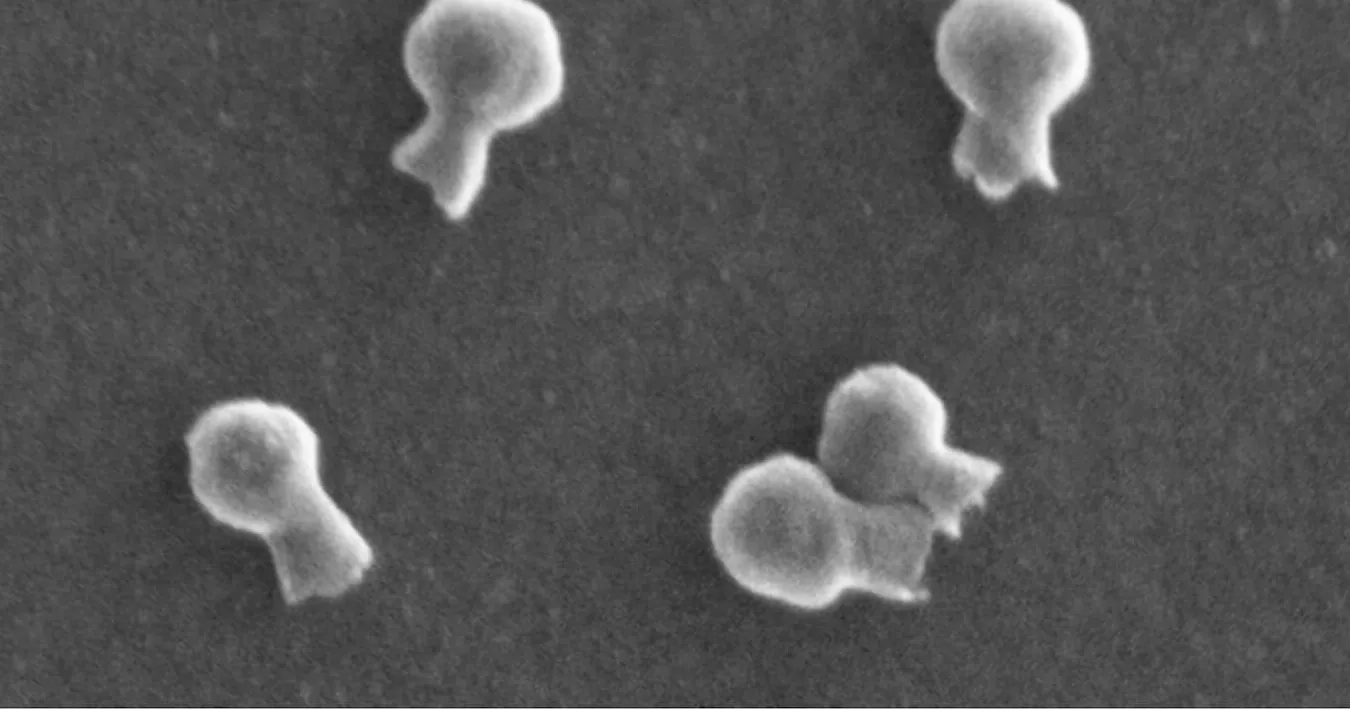
Medical science has taken a monumental leap forward with the development of microscopic robots designed to navigate the human body and deliver lifesaving treatments directly to the brain. Looking like miniature asymmetric balloons, these innovative bots offer a groundbreaking way to treat complex neurological disorders and aggressive diseases such as cancer, opening up entirely new possibilities for modern medicine.
Overcoming the Blood-Brain Barrier With Nanotech
The human brain is remarkably well-protected by several layers of defense, most notably the blood–brain barrier (BBB). While this safeguard is crucial for keeping out harmful invaders, it has historically presented one of the greatest challenges in pharmacology by also blocking vital medications. To overcome this obstacle, researchers have successfully engineered a nano-robotic system affectionately known as 'BrainBots.'
Led by a dedicated team of scientists, the research demonstrates that these tiny vehicles can successfully traverse the bloodstream and cross the formidable blood–brain barrier. In groundbreaking studies published in the scientific journal Science Robotics, light-powered BrainBots delivered approximately five times more medication to the brain than traditional intravenous injections, achieving remarkable results without disrupting the protective barrier.
How Light-Powered BrainBots Work
Measuring around 250 nanometers—hundreds of times smaller than the width of a human hair—these nanoscale marvels are built using biocompatible and biodegradable materials. Their operation relies on sophisticated engineering:
- Self-Propulsion: A specialized chamber is loaded with ammonium bicarbonate, a gas-generating fuel, and encapsulated with a temperature-sensitive gate.
- Activation: Near-infrared light directed through the skull generates localized heat, which melts the gate and triggers gas production to propel the bots forward.
- Targeted Binding: Equipped with specialized DNA molecules called aptamers, the BrainBots recognize and bind securely to the cells lining the BBB.
- Safe Degradation: Once inside the brain, the nanobot structure safely disintegrates, releasing its therapeutic payload and eventually biodegrading entirely.
Promising Results in Cancer Treatment and Beyond
In initial tests using mouse models of glioblastoma—the most common and challenging type of brain cancer—the BrainBots dramatically enhanced the delivery of doxorubicin, a powerful chemotherapy drug. This targeted approach successfully slowed tumor growth and prolonged survival while significantly reducing the systemic toxicity typically associated with conventional chemotherapy administration.
Building on previous successes in targeting bladder tumors with autonomous nanobots, the research team is optimistic about the future. While further studies are needed before human clinical trials can begin, this technology marks a transformative milestone in medical research.
"We targeted cancer, but there are a lot of neurological diseases, such as Parkinson’s, for example, that we hope could benefit from this technology," researchers shared. Future developments will focus on optimizing delivery efficiency as science continues moving toward a healthier, brighter future for neurological care.

Source: Good News Network