In a groundbreaking victory for global public health, a population-scale trial in Brazil has demonstrated that releasing beneficial bacteria-infected mosquitoes can dramatically curtail the spread of dangerous tropical diseases. Schoolchildren in the city of Belo Horizonte experienced a 68% lower risk of viral infections thanks to an innovative control program utilizing Wolbachia bacteria, offering an inspiring blueprint for disease prevention worldwide.
Key Takeaways from the Breakthrough Trial
- Significant Infection Reduction: Dengue cases dropped by 68.5% and chikungunya incidence fell by 73.3% in areas where modified mosquitoes were introduced.
- Long-Term Biological Solution: The Wolbachia bacteria blocks viruses inside the mosquito and naturally passes to subsequent generations, creating a self-sustaining defense mechanism.
- Proven Resilience: The trial succeeded even while overlapping with the largest dengue outbreak ever recorded in Brazil, proving its efficacy under intense transmission conditions.
- Global Scientific Collaboration: The study brought together international researchers to create a locally adapted solution with potential applications across tropical regions globally.
How Wolbachia Bacteria Stops Disease Transmission
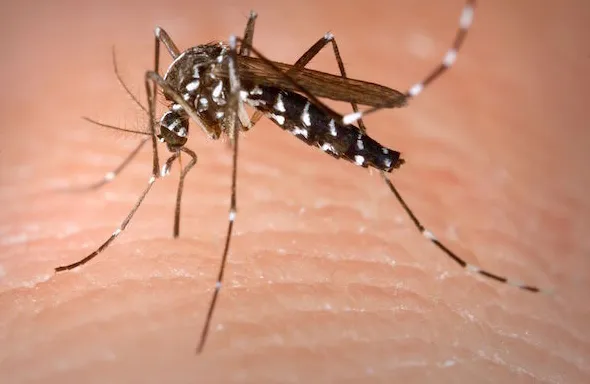
The innovative method relies on introducing the wMel strain of Wolbachia—a harmless natural bacterium originally isolated from fruit flies—into Aedes aegypti mosquitoes. When mosquitoes carry Wolbachia, the bacteria inhibits their biological ability to transmit viruses such as dengue, Zika, and chikungunya to humans.
Crucially, female mosquitoes carrying Wolbachia pass the bacteria down to their offspring. This generational transfer allows the protective strain to spread naturally throughout the local mosquito population over time, turning the insects from dangerous disease vectors into harmless community inhabitants without requiring chemical overuse.
Inside the EVITA Dengue Trial in Belo Horizonte
Known as the EVITA dengue trial, this rigorous randomized-controlled study evaluated a locally adapted wMel strain across 58 school-defined geographic clusters in Belo Horizonte. Half of the clusters received releases of Wolbachia-infected mosquitoes alongside standard control measures, while the remaining half relied solely on traditional methods such as insecticidal sprays and breeding site reduction.
Running from January 2021 through May 2022, the trial tracked 5,757 school children aged 6 to 11. Despite facing peak environmental challenges, the intervention demonstrated astounding success.
“The intervention substantially reduced dengue infections during Brazil’s largest recorded outbreak, demonstrating its potential to protect communities even under conditions of intense transmission,” noted Dr. Derek Cummings, co-principal investigator of the trial and professor at Johns Hopkins University.
A Global Blueprint for Sustainable Public Health
The remarkable results in Brazil mirror similar successful trials conducted across the globe, including a city-wide effort in Singapore that achieved near-identical reductions in dengue cases. Researchers note that Wolbachia technology is rapidly positioning itself as a primary, sustainable line of defense against mosquito-borne illness.
“We are pleased to have developed this locally adapted strain for the EVITA dengue trial and to achieve successful sustained establishment of the Wolbachia-infected mosquitoes for over 3 years,” shared Dr. Luciano Moreira of Fiocruz and the World Mosquito Program in Brazil.
This landmark trial was made possible by an international coalition of experts from institutions including the World Mosquito Program, Fiocruz, Universidade Federal de Minas Gerais, FAMERP, Johns Hopkins University, Emory University, Yale University, and the University of Florida. Together, their efforts point toward a brighter, healthier future for communities across the tropics.

Source: Good News Network