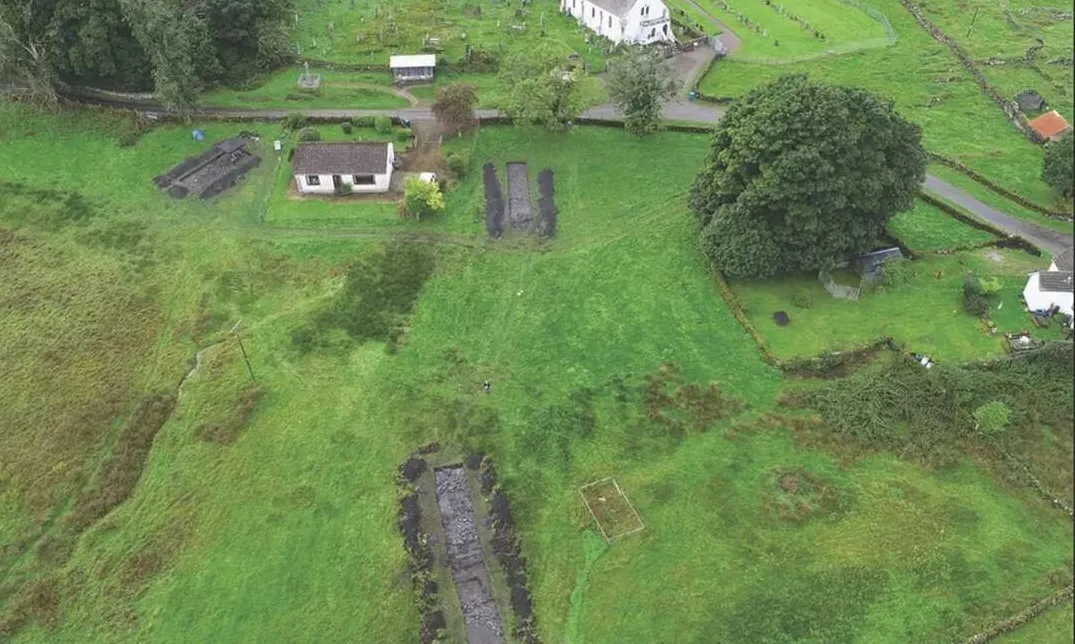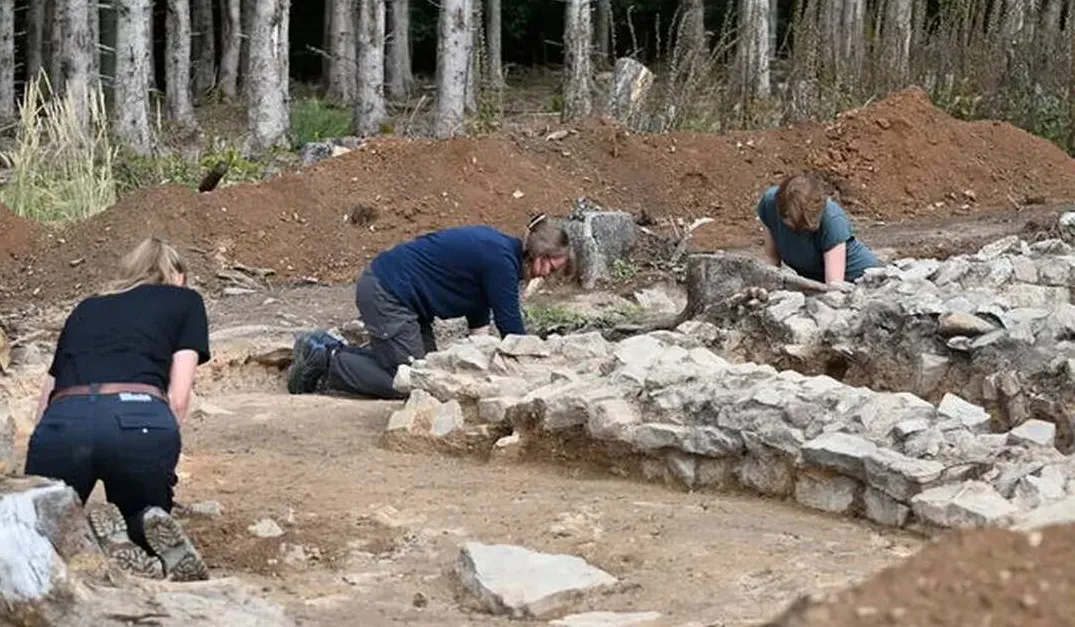
Deep within the peaceful forests of Germany, just north of Frankfurt, an extraordinary archaeological discovery has brought the ancient Roman Empire back to life. Resting a mere few inches beneath the undisturbed woodland soil, experts have uncovered the extensive floorplans of a Roman temple, a bustling military camp, and a thriving craft center. This pristine site offers a rare, beautifully preserved window into daily life along one of Rome's most strategic historical frontiers.
Uncovering Ancient History Along the Limes
Since 2024, dedicated Hessian state archaeologists, working alongside researchers from the University of Frankfurt, have focused their excavations on Kapersburg—a historic Roman fort nestled in the picturesque foothills of the eastern Taunus Mountains. This remarkable location sits directly along the Upper Germanic-Rhaetian Limes, a 342-mile fortified border that once stretched from the Rhine to the Danube, marking the northernmost edge of Roman military and cultural influence. Recognized as a UNESCO World Heritage Site in 2005, the region continues to yield fascinating historical treasures.
What makes the Kapersburg excavation truly special is the exceptional condition of the artifacts and layers beneath the trees. Because the area has remained untouched by modern agriculture, the forest has acted as a natural time capsule.
- Unmatched Preservation: Protective forest layers have kept ancient structures safe from the disruptions of farming over the centuries.
- Untouched Strata: Archaeologists are finding delicate historical layers that usually vanish entirely at other excavated sites.
- Vibrant Community Insights: The dig reveals not just military might, but the complex civilian life that supported the garrison.
Inside the Roman Vicus and the Temple of Mars
Recently, the archaeological team turned their attention to the camp's vicus—the vibrant civilian settlement where troops and their supporters lived. Within this area, researchers successfully mapped out living spaces, active craft centers, and a fascinating rectangular temple measuring roughly 16 feet in length.
At the heart of the temple lies a smaller, three-walled sanctuary where ancient worship took place. Inscriptions discovered within the sacred space explicitly reference Mars, the Roman god of war. Furthermore, delicate fragments of a statue depicting Victoria—the Roman goddess of victory, complete with outstretched wings and a laurel wreath—were recovered from the site. Historically, Mars and Victoria were frequently worshiped together, holding immense significance for Roman military units seeking protection and success in their endeavors.
A Legacy Preserved for the Future
The newly discovered temple highlights the impressive longevity of Kapersburg. Originally established during the reign of Emperor Trajan or Hadrian, the frontier outpost stood strong for roughly 150 years, largely defended by a dedicated military unit known as the "Numerus Nidensium." Alongside the military fortifications, the team uncovered fascinating evidence of vibrant local industries, including a fully functional blacksmith's shop and later residential redevelopments that demonstrate how the settlement evolved before its eventual abandonment in the third century.
This breathtaking discovery bridges the gap between ancient history and the modern world, reminding us of the rich, interconnected stories resting just beneath our feet in nature's quietest corners.