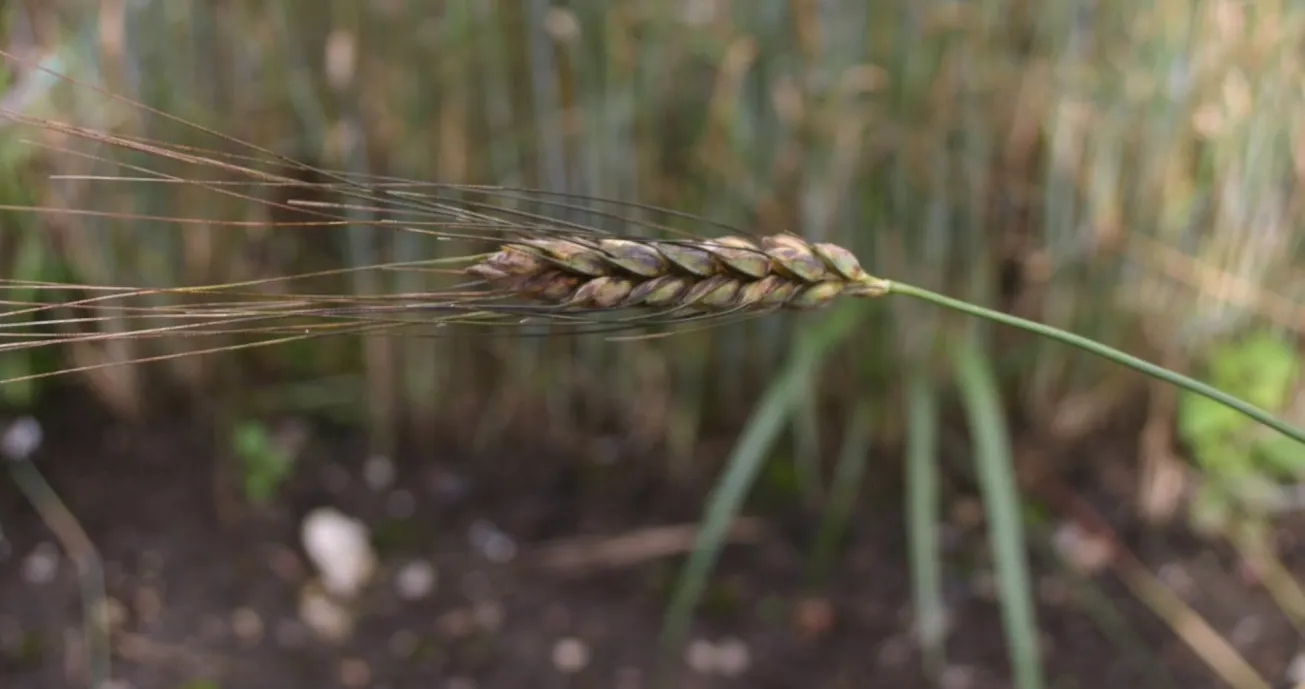
From the sun-soaked plains of Parma comes an inspiring story of agricultural resurrection. Italian farmer Claudio Grossi recently stumbled upon a forgotten cache of shriveled wheat seeds hidden away in his attic, unknowingly sparking a revival that could hold profound implications for the future of our global food system.
Initially doubting whether the decades-old seeds would ever sprout, Grossi tossed them into a pile of manure simply out of curiosity. When the growing season arrived, however, he witnessed something extraordinary. The mysterious seeds grew into an ancient variety of wheat that completely towered over his commercially-raised crops. Even more astonishingly, instead of producing a single ear of grain per stalk like modern wheat, these heritage seeds sprouted seven distinct ears.
Unlocking an Ancient Agricultural Mystery
The unique formation—one tall central ear surrounded by six smaller, colorful thin ears—puzzled Grossi, who had spent his entire life farming wheat. Unable to find any answers in modern agricultural manuals, he found a remarkable clue by chance while reading the Bible in church one Sunday. A passage in the Book of Genesis described a strikingly similar phenomenon: “And behold, seven ears of grain came up upon one stalk, rank and good.”
Scientists at the University of Parma later identified the crop as Triticum turgidum convar. compositum, an ancient form of wheat originally cultivated along the Mediterranean in countries like Türkiye and Egypt. The heritage grain had been preserved by Grossi's great-grandfather after purchasing the family farm in 1915.
- Historical Decline: Commercial production of this grain waned during the 20th century because its impressive height made it vulnerable to strong winds and heavy rains.
- Baking Qualities: Flour made from this ancient wheat requires specialized preparation methods as it does not leaven in the same way as modern commercial varieties.
- Natural Resilience: The tall, hardy stalks naturally outgrow weeds, demonstrate impressive drought resistance, and require significantly less fertilizer.
Why Ancient Grains Matter for Modern Food Security
Experts in agricultural biodiversity emphasize that the world urgently needs more resilient crops like T. turgidum. Having evolved naturally over generations without the aid of heavy agrochemicals, these ancient plants carry invaluable genetic traits capable of withstanding extreme weather.
Today, Grossi proudly calls his discovery “Miracle Wheat.” The flour is currently sold in local markets for baking nutrient-dense breads and pastries packed with essential vitamins and minerals, including iron, phosphorus, and lysine. Furthermore, Grossi has pioneered innovative companion-planting techniques—such as growing smaller grain varieties between the tall stalks—to help support the plants against severe weather.
As climate patterns continue to shift, particularly across southern Europe, the preservation and cultivation of such hardy heritage grains offer a beacon of hope for building a more sustainable and resilient agricultural future.

Source: Good News Network