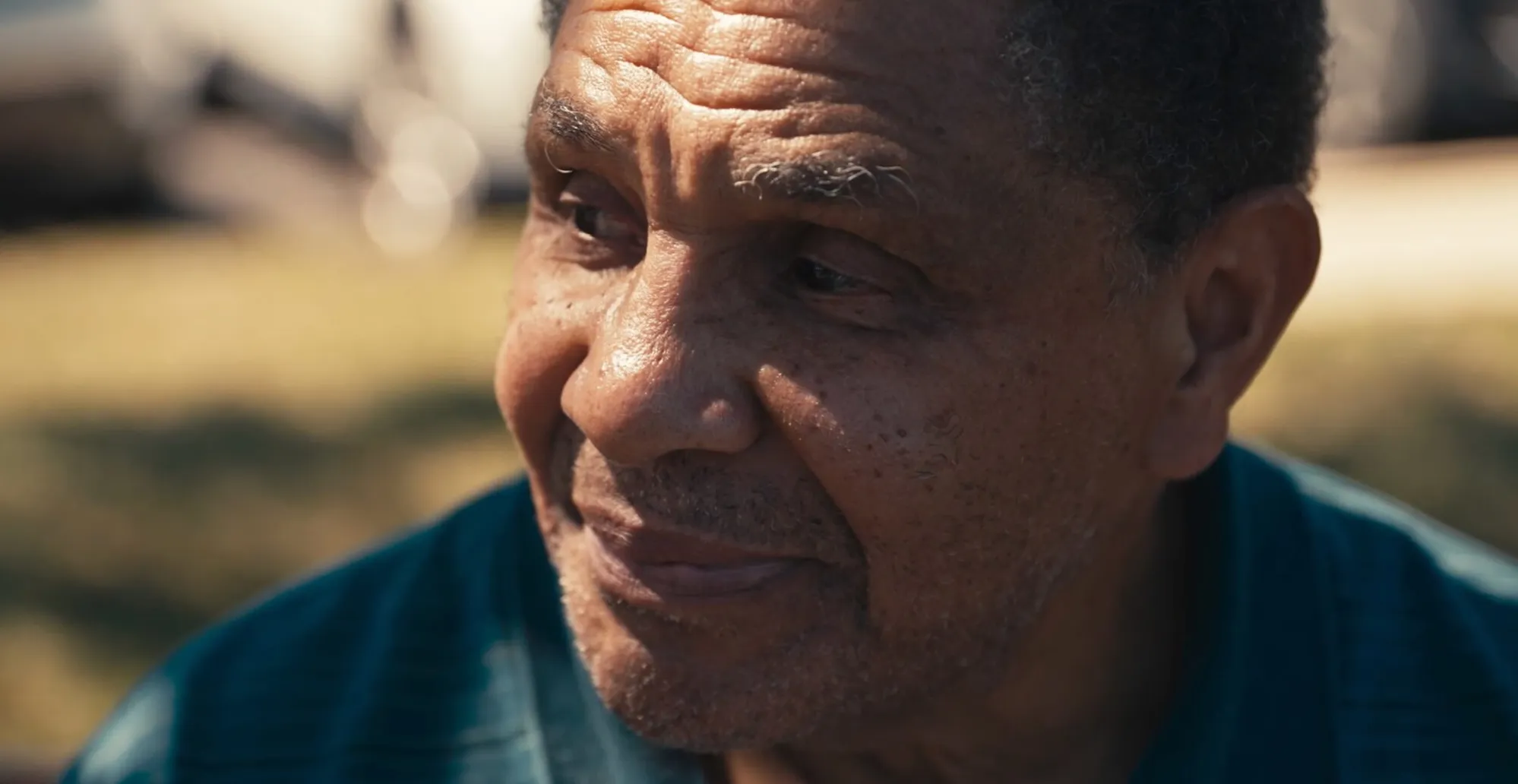
Freddie Nole and his wife Sue have turned a simple act of kindness into a lifeline for people emerging from prison. Each morning they wait at the gates, ready to greet a stranger with a warm smile, a hot meal, fresh clothing, a working phone, and a ride to the next chapter of life. Their presence transforms a moment that could feel isolating into a powerful affirmation of humanity.
Freddie Nole’s Prison Reentry Support
When a former inmate steps out of the gates, often there is no family or friend waiting. Nole steps in, offering a friendly face and practical help. “The appreciation they show for just being there, at a time when they’re most vulnerable,” he says, captures the heart of his work. By simply showing up, he provides the emotional anchor that many newly released individuals desperately need.
His own experience fuels his empathy. Nole entered prison in 1969, during a turbulent era in American history. Upon his release, he found himself in a world that felt foreign and intimidating. He spent his first night of freedom at a parole office, walking on “pins and needles,” and struggled with basic tasks like choosing a piece of toast. Those memories drive his commitment to make the first day out as gentle as possible for others.
Beyond the immediate logistics, Nole and Sue strive to restore dignity. A new set of clothes can replace the uniform that has defined a person for years; a phone reconnects them with the outside world; a simple conversation reminds them that they are seen and valued. These gestures, though modest, lay the foundation for confidence and self‑respect.
A Day in the Life of Reentry Assistance
The short documentary follows Nole for a single day as he picks up a man leaving a Pennsylvania prison. The film reveals how even the smallest choices—selecting a piece of toast, receiving a new phone, holding a wallet—restore dignity that years of confinement have stripped away. Viewers see the quiet moments of laughter, the nervous glances, and the relief that comes when a stranger offers a genuine smile.
Throughout the journey, Nole emphasizes that those who have been incarcerated are often the best guides for newcomers. “Those who were confined are the best teachers for those coming out,” he explains, noting that one man he once helped now assists others in the same way. This peer‑to‑peer support creates a ripple effect, turning former inmates into mentors and community builders.
The filmmaker, known for stories about repairing the world, chose to focus the narrative on a single day because it provides a clear, intimate window into the challenges of reentry. By limiting the scope, the film highlights the profound impact of consistent, compassionate presence without overwhelming the audience with statistics.
Hope, Redemption, and Community Impact
The documentary deliberately holds back Nole’s personal backstory until the final moments, choosing instead to lead with the man he is today. This narrative decision underscores a universal truth: people can change, and society benefits when we give them space to grow. “We all want to think we can have redemption, that we can have second chances,” the filmmaker notes, underscoring the film’s hopeful core.
Since filming concluded, Nole and Sue have assisted more than one hundred individuals, helping each navigate the complexities of freedom—from finding housing to securing employment. Their perseverance paid off when Nole secured a stable job at a national retailer after nearly seven years of searching. This breakthrough illustrates how second‑chance opportunities can transform lives and inspire others to follow suit.
Community leaders and employers watching the film have expressed a desire to replicate this model, recognizing that supportive reentry programs reduce recidivism and strengthen neighborhoods. By showcasing tangible examples of success, the documentary serves as both inspiration and a practical guide for anyone looking to make a difference.
- Key Takeaways
- Personal presence can dramatically ease the transition from prison to society.
- Small gestures—clothing, a phone, a meal—restore dignity and confidence.
- Formerly incarcerated individuals often become the most effective mentors for newcomers.
- Employers who offer second‑chance opportunities create ripple effects of stability and hope.
- Documenting real stories amplifies the message of redemption and encourages community action.
Source: Good News Network