Tonight and tomorrow night the night sky will be graced by a spectacular celestial event: the first of three consecutive supermoons, known as the Beaver Moon. This luminous full moon offers a perfect excuse to step outside, breathe crisp autumn air, and marvel at the universe’s rhythmic dance.
When and Where to See the Beaver Supermoon
The peak brightness of the Beaver Moon occurs at 9:40 a.m. Eastern Time on Tuesday, but the moon will be visible and striking from early twilight onward. For the most dramatic view, position yourself toward the eastern horizon just after sunset. The moon will rise low, allowing surrounding trees, rooftops, and distant hills to create an optical illusion that makes the moon appear larger than usual.
Dress warmly, bring a thermos of hot tea, and choose an open field or a quiet park free from tall structures that might block the view. Even if clouds drift across, the moon’s silvery glow often pierces through, offering brief moments of awe.
Cultural Stories Behind the November Moon
Across North America, Indigenous peoples have long honored the November full moon with names that reflect the season’s rhythms. The Dakota and Lakota call it the Deer Rutting Moon, marking the time when deer engage in their mating rituals. The Cree refer to it as the Frost Moon, a nod to the first hard freezes that coat the landscape. The Tlingit name it the Digging or Scratching Moon, inspired by animals searching the frozen earth for nourishment.
European settlers later dubbed this phase the Beaver Moon, recognizing that beavers were busy gathering food for their winter dens. These varied traditions remind us that the moon has always been a shared calendar, guiding communities in hunting, gathering, and storytelling.
Why Supermoons Matter
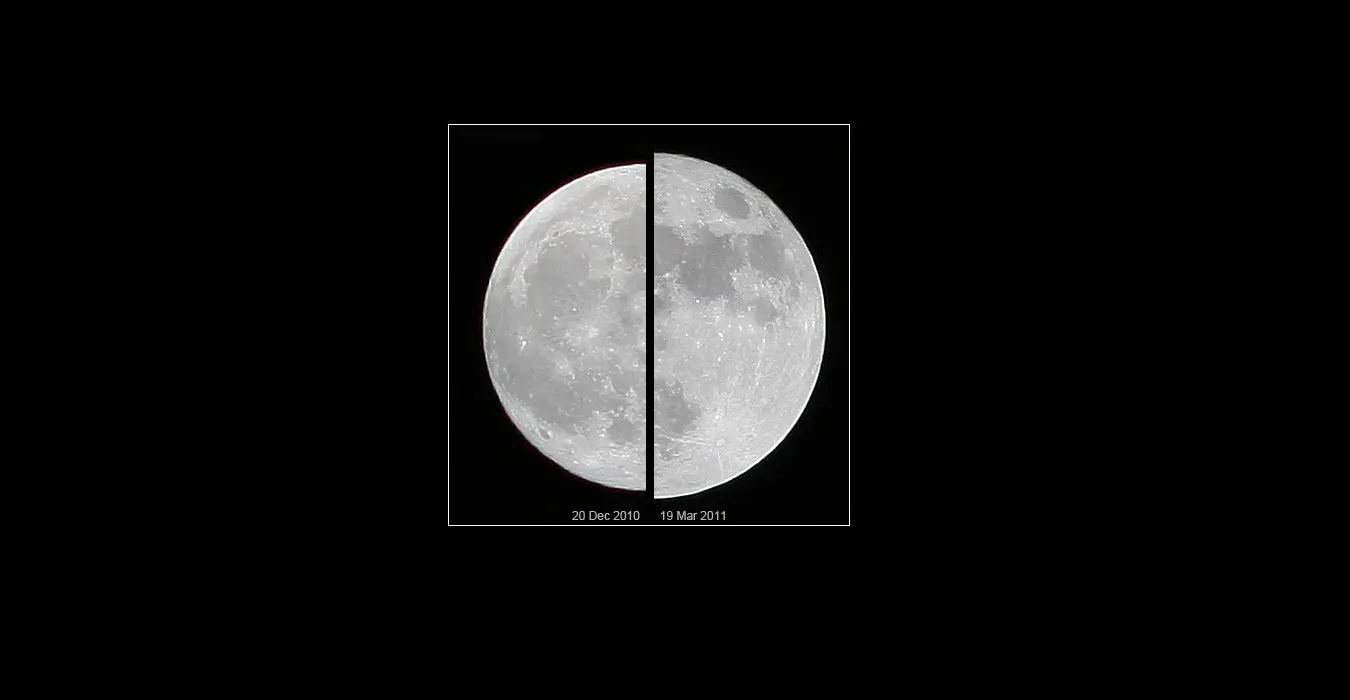
A supermoon occurs when the moon reaches perigee—the point in its elliptical orbit closest to Earth. At perigee, the moon can appear up to 14% larger and 30% brighter than when it is at apogee, the farthest point (often called a micromoon). While the size difference is subtle to the naked eye, the psychological impact of a brighter night sky can lift spirits and inspire curiosity.
This November supermoon begins a trio that continues with December’s Cold Moon and January’s Wolf Moon, each offering its own unique perigee moments. The December moon will be the most pronounced of the three, while the January Wolf Moon will close the series with its own luminous display.
Tips for Making the Most of Your Moon‑Gazing Night
- Plan Ahead: Check local weather forecasts and find a dark‑sky location away from city lights.
- Bring a Camera: Even a smartphone can capture the moon’s glow; use a tripod for steady shots.
- Stay Warm: Layer clothing, wear insulated gloves, and keep a blanket handy.
- Engage the Senses: Listen to the quiet rustle of leaves, inhale the crisp air, and let the moon’s light guide a moment of reflection.
- Share the Wonder: Invite friends or family to join, fostering a communal appreciation of the night sky.
Whether you are an avid astronomer or a casual stargazer, the Beaver Supermoon offers a gentle reminder of nature’s cycles and the beauty that persists even as days grow shorter.

Source: Good News Network