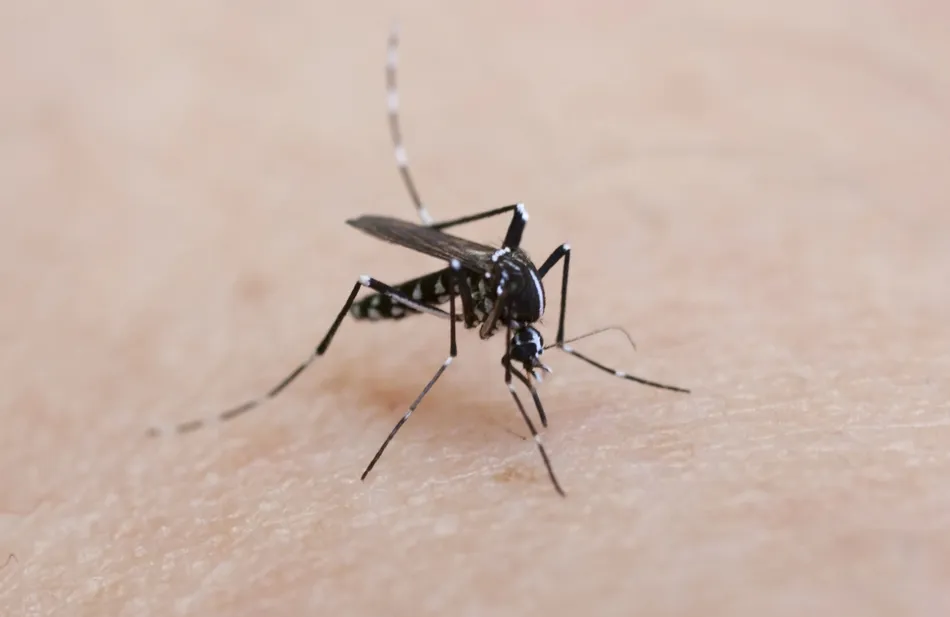
In an innovative push to protect public health and manage vector-borne diseases, Portugal has successfully released 30,000 sterile male mosquitoes in Lisbon. This deployment, concluding a recent phase in the Alvalade neighborhood, brings the total number of sterile mosquitoes released across the country to 60,000. The primary target of this initiative is the Asian tiger mosquito (Aedes albopictus), an invasive species capable of transmitting dangerous pathogens such as dengue, Zika, and yellow fever.
The Science of Sterile Insect Technique
The strategy relies on a clever biological mechanism: male mosquitoes do not bite or feed on blood—only females do, and solely to obtain nutrients for egg development. Males exist purely to mate, which forms the foundation of the Sterile Insect Technique (SIT).
By flooding a wild population with sterile males, researchers create intense competition with fertile wild males. Any female that mates with a sterile male produces no offspring. Because this approach does not rely on harsh pesticides or genetic modification, it offers a sustainable and environmentally friendly way to curb reproduction rates over time. While SIT has a long, proven track record in agricultural pest control, applying it to disease-carrying mosquitoes in bustling European cities represents an exciting frontier in urban health.
Tracking Dispersal and Survival
Rather than aiming for immediate population eradication, researchers are currently focused on vital baseline questions: How far do the released mosquitoes travel? How long do they survive in an urban ecosystem?
- Urban Competition: Released insects must effectively compete for territory and mates with established wild populations.
- Future Trials: If dispersal and survival data meet expectations, the next phase will launch a comparative study to measure reproduction rates in treated areas versus conventionally managed zones.
- Habitat Management: Experts emphasize that biological interventions work best when combined with traditional methods, such as removing standing water to eliminate local breeding grounds.
Core Takeaways for Urban Pest Management
The initiative highlights how modern cities can adopt sophisticated, eco-friendly strategies to safeguard residents. The disease risk associated with Aedes albopictus depends entirely on a transmission chain—where a mosquito acquires a pathogen from one person and passes it to another. By significantly reducing the overall mosquito population, cities like Lisbon can effectively break this chain, creating safer and healthier communities for everyone.